War is a grim subject, and war writing comes from painful and angry places, but all my opportunities to meet and converse with modern war writers in person have been fun, laugh-filled events that defy super-seriousness. Below is some of the “ocular proof,” as Othello put it. Only Hassan Blasim seems able to resist what must be an American impulse to smile for the camera, but I can attest that in conversation Blasim doesn’t miss many chances to put things in humorous perspective. Thanks for the good writing so far, everyone, and to more good times and more great writing to come.
Hassan BlasimBenjamin BuschSiobhan FallonElyse FentonPhil KlayBrandon WillittsMaurice Decaul and Alex MalloryColin and Lauren HalloranMariette Kalinowski and Siobhan FallonSiobhan Fallon and Andria WilliamsPhil Klay and Hassan BlasimBrian Turner and Benjamin BuschJoydeep Roy-Bhattacharya, Phil Klay, and Roy ScrantonMatt Gallagher, Andrew Slater, and Fred MarchantBrian Turner, Elyse Fenton, and Jeremy Stainthorp-BerggrenAdrian Bonenberger, Roxana Robinson, David Abrams, and Matt GallagherMatt Gallagher, Siobhan Fallon, Brandon Willitts, and Mariette KalinowskiRon Capps, Kayla Williams, Colin Halloran, meBrandon Willitts, Masha Hamilton, Phil Klay, and Maxwell Neely-CohenBrandon Willitts, Matt Gallagher, me, Teresa Fazio, and Paul Wolfe. Photo by Kelly Shetron, used by permission of Words After War.Brian Turner, Matt Gallagher, the performance poet Rives, and a few of their fansNathan Bethea, Eric Nelson, Adrian Bonenberger, Brandon Willitts, Mariette Kalinowski, Vic Zlatanovic, Lisbeth Prifogle, me, Jacob SotakBrian Turner, Benjamin Busch, and Siobhan Fallon, along with Adrienne de la Feunte, Joanna Priwieziencew, Roman Baca, Chloe Slade, and Paige Grimard of Exit 12 dance company
All photos taken by me, my wife Sang Hui, or with our cameras, with one exception: the picture of Brandon Willitts, Matt Gallagher, Teresa Fazio, and Paul Wolfe. This picture I downloaded from the Words After War Facebook page and somehow filed in our personal gallery. My intent was to use only pictures that we had taken, but it is too good not to include.
For all those contemplating or currently writing memoir, fiction, or poetry about war in Iraq or Afghanistan and its aftermath, I’ve listed twenty events or ways of describing events that I’ve encountered at least twice in published contemporary war writing. Not to say new writers should avoid writing about these subjects, too, but some very good authors have already done so, so the onus is now on newcomers to make their depictions fresh and vivid.
1. Deciding whether to shoot or not shoot while serving as a vehicle gunner or on checkpoint duty. This excruciating experience is the centerpiece of many Iraq and Afghanistan stories, such as Mariette Kalinowski’s “The Train” from the Fire and Forget anthology, Jesse Goolsby’s novel I’d Walk With My Friends If I Could Find Them, and, of course, many scenes in the movie version of American Sniper.
2. Claim that a soldier doesn’t care about politics or grand strategy, because all that is important is survival and the good regard of one’s fellow soldiers. No doubt true, but neither a brilliant nor original insight at this point.
3. The first US casualty or the death or injury of a child that “brings home the reality of war.” It’s actually hard to find a war story that doesn’t contain some version of these two signature events, so the problem becomes discovering new language and perspectives with which to relate them.
4. Death or injury to an important character by a stray mortar round that hits inside FOB walls. See Helen Benedict’s Sand Queen, David Abrams’ Fobbit, and Kevin Powers’ The Yellow Birds. Brian Van Reet’s “Big Two-Hearted Hunting Creek” (in the Fire and Forget anthology) has an interesting variation on the theme–a suicide bomber infiltrates a FOB and blows himself up in the presence of the story’s main characters.
5. Military funeral services, with first sergeant calling the roll, salute battery firing, the playing of taps, etc. The best fictional portrait of these moving ceremonies is David Abrams’ “Roll Call,” which can be found in Fire and Forget. Brian Castner describes an interesting variation on the ceremony in his memoir The Long Walk. The most moving description I’ve read of a “hero flight” processional—the movement of a dead soldier’s remains from FOB mortuary to a waiting aircraft—is in Afghan-American interpreter Saima Wahib’s memoir In My Father’s Country.
6. A charismatic-but-(possibly)-Satanic sergeant who dominates the life of a junior enlisted soldier. See Kevin Powers’ The Yellow Birds and Ben Fountain’s Billy Lynn’s Long Halftime Walk for examples par excellence. See also Philip Metres’ poem “The Blues of Lynndie England” in Sand Opera and check out Michael Pitre’s Fives and Twenty-Fives for a portrait of a charismatic female sergeant and Cara Hoffman’s Be Safe, I Love You for a kick-ass female NCO in theater whose life goes off the rails back in the States.
7. Describing poverty and squalor in Iraq and Afghanistan as “unlike anything we can imagine in the United States.” Subset: calling conditions in Afghanistan “medieval.” OK, got it, now tell us something we don’t know using language we haven’t heard before. Related: Describing combat as like being in a slow-motion and long-lasting car accident. Two great writers, Ben Fountain in Billy Lynn’ Long Halftime Walk and Kevin Powers in The Yellow Birds have already used this figure-of-speech, so the rest of us should “steer” clear, to make a pun.
8. Enlisted soldier tough talk with lots of cursing, sexual reference, slang, and military lingo. To show a grunt’s apprehension of the futility of war and the rough love with which male soldiers treat other, while certifying the author’s credibility as a military insider, while also trying to inject color and humor into the story being told: almost every war story ever written by a man. When directed by male soldiers at female soldiers or a foreign citizen to show the callousness of macho military culture: Joydeep Roy-Battacharya’s The Watch and Helen Benedict’s Sand Queen.
9. Stories and poems that depend almost entirely on punch-drunk reveries and litanies of military jargon and nomenclature. Paul Wasserman’s poem “Fifteen Months, Twenty-two Days” and Phil Klay’s story “OIF” have covered this ground quite nicely already.
10. Communication from the front with loved ones at home through Skype, email, or satellite phones, particularly when the call is interrupted by incoming mortar rounds or rockets or revolve around missing birthdays, graduations, and anniversaries. After American Sniper, the movie, in which the Chris Kyle character makes sat calls to his wife in between sniper shots, no more please.
11. Contempt for a stupid order, pointless mission, or idiotic member of the chain-of-command. This dynamic drives almost every war story and memoir ever written, but it’s more interesting when the antagonism is understated or couched in terms that aren’t so self-righteously vindictive.
12. Homely scenes of soldiers opening “any soldier” care packages, as well as those showing soldiers trading MRE components and devising new recipes out of curious combinations of ingredients. David Abrams’ Fobbit takes the cake for portraying care package soldier folkways, while scenes that portray the repurposing and individualizing of MREs are too many to count.
13. Shooting stray dogs in theater, or being forced by a by-the-book first sergeant or company commander to give up a pet dog adopted by a unit or individual. In regard to the first, Phil Klay’s “Redeployment” does as much with this common experience as could possibly be done, thank you very much. Joydeep Roy-Bhattacharya’s The Watch contains an interesting turn on the scenario, in which US soldiers almost shoot their pet when it interferes with a mission. Saima Wahab’s anecdote in her memoir In My Father’s Country about the pet dog she kept while stationed in Jalalabad is stranger than anything I’ve encountered in fiction.
14. Malaria pill dreams. See several great poems in Brian Turner’s Here, Bullet and passages in Adrian Bonenburger’s memoir Afghan Post.
15. References to high-brow literature that a soldier reads while at war. These pop up all the time, as if to signify the modern warrior-author is no common, under-educated grunt, but an intrepid reader whose search for wisdom equals his or her thirst to live intensely. Lea Carpenter’s description of Navy SEAL reading habits in Eleven Days is a pretty good example of the motif. Roy Scranton, in his story in Fire and Forget titled “Red Steel India,” has a soldier on a FOB reading Noam Chomsky, so if I read now about characters who have only brought Shakespeare or Tolstoy to war with them, I’m not so impressed.
16. Analogies to classical Greek literature, history, and myth. Can we give Sparta, Achilles, Odysseus, Penelope, Ajax, Philoctetes, Antigone, Homer, Thucydides, and Sophocles a rest? Or, here’s a different idea: We bland, reason-bound Americans, who hate history and whose imaginations are fired mostly by Hollywood, aren’t anything like the passionate, excitable, mystically-minded characters, bound by family pride and tribal allegiances and historical remembrance, and intense codes of honor, reward, punishment, feud, and vengeance, and possessed by strange attitudes about violence and lust and cosmic connection, who populate Homer and the Greek roster of gods. I can’t speak about Iraq, but it seems to me that if we want to bring the literature and myth of classical Greece forward 2500 years, the best use of it would be to help us understand the exotic worldview of Afghanistan Pashtuns.
17. The long plane ride home from theater, with a sadder-but-wiser veteran contemplating all that’s happened and what might take place in the future. Brian Turner’s “Night in Blue” from Here, Bullet and Roxana Robinson’s Sparta have already set high standards depicting this veteran rite-of-passage.
18. Homecoming ceremony on the airfield tarmac or unit parade ground reuniting returning veterans with loved ones. It’s hard to top Siobhan Fallon’s depiction in the title story of You Know When the Men Are Gone or Phil Klay’s in the title story of Redeployment, but the best extended description, in my opinion, appears in Roxana Robinson’s Sparta.
19. Descriptions of how a veteran upon return home reaches for the weapon he or she carried throughout deployment. I’ve lost track of how many times I’ve read this. Also, veterans who jump when a car backfires or insist on facing the door of a restaurant or bar or who succumb easily to road rage. No mas, por favor–do cars even backfire any more?
20. Veterans who just don’t want to talk about it (but who often do anyway): Every story so far about redeployment.
I personally experienced 19 of the 20 events I’ve listed above, or variations on them, during my deployment and upon return (no malaria pill dreams for me), so I’m not insensitive or naïve about what they mean in the lives of real soldiers, sailors, Marines, and airmen. But lived life and writing about war are two different things, and in writing the imperative is to “make it new.” Some might disagree—a smart young writer-buck might pack all 20 of the motifs I’ve named into one super-story that then becomes more popular than American Sniper:
Specialist Jones, from his position as rear gunner in the last vehicle in an American army convoy in Iraq, saw a white Toyota rushing toward him and now had to decide whether to shoot or not. A common grunt, Specialist Jones didn’t care about politics or strategy, all he cared about was surviving the war and not letting down the guys in his unit. The deployment had been an easy one until Sergeant Smith had been killed when a lucky mortar round fired by insurgents impacted inside the FOB. Sergeant Smith’s death had brought the reality of the war home to Specialist Jones and the memorial service for him—especially when first sergeant had called the roll and taps were played–was the most emotional event Specialist Jones had ever experienced. If it hadn’t been for his platoon sergeant, Sergeant First Class Williams, kicking his ass, Specialist Jones didn’t think he would have made it. The squalor in Iraq was unlike anything he could have imagined in the States and combat like a succession of slow-moving car crashes.
“Screw that frickin’ Hadji,” Specialist Jones cursed under his breath, “He picked the wrong mofo to mess with.” High up in the gunner’s turret of his MRAP, he charged his M2 .50cal, cycled through the ROE in his mind, and considered whether the Toyota was on the BOLO list, the driver a MAM or not, and whether the car might be an SVBIED.
When the mortar round that killed Sergeant Smith had exploded, Specialist Jones had been talking on the phone to his wife and he had had to quickly make an excuse there was construction going on outside his tent. Now they were on another stupid mission that would accomplish nothing except make the idiot lieutenant look good in the eyes of the motherhumpin’ captain. Specialist Jones took one more bite of MRE spaghetti-and-meatballs mixed with M&Ms and spiced up with Texas Pete Hot Sauce he had found in an any-soldier care package and took aim at the onrushing Toyota. The thing that really had pissed him off most, frankly, more than even Sergeant Smith’s death and the speeding Toyota, was that the by-the-book sergeant major had shot his pet mutt Screwball in the name of unit discipline and camp hygiene. In Specialist Jones’ last malaria pill dream, Screwball had appeared as Argos, the dog who guarded the Greek warrior Ulysses’ home for nine years while Ulysses was at war, which Specialist Jones had read about in the copy of The Odyssey stored under his bunk.
Later, on the long plane ride home, Specialist Jones stared out the window and wondered whether destroying the Toyota had been the right thing to do and whether it would affect him for the rest of his life. Standing on the tarmac in the unit’s homecoming ceremony, he scanned the crowd for his wife and when the ceremony was over he ran to hug her. Later, he turned in the M4 that he had carried for a year in Iraq; for days afterward he would find himself reaching for his rifle and feeling a moment of panic that he had lost it, until he remembered it was secured in the unit arms room. He noticed other things, too, such as how he jumped when he heard a car backfire or how irritated he became when a car came too close to him on the highway. Relaxing was impossible–when he went out to dinner, for example, he insisted on facing the door of the restaurant and scanned the room for threats when he should have been paying attention to his wife. She asked him about things that happened in Iraq, but at first he didn’t want to talk about it. Later, though, he opened up.
For me, though, the most interesting war writers are those who say new things, or old things in new ways. Part of what makes Brian Turner great is that he was the first to portray artistically many of what have become the commonplace scenes and images of war literature, and how he now seems determined to push beyond them as far as he possibly can. Benjamin Busch’s memoir Dust-to-Dust takes the prize for the most determined effort to write about war without succumbing to subjects, ideas, and mannerisms that have been used before. One thing I appreciate greatly about Katey Schultz’s Flashes of War is how, fluidly Schultz, who never served, finds so many ways to tell war stories that avoid regurgitating obvious subjects and scenes. The beauty of Phil Klay’s Redeployment lies in how Klay takes popular war writing tropes and repackages them using irony, perspective, and humor—Klay’s not an unwitting user of tried-and-somewhat-true war story motifs, but a self-aware deployer and interrogator of them.
Below are ten articles on contemporary war literature published in reputable mainstream press venues in the last two years. Some are by veterans, one is by a non-veteran author of fiction, and the rest are by critics and in-house book-reviewers, but all in my mind are major statements in regard to the imaginative literature written by Americans about the wars in Iraq and Afghanistan. I’ve listed them in chronological order, added a few notes and a quotation from each, and offered a few overarching comments at the end.
1. Brian Van Reet, “A Problematic Genre: The Kill Memoir,”New York Times. Van Reet asserts the superiority of war fiction over the glut of memoirs by service members a little too proud of the lives they took in Iraq and Afghanistan. Specifically praising David Abrams’ Fobbit and Kevin Powers’ The Yellow Birds, Van Reet writes, “Though they are fictional, they read, in my mind, like more accurate depictions of the totality of what happened in Iraq than any of the supposedly factual accounts I have mentioned.” July 16, 2013.
2. Ryan Bubalo, “Danger Close: The Iraq War in American Fiction,”Los Angeles Review of Books. Bubalo calls Billy Lynn’s Long Halftime Walk “the best of them,” and proposes a means of understanding the genre’s achievement as a whole: “In fact, the most striking similarity of these fictions is their overarching orientation toward the war. These are writers of different backgrounds and abilities, writing different types of war tales that independently confirm our national sense of the Iraq War as a great folly.” December 25, 2013.
3. Phil Klay, “After War, a Failure of Imagination,”New York Times. Klay asserts that it is an ethical imperative for both veteran authors and civilian audiences to understand war imaginatively. “To enter into that commonality of consciousness, though, veterans need an audience that is both receptive and critical,” Klay writes, “Believing war is beyond words is an abrogation of responsibility — it lets civilians off the hook from trying to understand, and veterans off the hook from needing to explain.” February 8, 2014.
4. George Packer, “Home Fires: How Soldiers Write Their Wars,”The New Yorker. Packer surveys fiction, poetry, and memoir written by veteran and offers the following categorical assessment: “Their work lacks context, but it gets closer to the lived experience of war than almost any journalism. It deals in particulars, which is where the heightened alertness of combatants has to remain, and it’s more likely to notice things.” Packer singles out Brian Turner’s poem “Al-A’imaa Bridge” and Phil Klay’s Redeployment, especially the story “Prayer in the Furnace,” for praise. April 7, 2014.
5. Roxana Robinson, “The Right to Write,”New York Times. Robinson argues that non-veteran voices should be welcomed in the war literature conversation. She reminds us that “Some of the greatest war writers were not soldiers: Ernest Hemingway, Stephen Crane, the blind Homer. They entered the world of war through compassion, not combat. We judge them by their work, not their military service. And we benefit from that work; they have widened our understanding of war.” June 28, 2014.
6. Jeff Turrentine, “Review: Fives and Twenty-Fives, by Michael Pitre, a Tale of Dangerous Duty in Iraq,”Washington Post. In the course of his review, Turrentine calls the recent boom in war literature “a Golden Age,” and offers examples of excellence and a reason for the boom: “Although we’re still a few years away from being able to view the wars in Iraq and Afghanistan through the clarifying lens of closure, a number of writers have taken it upon themselves to put together the beginnings of a canon. The best of them, like the short-story writer Phil Klay (Redeployment) and the novelists David Abrams (Fobbit) and Ben Fountain (Billy Lynn’s Long Halftime Walk), seem to understand that the protracted nature of modern war … can easily lead to chronic moral fatigue. That’s a highly troubling state for our fighting men and women to find themselves in. But for a fiction writer who’s striving to create believably complex characters, there’s no better place to start.” August 25, 2014.
7. Brian Castner, “Afghanistan: A Stage Without a Play,”Los Angeles Review of Books. Castner explores why so much fiction has been written about war in Iraq and so little about Afghanistan. After surveying a number of authors, veterans, and critics (including me), he writes, “All agreed on this: there is something different about Afghanistan, and it has affected our nascent literature on the war. Consider three factors: the United States’ relationship with the conflict, the type of soldier who served each theater, and the topography — cultural, historic, geographic — of Afghanistan itself.” October 2, 2014.
8. Michiko Kakutani, “Human Costs of the Forever Wars, Enough to Fill a Bookshelf,”New York Times. Kakutani writes, “So far, fiction about the Iraq and Afghanistan wars has tended to have a chamber music quality, using short stories, fable-like allegories or keyhole views (from individuals and platoons) to open small windows on those conflicts. Why has there been no big, symphonic Iraq or Afghanistan novel?” Kakutani praises Ben Fountain’s Billy Lynn’s Long Halftime Walk, Kevin Powers’ The Yellow Birds, and Brian Castner’s and Kayla Williams’ memoirs, among others, but saves her highest plaudits for Dexter Filkins’ journalistic The Forever War for how it combines “micro” and “macro” level reportage of damage done in Iraq. December 25, 2014.
9. Michiko Kakutani, “A Reading List of Modern War Stories,”New York Times. In a companion piece to the critical survey published on the same day, Kakutani names 39 memoirs, novels, and non-fiction accounts that, presumably, constitute the works about war in Iraq and Afghanistan to which we should pay attention to first. The list is idiosyncratic–why 39 titles?–and subjective—no Brian Turner Here, Bullet, for example, yet three novels unpublished at the time the article appeared—but conversation-starting, at least, if not canon-forming. December 25, 2014.
10. Roy Scranton, The Trauma Hero: From Wilfred Owen to Redeployment and American Sniper,“Los Angeles Review of Books. Scranton traces a war literature genealogy centered on what he calls the “trauma hero”—soldiers pained by their participation in war who then need therapeutic recoupment to become whole again upon return home. “By focusing so insistently on the psychological trauma American soldiers have had to endure, we allow ourselves to forget the death and destruction those very soldiers are responsible for,” Scranton writes. January 25, 2015.
And so we can see the outlines of a general angle of critique and praise: The wars as folly, though experienced painfully by participants. An interest in the homefront and the aftermath of war. The short story as the form best suited to wars that have resisted closure and were experienced fragmentally. A sense that what counts most are soldiers’ accounts—not civilians’–written by those with some reflective purchase on their experience and who question their choices, wrangle with their responsibility and complicity, and come to understanding of the immense wrongness of war and militaristic thinking. One subject our intellectual tastemakers don’t yet seem interested in is the new, substantial, and important presence of women in the ranks of war authors, which is curious, nor have we seen much effort to assay new war literature written by non-Americans.
We might add a few other features that are touched on only here-and-there by the critics: The corpus’s affinities and deviations from the writing inspired by other wars, especially that of Vietnam, World War I, and—going way back—the Homeric wars of ancient Greece. The quickness with which highly literary works began appearing so soon after the cessation of combat. In contrast to what the critics have noticed, the field’s inclusiveness of non-veteran authors eager to write about military and war-related subjects and themes. An interest, manifested fitfully, in depicting Iraqi and Afghan characters, and perspectives on war from those on the homefront or soldiers and Marines other than combat infantrymen. The implications of a small all-volunteer force that experiences war first-hand while the nation-at-large pays attention or not, as it will. Wars newly-defined by reliance on strategies and techniques—torture, drones, Special Operation raids, cross-international-boundary strikes never officially acknowledged, counterinsurgency and nation-building operations—ethically frowned upon or considered unimportant previously. A national war rhetoric characterized by respect for individual soldier service but ambivalent about war aims articulated by first President Bush and then President Obama. A war carried out by a citizenry and fighting force completely immersed in a new communicative realm made possible by technology. The difficulty of finding equitable ground for dialogue between veterans and civilians.
The critical evaluations so far have been complimentary, by-and-large, which is cool, but sharper-edged critique by sterner critics is sure to come. Speaking of which, Stacey Peebles’ Welcome to the Suck: Narrating the American Soldier’s Experience in Iraq (2011) aside, we also await the academic community’s assessment of contemporary war literature using the current methodologies of literary analysis. In fact, we will soon have a survey of war literature written by Iraqis—Ikram Masmoudi’s War and Occupation in Iraq War Fiction (2015)—before we have one written about contemporary American war novels–another curious state of affairs. For any interested academics, Peebles and Aaron DeRosa are co-editing an upcoming issue of Modern Fiction Studies devoted to contemporary war literature, a welcome effort that will greatly accelerate the critical evaluation of our “Golden Age” of war literature.
The “take-one/leave-one” bookshelf, Camp Clark, Afghanistan
A “turn-and-burn” military convoy travels from one base to another, executes its business quickly, and then immediately returns home; the mission doesn’t allow for socializing or enjoying the destination post’s amenities. In Afghanistan, turn-and-burns were bummers, because, after risking our lives on the roads to ambushes and IEDs, we felt like we deserved to relax a bit before doing so again. My trip to the 2015 Association of Writers and Writing Programs conference, or AWP15, held last weekend in Minneapolis, was a bit of a turn-and-burn for me, unfortunately, for I arrived Friday morning and by mid-Saturday afternoon I was already heading back to the airport. I packed in a lot in my 30 hours in Minnesota, but I also missed a few panels and chances for fun before my arrival and after my departure.
Minnesota, first time ever to the home of so many of my musical heroes! Dylan, Prince, the Replacements, Husker Dü, and even now the great Hold Steady, and where T.S. Eliot once spoke to 17,000 people in a hockey arena….
Walking to AWP across the Mississippi River to downtown Minneapolis on Saturday morning
Musical and poetical rhapsodies aside, I wasn’t the only war writer who arrived in town possessed by a sense of purpose. For some, the urgency was born of dissatisfaction with the way war writing was represented at last year’s AWP14 in Seattle (though hopefully not with my panel there). Flashes of War author Katey Schultz, for example, explained that she left AWP14 feeling that civilian voices on war had been neglected.Siobhan Fallon wrote that she was glad to see so many women featured on war lit panels. Taking matters in his own hands, Benjamin Busch recruited an all-star line-up of war authors—Schultz, Fallon, Brian Turner, and Phil Klay—for a panel titled “Telling Our New War Stories: Witness and Imagination across Literary Genres.” Determined not to waste a second, Busch dispensed with author readings and and allowed for only a truncated audience Q&A. Instead, Busch himself interviewed the panelists, asking damn good questions about war-writing craft and politics that elicited thoughtful, thorough responses. For my part, knowing that I wouldn’t be on the ground long, I invited every war writer and scene-supporter I knew to dinner Friday night. It was a somewhat desperate ploy for company, but one that saved me from my usual conference fate—eating alone at McDonalds–so thank you everyone who came.
War writers, friends, and scene supporters at AWP15
My speaking role at AWP15 was moderating a panel titled “Who Can’t Handle the Truth? Memoirs by Iraq and Afghanistan Veterans,” featuring Ron Capps, Kayla Williams, and Colin Halloran. I contributed ten minutes of editorial overview, all which proved totally superfluous given the power of the readings and commentary that followed. Capps, Williams, and Halloran are each fully at home behind the podium, and any one of them could have commanded the audience’s attention for an hour. Their readings recounted harrowing moments during deployment and afterwards; war, military service, and life afterwards have not been easy for Capps, Williams, and Halloran, and their memoirs unflinchingly portray events that made it so and the pain and turmoil that ensued. As I listened, the sense that I got from their books that they had been pretty damn good (conscientious, competent, and energetic) soldiers in uniform was reinforced, and I wondered about the difference between the squared-away soldierly performances and the unraveling of the personal lives—as if a mil-civ divide within had chewed them up and made their lives a tumult. Capps, Williams, and Halloran used the “T-word”—trauma—directly, but sparingly, as if mindful that the word has become an 800-pound IED in rooms where veterans and veterans writing are discussed. Speaking of PTSD, for example, Capps said, “You can control it, but you can’t hope to cure it.” Their readings made clear, however, that their service had been traumatic and that writing about it played a therapeutic, or at least an important part, in their restoration to healthy and productive happiness. The mesmerized audience had plenty of questions, so I didn’t ask the one I prepared:
“18th-century English author Samuel Johnson wrote that ‘no one ever regrets serving as a soldier or sailor.’ In your mind is that statement wisdom or foolishness, either generally or personally? To the extent that you might regret serving, was it war or military culture that did the most damage? To the extent that you do not, what got you through the hardest part—writing, medication, therapy, love, friends, time, or something else?”
Ron Capps, Kayla Williams, Colin Halloran, me.
Another panel, titled “Writing as Therapy for War: Developing Stories and Poems with Witnesses and Soldiers,” unabashedly promoted the use of writing as rehabilitative for individuals brutalized by war, as a means of documenting injustice, and as a means of expressing outrage to powers-that-be. Poet, playwright, and essayist Maurice Decaul, head of a New York University veterans writer collective, said that for the collective’s members “writing was not meant to be therapeutic, but it often was.” The new director of Military Experience and the Arts website, David Ervin, an Iraq veteran, spoke openly about how his road to recovery from being “pretty messed up” owed much to writing. Olivia Cerrone, part of the Afghan Women’s Writing Project, described how writing gave voice to Afghan women repressed by their own culture and damaged by war, while Elena Bell said much the same on behalf of Palestinian women in Israel.
Ben Busch’s questions for his all-killer, no-filler line-up of authors focused on large issues of political implication and writerly issues of craft. Brian Turner spoke of “complicity”—his effort to imbricate civilian reading audiences in the circle of responsibility for the damage done by war. Siobhan Fallon explained that part of her motivation in writing You Know When the Men Are Gone was her sense that the American public knew little about the war experience that soldiers and their families were enduring. Phil Klay said that he began to write after returning from Iraq and asking himself, “What the hell was that all about?” Katey Schultz reported that she began to write about war when she noticed how language had begun to grow distorted and then change in the years after 9/11. “A story begins with an unanswered question, and I had a lot,” she said. Turning to issues of craft, she said, “It took me a year to get the uniforms and equipment right and another year to figure out who called who ‘sir’ and then six more months to make the characters come alive.” On a roll, Schultz explained that there are many ways to write authentically about war besides personal witness and first-hand experience. Empathy and research are great teachers, too, she said, and spoke of how Google and YouTube aided her while writing Flashes of War. All the panelists had great anecdotes about the importance of research in bringing not just realistic detail but life to their stories. Turner spoke of reading late at night about a butterfly unique to Bougainville that then became a detail in a passage in My Life as a Foreign Country about his grandfather who fought there. Fallon described asking her husband to send her examples of soldier port-a-john graffiti, which he did, but that she eventually had to make up her own to create the perfect effect in a story. Klay described trying to attain a “thick knowledge” (anthropologist Clifford Geertz reference!) that allowed him to be comfortable “making things up and knowing it’s not bullshit.” Exactly what model of PVS-4 Night Vision Goggles did the Marines use in 2004 anyway? It matters, said Klay, along with a lot of other things that matter. But each knew the limits of journalistic-like quest for verisimilitude, too. Busch quoted Ron Capps to the effect that, “We can all get the facts. It’s what you do with them afterwards.”
On the subject of trauma, though, the authors’ remarks minimized the references that were everywhere in the “Writing as Therapy for War” panel, and they turned to the topic directly only as the panel came to a close. Klay, for example, asserted that war writers should be on guard to avoid “flattening the story into trauma,” an idea echoed by Busch, who asked if we might be encouraging veterans to repeatedly tell a certain kind of story when they speak or write of war. Writing, or life, the sentiment seemed to be, need not be defined by all-abiding concern with suffering focalized through the experience of individual soldiers or non-combatants. I’m sure the panelists are sympathetic to the “Writing as Therapy for War” panelists’ goals–they would probably say they are working for the same thing–and it’s also obvious that the characters in their own stories, poems, and memoirs have been severely rattled by war. But rather than relying on trauma tropes, the authors expressed interest in thinking expansively about what war writing can do and be; even in time of war military service is not only about pain and outrage–and if it is, the subjects can be approached from a variety of directions and perspectives. “Widen the palette,” Turner urged war writers, “use more of the imagination.”
Brian Turner, Katey Schultz, Siohban Fallon, Benjamin Busch, Phil Klay
So, turning and burning, war writing unfolds upon itself, revealing new problems and possibilities, proceeding in different registers, with varying points-of-view, goals, and subjects of emphasis. A view of things clear-cut to one or many may be problematic or uninteresting to others. Interestingly, the non-war lit panels I attended wrestled with many of the same issues pestering the war writing community. Judging by the titles alone makes the case: “Blood Will Out: Putting Violence on the Page.” “The Politics of Empathy: Writing Through Borrowed Eyes.” “Writing Atrocity: The Novel and Memoir of Political Witness.” How sensationally or how subtly should an author describe graphic violence? What are the problems associated with white men and women portraying dark-skinned characters? Has a war novel other than Sand Queen portrayed the indiscriminate killing, torture, drone strikes, soldier misconduct, and general officer maleficence that are unfortunately-but-undeniably now part of the American way-of-war? I didn’t know the authors on these panels, but was surprised at many turns about the relevance of their comments to war writing, and I’ll be seeding upcoming posts with their ideas.
A blog post about AWP15 war lit panels by Christopher Meeks is here.
A blog post about AWP15 by Andria Williams of the Military Spouse Book Review is here.
A blog post about AWP15, racism, and violence by Vanessa Martir is here.
Thank you to my fellow panelists Ron Capps, Kayla Williams, and Colin Halloran. I’m humbled by your eloquence and bravery and honored by your friendship.
***
Introductory Remarks, “Who Can’t Handle the Truth: Memoirs by Iraq and Afghanistan Veterans”
The American Civil War, in my understanding of things, was the first war to generate a subsequent “battle of the memoirs” in which Union and Confederate generals entertained readers with first-hand accounts of battlefield exploits and decisions, while also serving as correctives to other accounts, all the while cajoling for their places in history.
After subsequent wars, such as World War I, World War II, and Vietnam, memoirs written by generals and statesmen were also common, but they were joined and even supplanted in public interest by accounts written by veterans far farther down the chain-of-command than the vaunted army commanders of the North and South. We value the private soldier’s memoir, we seem to feel, because we think his, and now hers, recollections speak most truthfully to what it means to serve in combat and within a military culture that seems so increasingly foreign to civilian and peacetime life.
We honor these personal testimonies because we see in them an honesty and authenticity about war that we are not likely to get from journalism and history. We enjoy these sagas because we respect the impulse to document war and suspect that memoir writers use the power of memory and language not just to tell us about places and events that are thrilling and exotic, but to remind us that war is a brutal experience—one that requires careful retrospective handling by its participants to assess the exact nature of its horror and aid the memoir writer’s transition to effective, contributing member of the society that sent him or her off to war.
Perhaps the most striking memoir of the kind I have in mind was J. Glenn Gray’s The Warriors: Reflections on Men in Battle. First published in 1959, 14 years after Gray returned from four years of combat in Europe to become a professor of philosophy, The Warriors contains many insightful formulations about what a memoir written by a veteran might be and do. Glenn writes from his position as a university teacher in 1959: “Now it is almost as though [the war] never took place.” But he immediately reverses that sentiment, in the next line stating, “Yet something is wrong, dreadfully wrong.” Tempted by the impulse to forget, he fights back, for he knows that forgetting is not just a cop-out, but ultimately impossible. “What protrudes and does not fit in our pasts rises to haunt us and makes us spiritually unwell in the present,” he writes, and commits himself to the act of remembering. Noting that “war compresses the greatest opposites into the smallest space and the shortest time,” he feels a personal and social obligation to not to “continue to forget.” Gray writes, “The deepest fear of my war years, one still with me, is that these happenings had no real purpose.” If the effort to remember through writing did not have “some positive significance for my future life,” Gray concludes, “it could not possibly be worth the pain it cost” [to either live through the experience or write about it afterwards].
Today, we have a chance to take stock of the Iraq and Afghanistan war memoir by listening to three notable authors of the genre. Each of our readers has explored not just what it means to go to war, and be in war, but to return from war and live healthily and happily afterwards. The journey for each has not been easy, and I salute them for the toughness they displayed in confronting challenging episodes in their lives and then the candor, insight, and sense of perspective revealed in their writing. I know from my own experience writing about war and its aftermath that such tasks are not easy—it means being honest with oneself and taking risk in revealing the full dimensions of one’s struggles with reading audiences. I’m honored to be the host and moderator for this panel and eager to hear what they intend to share with us.
Our first reader is Ron Capps, a retired Army and State Department veteran who currently is director of the Veterans Writing Project, a Washington, DC-based organization with national reach that promotes veteran writing through workshops and its publication 0-Dark-Thirty. The wars of the 21st century were fought by members of the millennial generation, a group of young men and women notorious for their disrespect or obliviousness to age and precedence. But Ron Capps has been at the military and war fighting business for a long time, and his memoir Seriously Not All Right (2014) documents not just his experience as an officer-in-uniform in Iraq and Afghanistan, but a longer pre-history as a State Department official on-the-ground for extensive periods in Kosovo and Africa. It is this larger, broader, longer view that I think distinguishes Capp’s perspective.
Our second panelist, Kayla Williams, has written two memoirs about her service in Iraq and afterwards. Love My Rifle More Than You: Young and Female in the US Army (2006) came very early in the game and immediately staked out a position as an insightful, almost definitive articulation of what it means to be a woman in uniform, in the 21st century, during not just war but a period of intense reformulation of our ideas not just about women-in-uniform but gender and sexuality in our society at large. To my mind, no one more than Kayla has spoken as frankly about these issues as they pertain to the military that took men and women for the first time in significant numbers together overseas to fight and when not fighting co-exist together. Kayla has also published a second memoir, Plenty of Time When We Get Home: Love and Recovery in the Aftermath of War (2014) that is equally candid and insightful about the rocky road of marriage she and her husband Brian, who was seriously injured in war, have traveled together since first meeting on a remote hilltop in Iraq.
While Ron Capps represents age on our panel and Kayla Williams signifies what is strikingly new about contemporary war and war authorship, our third panelist, Colin D. Halloran, embodies a much more traditional authorial position—that of a young, literary, middle-class male—Colin was 19 when he deployed to Afghanistan as any infantryman—with no particular inclination or aptitude for soldiering before he joined “to see war” and “serve his country.” Colin turned to poetry to portray vividly the physical experience and even more intensely the emotional experience of combat, service, and life afterwards. His Shortly Thereafter (2012), a memoir that combines verse and prose, is not just one of the very few instances of poetry written by an Afghanistan veteran, but is one of the few biographies of war written by a young enlisted soldier—a doubly-curious phenomenon given the library shelves full of memoirs written by former officers and Navy SEALS. A few years older now, Colin teaches writing at Fairfield University in Connecticut. But Colin, as I know him, will be the last to ever forget where he came from and is currently at work at both another volume of poetry and a memoir that addresses his war years using the arguably more direct medium of prose.
***
Thanks to Roy Scranton for turning me on to J. Glenn Gray’s The Warriors.
Yea for Minnesota, so below’s a special video insertion, the Hold Steady’s ode to the Minneapolis punk-rock scene, “Stay Positive”:
Two weeks ago I was invited to read fiction on stage in a Williamsburg, Brooklyn, bar called Pete’s Candy Store. Pete’s often hosts readings, but only once a year dedicates a night to veteran writing. This year’s event was hosted by Kaboom author and Words After War mainstay Matt Gallagher, who had many nice things to say about me and my fellow readers Paul Wolfe, Teresa Fazio, and Brandon Willitts. Wolfe, a former Army officer now at Columbia, read fiction set in Iraq. Fazio, a former Marine officer, read from a memoir-in-progress. Willitts, a Navy enlisted veteran, read fiction set in the American west. I read an adaptation of a myth I first encountered in Ovid’s The Metamorphoses called “Cyex and Alceone.” My adaptation, called “Cy and Ali,” holds true to the outlines of Ovid’s myth, but I placed my updated story in the modern era, with action set in Afghanistan and back home. The story wasn’t new—I first published it on my old blog 15-Month Adventurethen later republished it in Time Now, but no one seemed to notice or mind. Two listeners liked the way I included a woman’s point-of-view, which was cool. Another told me that the story made her choke up a bit. That’s what you get I guess with stories based on myth: big emotions. “If you want to make your readers feel loss, make them love something and then take it away,” the writing workshop maxim goes.
Brandon Willitts, Matt Gallagher, me, Teresa Fazio, Paul Wolfe
I’m working on a series of stories based on Ovid. The war lit scene has done ancient Greece to death—Sparta, Odysseus, Penelope, Antigone, etc.—so my schtick is to do classical Rome. The physical transformations of Ovid’s The Metamorphoses, when updated in the vernacular of fiction, give your stories a magical realist bent, with people changing into trees and birds and such things, which really wrenches your stories out of the mode of journalistic rendering of realistic detail in a hurry, if that’s what you want. I’ll let you know how it works out.
The expanding and permeable borders of the veterans writing scene continue to admit new members and permute in interesting ways. In the audience at Pete’s were two Army friends, Sean Case and Erin Hadlock. Both veterans, each has contributed significantly to veterans writing. Sean, who keeps an eye on the latest-and-greatest in Arabic literature, was the first to alert me to Hassan Blasim—until someone tells me otherwise, Case was the man who “broke” Blasim in America, no small achievement. Hadlock recently published an essay co-written with Sue Doe in Generation Vet: Composition, Student-Veterans, and the Post-9/11 University (2014) called “Not Just ‘Yes Sir,’ ‘No Sir’: How Genre and Agency Interact in Student-Veteran Writing” that was referred to left-and-right in panels at the recent Conference on College Composition and Communication. Apparently, “military literacy genres”—think awards, evaluations, mission orders, field manuals, storyboards, etc.—are red-hot subjects of study in academia. But Hadlock’s bigger claim to fame is that she was Matt Gallagher’s first squad leader in ROTC way back when at Wake Forest. Now that’s saying something….
Me, Erin Hadlock, Sean Case, Matt Gallagher.
Thanks to Jillian Capewell and Lindsay Hood, the organizers of Pete’s Candy Store Reading Series.
The Conference on College Composition and Communication is a big deal for English 101 teachers. Imagine 10,000 strong of us—for I am one—descending on a town near you and geeking out to presentations with titles such as “Rhetorics and Ecologies of Scale: Composing Across Environments and Disciplines.” We party, too, believe it or not. A composition textbook giant, Bedford-St. Martin, throws us a big annual to-do, complete with free bars and buffet spreads. This year, in Tampa, the party was held in the Florida Aquarium, so the party went down with manatees and sharks circling in the background.
Brandon Willitts, pictured here, couldn’t make it, so the 4Cs got me.
I presented twice at 4Cs this year at panels interested in veterans in the composition classroom. I was proud to be there and gladdened that the composition teacher community takes the issue so seriously. One presentation was titled, “When the Vet in the Classroom is the Teacher.” That was mostly about me, so I’ll spare you the details here. I was supposed to be in the room to support Brandon Willitts, the executive director of Words After War, as he presented to college teachers interested in veterans literary collectives. When Willitts couldn’t make it, I filled in. Below are my remarks, complete with copious quotations from Willitts and Matt Gallagher. The assembled English teachers were interested in Words After War because of its proven success at joining military and civilian writers in common dialogue and the techniques it uses to encourage writing workshop participants to throw themselves into their work.
“Writing After the War: An Inclusive Community-based Approach to Understanding War and Conflict through Literary Programming”
My discussion of Words After War, a New York City literary organization, compliments the essays in Generation Vet: Composition, Student-Veterans, and Post 9/11 University (2014), “I Have to Speak Out” by Eileen Schell and Ivy Kleinbart. about the Syracuse Veterans Writing Group, and “Closer to Home” by Karen Springsteen, about a national organization called Warrior Writers.
The subject is what Schell and Kleinbart call “a parallel movement of ‘self-sponsored’ community writing groups led by and for military veterans” (119). They are parallel to and complement composition courses on college campuses designed around the needs of veterans. The goal is to create forums outside academia, or partially affiliated with academia, in which veterans write about and process war experience in the company of other vets and sympathetic, interested civilians. The writing is often neither non-academic nor artistic, but aimed at personal expression and explanation.
The specific subject today is Words After War—a New York City literary organization notable for its rapid rise to prominence, built on a sensibility deeply connected to its New York City location and an expanded sense of what a community writing group might do and be. The two names most prominently associated with Words After War are Brandon Willitts and Matt Gallagher. Willitts is a former Navy enlisted sailor who served in Afghanistan and Gallagher is a former Army cavalry officer who served in Iraq. Gallagher’s blog Kaboom was one of the first blogs from the war zone and served the basis of his memoir Kaboom: Embracing the Suck in a Savage Little War (2010). His novel Young Bloods will appear later this year.
Willitts provides the vision and organizational drive, while Gallagher’s experience as an author and combat soldier lends Words After War great credibility and supplements his deft touch as primary writing instructor. I am not officially connected to Words After War, but I am friends with Willitts and Gallagher, respect their achievement enormously, and have attended and participated in several Words After War events. But my support of the vet writing scene is more than just supporting Words After War—I have engaged with vets-in-the-classroom issues on several campuses and have participated in or familiarized myself with a variety of vet writing organizations, such as Voices From War, the Veterans Writing Project, and Warrior Writers.
So what is special about Words After War?
Its website describes it as a literary organization, one dedicated to encouraging writing about war, while having conversations about war, primarily as it is represented in literature. Its belief is that literature—art and expression—is an effective tool (or medium) for communication and growth organized around the sharing of stories. The active writing component of Words After War lies in its effort to create a supportive, creative community through workshops, studio retreats, literary mentorships and a writer-in-residence program. Therapy is not the avowed aim; Willitts writes, “we do not aim to be anything more than a literary nonprofit that serves the veteran community (and interested civilians).” “I believe,” reports Willitts, “above all else, our success is based on our inclusive model and our adherence to quality writing. Quite simply, we aim to be good, competent, progressive, thoughtful, and interesting.” A stated goal and reason to applaud Words After War is its demonstrated success at bringing veterans and civilians together in the same writing, reading, and conversational space. A New York City writing workshop takes place weekly at Mellow Pages, a storefront reading room and library in Brooklyn, while out-of-city workshops of longer duration have also taken place at Marlboro College and Canisius College, with another event at Wesleyan College in the works. All have featured roughly equal numbers of civilian and veteran writers.
As to what happens in a Words After War workshop, I’ll quote Gallagher at length:
We’re in our fourth semester of the Brooklyn WAW workshop now, and in every one, it’s been half veteran, half civilian. While that was the design of the idea on a macro level, we’ve never influenced actual enrollment numbers to match that, it’s happened organically (10 to 16 people per semester). What they’re seeking can run the gamut, but the most common refrains I’ve heard from students are 1) an MFA-lite experience 2) a writing community 3) exposure to war and conflict literature they’d otherwise have missed by themselves. Obviously, the experience and literary ambitions can vary wildly, and we have had some students there who are seeking a more “writing-as-therapy” experience. The groups have always been pretty generous, though, so a person like that doesn’t get their piece workshopped the same way our gruff, uber ambitious neo-Hemingways do.
Each semester has 10 workshops. 8 of those 10 are more seminars than anything – I’ve sent out reading materials to discuss ahead of time, so we can talk craft for an hour. Then I use those craft lessons to intro 2 or 3 writing prompts, allowing students 30 to 40 minutes to work from those prompts. The idea being, maybe any material generated from those prompts can be a seed for something students want to take home and really refine, if they choose to.
2 of the 10 workshops per semester are full, MFA-style writing workshops – 4 students will have submitted up to 10 pages of material ahead of time, and those submissions are the class’s sole focus for the two hours we’re together. The student being workshopped cannot speak or respond until they very end. I set a basic structure of conversation for each piece (i.e. let’s talk about this piece’s structure, character development, tone) and the rest of the students deliberate over those matters, usually starting with what worked, then progressing to what didn’t. Not every student chooses to submit for these workshop sessions; generally speaking, about 70% of participants do, though.
Memorable moments – I always love having the class read “Pale Horse, Pale Rider” by Katherine Anne Porter. It’s a good way to energize our civilian students, as thinkers and writers, to prove to them that this giant, awful subject of war is theirs, too, if they want it. And it’s a good way to shut down the neo-Hemingway vets who are convinced the only way to write about something is direct experience. Sets the tone for the WAW vision, I think – good writing is good writing, let’s talk craft, not amount of chest hairs.
A vast majority of our WAW participants are working on short stories, novels and memoirs, with a slight majority skewing non-fiction. (Sign of the publishing world times, is my guess, and a natural entry point for a young writer with a story to tell.) A couple have and do dabble in poetry, and we have a returning cast of Columbia Journalism students, though they tend to come more for creative escapism than as a means to hone their journalism craft, from what I’ve gathered.
Words After War’s New York City location also makes it unique in several ways. The location allows Words After War to draw on the tremendous pool of veteran writers living in New York, many of whom are not just talented, but already published or very ambitious to make a career in letters. It also connects them to the larger art and creative scenes of New York and Brooklyn. Not only are its weekly writing workshops held at Mellow Pages, a venue that features obscure titles by likes of Slavoj Zizak and Alain Badiou, and Words After War readings that I’ve been to have been staged in venues—bars, performance spaces, and historical sites—that can be described as very cool or very hip, depending on which generation’s vocabulary you employ. New York City also gives Words After War access to the publishing world and MFA program scene, so events often are staged in conjunction with bookstore and publishing media campaigns, or academic writing circles. Words After War also interacts with (and to a certain extent compete with) other war writer groups such as Voices After War. New York City also brings proximity to the city’s pool of non-veteran writers, and many events feature writers who are not veterans reading from works not directly concerned with war in Iraq and Afghanistan. Willitts reports that one of the most surprising developments about WAW is the interest in and participation by civilians. He tells me that one of the first signs that the organization had legs came in fall 2013 when he staged a reading at Brooklyn performance space that over 50 people attended, most of whom were unknown to him. “To get over 50 people to an event in New York City,” Willitts claims, should always be considered a success, given the number of competing cultural events on any night.” New York City also gives Words After War easier availability to New York City press possibilities. The organization has been featured not just on PBS, but in the New York Times and even Vanity Fair. Finally, Words After War’s location presents fundraising opportunities not necessarily available to other vet writing groups. Willitts has put a lot of his own money into standing up Words After War, while also relying on private donations, but promises to initiate a new fund-raising strategy later this summer.
Brandon Willits’ love of literature and his desire to encourage war writers are true and energetic, but he’s also an aggressive social entrepreneur who in a short time has developed a healthy list of contacts in media and publishing. He’s not above leveraging them on behalf of veteran writers, most of whom, I would say, harbor dreams of making it into print. It’s interesting to think about the possibilities and problems of Words After War’s rapid emergence as a big-time player not just on the war lit community, but the national publishing field.
One way to think about it all is that Words After War’s vision and record of achievement is as an inspiring, positive, and an almost inevitable organizing of a vibrant New York City war writing scene and bringing it to the attention of the world. It’s also possible to think of Words After War as an industry leader—one that models a number of possibilities for vet writing groups elsewhere and inspires others to create similar organizations. One goal, in fact, is to create a series of writing workshop programs exportable beyond the New York City area—one day, two-day, and week-long events that are run in conjunction with colleges, community writing groups, and veterans organizations across the nation. Because Willitts and Gallaghers’ ethos is one of inclusiveness and encouragement, I can easily imagine a war writer in some other part of the country hearing about Words After War and growing very excited about the possibility of moving to New York City and plugging into Words After War events and activities in the name of being where the “the action is,” so to speak.
A reason to be more ambivalent would be a suspicion that the Words After War endeavor seems slightly, or greatly, careerist and self-promoting. One might wonder how long it might preserve its grassroots, democratic ethos as members receive literary plaudits and compete for publishing contracts. We might also ask if its very emphasis on notions such as “community” and “support” encourages a groupthink or otherwise limits creative and interpretive possibilities. Words After War, for example, does not seem invested in aligning war writers with political outspokenness, nor (as I have said), in viewing writer as a therapeutic vehicle for dealing with trauma.
A final possible criticism could be that Words After War really hasn’t been as productive as its own ideals and publicity might suggest. The writers-in-residence, studio retreat, and literary mentorship programs currently exist mostly as good ideas on paper, for example. Other vet-writing organizations such as Warrior Writers and the Veterans Writing Project have been around a lot longer than Words After War and might wonder when their work too might be featured on PBS, to say nothing of Vanity Fair.
But I’ll conclude by once more emphasizing positive aspects over the concerns. Words After War has grown so rapidly in its first two years of existence, that its unfair to yet judge it on what it hasn’t yet accomplished at the expense of celebrating its achievements. The talent in New York City’s war writing scene is impressive, with many writers only at the beginning of what I think will be long careers as writers and public intellectuals, and I support all organized efforts to promote their rise in the world of letters. Leaving Willitts with the last words, I’ll quote his response to my question of what he thinks the achievement of Words After War has been:
“For a long time I didn’t know what I had built, probably because I was too close to it to see the total picture. It took a friend of mine to sort of show me that, no matter what happens in the future, I will have built of community of supportive readers and writers who came together during an important time in our nation’s history. I guess I never saw it before, but maybe I did do that. Or, then again, maybe they would have come together on their own. But the evidence does suggest that we had something to do with the current state of affairs, as no one seemed to be talking to one another much before Words After War and a lot more folks know one another now because of Words After War.”
****
If you’ve read this far, I salute you. I have two veterans in the classes I teach this semester. I hope I am making the experience enjoyable and productive for both of you.
So many thanks to Sue Doe and Lisa Langstraat, co-editors of Generation Vet: Composition, Student-Veterans, and the Post 9/11 University, for organizing the 4Cs’ presentations on student-veterans and for all you do in support of veteran-students at Colorado State University.
On the way to Tampa, I stopped at the house in Orlando where Jack Kerouac wrote The Dharma Bums in 1957. Brian Turner lived here, too, for a while, and now lives around the corner.
Who built these things? An abandoned fortress near Spera Combat Outpost, Khost province, Afghanistan.
Last week I presented twice at the Conference on College Composition and Communication in Tampa, Florida. One presentation was part of a panel called Community Writing Programs for Veterans; my contribution was a discussion of the New York City writers’ collective Words After War. Two days later, I read a paper titled, “When the Veteran in the Class is the Teacher” as part of a panel on student-veterans.
This week, I read original fiction at Pete’s Candy Store, Brooklyn, NY, as part of their annual veterans reading night event. Also reading will be Teresa Fazio, Chris Wolfe, and Brandon Willitts, hosting will be Matt Gallagher.
My next stop is the American Comparative Literature Association conference in Seattle, where I will join a seminar titled, “What Does War Look Like? Visual Trauma and Representation.” My paper is called “Ariella Azoulay and the Photographic Situation of War in Iraq.”
Then on to the Association of Writers and Writing Programs conference, or “AWP” for short, in Minneapolis. I’m moderating a panel titled “Who Can’t Handle the Truth? Memoirs by Iraq and Afghanistan Veterans” that features Ron Capps, Kayla Williams, and Colin D. Halloran. Capps is the author of Seriously Not All Right and the maestro of the Veterans Writing Project. Williams’ two memoirs are Love My Rifle More Than You and Plenty of Time When We Get Home. Halloran is the author of the poetry collection Shortly Thereafter and has a memoir and another volume of verse in the works.
Last stop is the American Literature Association conference in Boston. I’ll be on a panel called “The Politics of Contemporary War”; my paper will be on canon (not “cannon”!) formation within the contemporary war body of fiction and poetry. The panel will be moderated by Aaron DeRosa, and also presenting will be Stacey Peebles and Laura Clapper. DeRosa and Peebles are currently co-editing an upcoming issue of Contemporary Fiction Studies dedicated to 21st-century war fiction; Peebles is also the author of Welcome to the Suck: Narrating the American Soldier’s Experience in Iraq, the praises of which I’ve sung many times in Time Now.
Spera Combat Outpost, a combined US-Afghanistan outpost on the Pakistan border.
In No Man’s Land, Elizabeth Samet attempts to construct, or re-construct, a personal narrative that makes sense of the Iraq and Afghanistan wars, particularly as they have colored her relationship with the cadets she teaches at the United States Military Academy. Samet, a full professor in the Department of English and Philosophy at West Point, is the author of an earlier work titled Soldiers’ Heart: Reading Literature Through Peace and War at West Point. Published in 2007, Soldier’s Heart was well-received by both critics and popular reading audiences and in my mind deservedly so. Samet’s meditation about her own relation to, not to say complicity with, the post-9/11 wars represented an early, important statement about how the wars were going to be processed by the nation’s intelligentsia. Along with Brian Turner’s Here, Bullet and Colby Buzzell’s My War, Soldier’s Heart staked out forms and manners that were both highly literary and very responsive to new imperatives—two strains that still characterize fiction, poetry, and memoir written by vets and non-vets alike. Though not above criticism, Soldier’s Heart possessed the extreme virtue of being first–pioneering in terms of asking questions and proposing answers that others have since built on.
In No Man’s Land, Samet argues that combatants and the civilian populace alike contemplate the Iraq and Afghanistan wars using modes of thought and frames of reference inadequate to the realities and complexities of contemporary conflict, a charge she doesn’t withhold from herself as the book opens. She claims that much of the problem has been an inability to think imaginatively enough about what modern war entails—a problem for political and military planners charged with successfully conducting the wars in Iraq and Afghanistan, but also for her and an even bigger one for soldiers—particularly cadets and young officers—who must live through war and after. Befitting an English professor, Samet draws on a vast array of memoirs, classical texts, film, and fiction and poetry to find similar points of dislocation in canonical and popular imaginative works. For Samet, literary touchstones help explain contemporary anxiety and their close study is one means by which confused young soldiers, a hidebound institutional military, and an oblivious, naïve citizenry might resolve seemingly intractable paradoxes and contradictions that have thwarted successful execution of the war and thinking well about it.
Samet’s title refers obviously to the ravaged battlefields of World War I, but Samet uses the phrase to describe a more pervasive, almost metaphysical sense of “war vertigo” experienced nationally today by a country befuddled and ultimately let down by simplistic narrative understandings. The solution for Samet is rejecting easy answers, dwelling within ambiguity, and cultivating an opportunistic, imaginative flexibility that recognizes unfruitful paradigms and moves beyond them. Chapter by chapter in No Man’s Land, Samet leads by example, exposing shibboleths of thought and expression (which might include the phrase “lead by example,” though Samet doesn’t take that particular one to task) dear to cadets, her military colleagues, the nation at large, and the nation’s political overseers. It is the first two entities that Samet knows best and cares about most. More than sociological survey, more than literary analysis, No Man’s Land is a work of cultural critique, with the culture subjected to the most scrutiny a military that doesn’t understand how badly it is underserving its members or its nation.
Infusing No Man’s Land’s sense of urgency is Samet’s apprehension that she herself might be instantiated within a military apparatus she suspects might be structured on outworn underpinnings. As a full professor at West Point, with enough stature to be asked to speak to the Ranger Regiment, Training and Doctrine Command general officers, and Pentagon senior staff, Samet mounts her critique-from-within subtly. Aware that the military possesses a sublime ability to ignore provocateurs, especially those who never served in uniform, Samet holds up her EN102 Literature course, a mandatory class taken by all freshman, or “plebes” at West Point, as an effort to cultivate the highly individualistic perceptiveness and creativity she feels the Army needs to break the binds of group thought and outmoded traditions. Samet may be a confidant of upper-echelon military maestros, but her heart is with the still malleable and enthusiastic 18-year-old plebes possessed by inchoate desire to be part of a military that is commensurate with their own intelligence and capacity to dream (to borrow from Fitzgerald).
As a recently retired faculty member at West Point who taught EN102 under Samet’s direction several times, I can attest to her commitment to using the course as a laboratory for change on behalf of an Army otherwise capable of only clunky efforts at self-critique and transformation. I can also testify to the reciprocal affection held by many of Samet’s students in her EN102 and English major classes, an affection shown by their desire to stay in touch with Samet after graduation and commissioning. Much of No Man’s Land recounts email conversations with former students serving in Iraq and Afghanistan, or meet-ups with them in New York City, Alaska, or back at West Point upon their return from war. Samet’s intimacy with her former students clearly inflects her point of view; much of her diagnosis of what ails the Army is generational. Never trust an officer over the age of 30 could be the abiding mantra of passages such as the following:
In today’s army there seems to be a substantial divide between senior and junior officers. As a result of the last decade’s wars, young officers have been promoted more quickly than their predecessors at the end of the last century and have had less time to learn and practice some of the administrative procedures that dominate life in garrison. In the fact of this, some senior officers—the same ones who wax lyrical about the hardships that lieutenants and captains have endured in combat—display considerable impatience with them….
Junior officers, for their part, entrusted with significant responsibility in combat, often in remote locations where decisions must be made quickly and independently, return frustrated and impatient to garrison life’s cult of preparation, attendant inflexibility, and atmosphere of fear that innovation might open the door to disaster. Used to operating beyond the reach of routine, these officers return to find their lives scripted down to the last detail, mired in layers of bureaucracy.
But No Man’s Land is rarely so vituperative, most of it is delightful and fresh. Samet ranges far-and-wide to excavate heretofore unacknowledged literary antecedents—Edith Wharton and French detective novelist Georges Simenon, for examples—who offer new perspectives on war. Samet is the first critic I know of to examine the impact of Harry Potter on a generation of erstwhile warriors (though I’ll claim credit as the first to consider J.K. Rowling as a war author here). Passages describing veterans’ fascination with motorcycles and the open road, an analysis grounded in Hunter Thompson’s classic Fear and Loathing with the Hell’s Angels no less, describing her stint as an officer representative to West Point’s baseball team, and a surveying the military’s World War II theatrical entertainment unit dazzle with unexpected insights and connections.
No Man’s Land best passages dig into the belief and value systems the Army lives by and attempts to inculcate in its newest members. Samet’s English professor roots show once more as she exposes the rhetorical limitations of Army discourse as they underwrite practice. “Preparation” “service,” “ambition” “boots on the ground,” “professionalism,” the Army’s preoccupation with small-unit leadership and its cult of command, and civilian rituals of thanking soldiers for their service are a few of the concepts and practices Samet targets for takedown. Discussing the stated Army value of “selfless service,” for example, she compares it to “ambition,” a word upon which the military frowns so severely that it rarely permits its mention in doctrinal literature. Samet, invoking English philosopher-statesman Francis Bacon, writes: “Yet given sufficient (and sufficiently capacious) avenues for exercise, personal ambition might still be harnessed for good. A commander without ambition, Bacon reminds us, is about as useful as a cavalryman stripped of his spurs. Don’t expect to win a war, he admonishes, with a general like that.” To see elitism in such a statement is possible, but a squarer way of addressing the issue would be to admit that any soldier—from private to general–’s desire to do well and dream boldly might be categorized usefully as “ambition.” What are your big ideas? What do you want to accomplish? A tragedy for Samet, more implied in No Man’s Land than stated, is that her beloved students by training or choice eventually embrace military platitudes and conventions either at the level of ideology or as practical career success strategies. But Samet suggests that it is also a nagging, ill-defined understanding of their inadequacy that drives talented young officers not into conformity, but right out of the military.
Wrangles with No Man’s Land exist at the level of neglected subjects that I wish Samet had discussed more thoroughly, such as reflection on the actual act of killing and being responsible for lives and lives lost in combat. It would take another book to tie Samet’s charges to actual operational failures in Iraq and Afghanistan and policy decisions in Washington, and even on Samet’s own grounds—that the military is inhospitable to talented young people—she might have given voice to military leadership who have also perceived and tried to address the issues. Somewhat surprisingly, Samet seems not too interested in the experience of women in the military or the broader subject of a military coming to terms with changing gender norms. Early passages in the book that make connections between The Odyssey and our modern interest in post-war experience have, frankly, been done already and thankfully Samet quickly moves on to other, more interesting things.
My final criticism is also my biggest fear. Samet’s sympathy for the views of what might be said to be a pretty select group of highly literate young officers suggests that the Army needs to be especially good for officers who, say, love Edith Wharton as much as she does. I don’t think that way, let me be clear, but a counterargument might be that sensitive interpreters of literature are exactly what the Army doesn’t need at this point in time—it needs hard, fast, decisive thinkers who don’t get lost in thought.* Further, Samet’s sentiment belies the fact that young officers in every generation, to include a huge proportion of the best, have always exited the military in droves once their initial term of service is up. That’s not an apology for the way things are, but to suggest that military service never was and will probably never be as good as Samet—and I—want it to be. The Army cake has been baked for a long time now, by which I mean its structure, its relationship with the nation it serves, and its capacity for growth are deeply rooted in 200 years of practice, and plenty of people think it is doing pretty darn well, or at least reasonably OK, all things considered, and don’t see much need for improvement, whatever happened in Iraq and Afghanistan aside.
*Now, if Samet had referenced Willa Cather, another early 20th-century American author, I wouldn’t carp like this. I’ve taught Cather’s O Pioneers many times to cadets and was gladdened the other day to read that Colin Powell’s favorite book in high school had been Cather’s My Antonia. Growing up in the Bronx, Powell reports, Cather’s story of young people transitioning from youth into adulthood in Nebraska had done exactly what we think literature should do: It filled him with wonder at both the similarity and difference of people whose circumstances were far different than his own.
Elizabeth Samet, No Man’s Land: Preparing for War and Peace in Post-9/11 America. Farrar, Straus and Giroux, 2014.
Intermediate Staging Base Headquarters, Alexandria/Fort Polk, LA. Photo by Bill Putnam, used by permission.
Below I’ve catalogued memoirs, imaginative literature, and big-budget films published or released through the end of 2014 that represent important and interesting takes on America’s twenty-first century wars in Iraq and Afghanistan. The lists are subjective and idiosyncratic, not complete or authoritative. Still, they might help all interested in the subject to more clearly and widely view the fields of contemporary war literature and film. I’ve arranged the lists chronologically and within each year alphabetically by author or director. If I’ve misspelled a name or title, gotten a date wrong, or omitted a work you think important, please let me know and we’ll make the list better.
If the author or director has served in the US military, or is the spouse of a veteran, I have annotated the branch of service in parentheses.
The lists of “Important Precursor” texts and films represent works that I think are well known and influential among today’s war artists. A list of stage, dance, and performance war art is forthcoming.
Important Precursor Texts:
Michael Herr: Dispatches (1978)
Tim O’Brien (Army): The Things They Carried (1990)
Yusef Komunyakaa (Army): Neon Vernacular (1993)
Anthony Swofford (USMC): Jarhead (2003)
Important Precursor Films:
Oliver Stone (Army), director: Platoon (1986)
Stanley Kubrick, director: Full Metal Jacket (1987)
Ridley Scott, director: Blackhawk Down (2001)
Contemporary Fiction:
Siobhan Fallon (Army spouse): You Know When the Men Are Gone (2011)
Helen Benedict: Sand Queen (2011)
David Abrams (Army): Fobbit (2012)
Ben Fountain: Billy Lynn’s Long Halftime Walk (2012)
Kevin Powers (Army): The Yellow Birds (2012)
Joydeep Roy-Bhattacharya: The Watch (2012)
Nadeem Aslam: The Blind Man’s Garden (2013)
Lea Carpenter: Eleven Days (2013)
Masha Hamilton: What Changes Everything (2013)
Hilary Plum: They Dragged Them Through the Streets (2013)
Roxana Robinson: Sparta (2013)
J.K. Rowling (aka Robert Galbraith): The Cuckoo’s Calling (2013)
Katey Shultz: Flashes of War (2013) Fire and Forget: Short Stories from the Long War, edited by Roy Scranton (Army) and Matt Gallagher (Army) (2013)
Greg Baxter: The Apartment (2014)
Hassan Blasim, The Corpse Exhibition (2014)
Aaron Gwyn: Wynne’s War (2014)
Kara Hoffman: Be Safe, I Love You (2014)
Atticus Lish (USMC): Preparation for the Next Life (2014)
Phil Klay (USMC): Redeployment (2014)
Michael Pitre (USMC): Fives and Twenty-Fives (2014)
Contemporary Poetry:
Juliana Spahr: This Connection of Everyone with Lungs (2005)
Brian Turner (Army): Here, Bullet (2005)
Walt Piatt (Army), Paktika (2006)
Jehanne Dubrow (Navy spouse): Stateside (2010)
Elyse Fenton (Army spouse): Clamor (2010)
Brian Turner (Army): Phantom Noise (2010)
Paul Wasserman (USAF): Say Again All (2012)
Colin Halloran (Army): Shortly Thereafter (2012)
Amalie Flynn (Navy spouse): Wife and War (2013)
Kevin Powers (Army): Letter Composed During a Lull in the Fighting (2014)
Contemporary Memoir, Blog-writing, and Reportage:
Colby Buzzell (Army): My War: Killing Time in Iraq (2005)
Kayla Williams (Army): Love My Rifle More Than I Love You: Young & Female in the U.S. Army (2006)
Nathaniel Fink (USMC): One Bullet Away (2006)
Marcus Luttrell (Navy) and Patrick Robinson: Lone Survivor (2007)
Peter Monsoor (Army): A Brigade Commander’s War in Iraq (2008)
Craig Mullaney (Army): The Unforgiving Minute (2009)
Matt Gallagher (Army): Kaboom: Embracing the Suck in a Savage Little War (2010)
Benjamin Tupper (Army): Greetings from Afghanistan: Send More Ammo (2011)
James Wilhite (Army): We Answered the Call: Building the Crown Jewel of Afghanistan (2010)
Benjamin Busch (USMC): Dust to Dust (2012)
Brian Castner (Air Force): The Long Walk: A Story of War and the Life that Follows (2012)
Sean Parnell (Army): Outlaw Platoon (2012)
Ron Capps (Army): Seriously Not All Right: Five Wars in Ten Years (2013)
Stanley McChrystal (Army): My Share of the Task (2013)
Adrian Bonenburger (Army): Afghan Post: One Soldier’s Correspondence from America’s Forgotten War (2014)
Jennifer Percy: Demon Camp (2014)
Brian Turner (Army): My Life as a Foreign Country (2014)
Photography:
Sebastian Junger: War (2010) and Tim Hetherington and Infidel (2010)
Benjamin Busch (USMC): The Art in War (2010)
Michael Kamber: Photojournalists on War: The Untold Stories from Iraq (2013)
Film:
Kathryn Bigelow, director: The Hurt Locker (2008)
Sebastian Junger, director: Restrepo (2009)
Oren Moverman, director: The Messenger (2009)
Kathryn Bigelow, director: Zero-Dark-Thirty (2012)
Peter Berg, director: Lone Survivor (2013)
Sebastian Junger, director: Korengal (2014)
Claudia Myers, director: Fort Bliss (2014)
Criticism:
Elizabeth Samet: Soldier’s Heart: Reading Literature Through Peace and War at West Point (2007)
Stacey Peebles: Welcome to the Suck: Narrating the American Soldier’s Experience in Iraq (2011)
Elizabeth Samet: No Man’s Land: Preparing for War and Peace in Post-9/11 America (2014)
A caveat up-front is that my lists do not reflect hundreds of stories, poems, and photographs published individually in anthologies, magazines, and on the web. Some of my favorite stories, by authors such as Mariette Kalinowski, Maurice Decaul, Will Mackin, and Brian Van Reet, and photographs, such as the one by Bill Putnam published here, thus do not appear above, though I hope to post more comprehensive lists in the future.
Another deficiency is the lack of works by international authors and filmmakers, particularly Iraqi and Afghan artists. Again, that project awaits completion.
My list of memoirs is probably the most subjective. The works I’ve listed are those I think important historically or interesting to me personally, with a small nod toward providing a variety of perspectives. The small number of photography texts I’ve listed combine evocative pictures taken at war and on the homefront with insightful commentary written by the photographers and collaborators themselves.
On Christmas, the New York Times published two articles on contemporary war literature by Michiko Kakutani, the paper’s premier book critic. One article, titled “A Reading List of Modern War Stories,” lists 38 books about Iraq and Afghanistan that Kakutani claims are most worth attention. In the second article, titled “Human Costs of the Forever War, Enough to Fill a Bookshelf,” Kakutani surveys a number of 21st-century war texts, measures their concerns, and generally celebrates their achievement. Though Kakutani’s focus encompasses war memoir and reportage in addition to fiction and poetry, much of the article and most of the accompanying pictures are devoted to authors of literature. The way these things go, Kakutani’s articles will constitute near-definitive pronouncements about post-9/11 war literature, so let’s chitter-chat about them now.
Darul Aman Palace, Kabul, Afghanistan, as seen from a US Army compound.
Everything on the booklist is worthy, but even so it is possible to quibble and argue—that’s the nature of such lists, right? For starters, why 38 books and not 37 or 39, let alone a round number like 35 or 40? The number seems both arbitrary and precisely exact at the same time, as if Kakutani either grew tired of reading at 38 or determined that no way her 39th favorite book about the wars was going to make the final cut. In any case, the list tilts to the recently published or soon-to-be-published, with only occasional citations of books published before 2010. Curiously, her list includes no poetry, specifically no Here, Bullet or Phantom Noise by Brian Turner, the first of which in my opinion is the most important contemporary war lit text of them all and Phantom Noise remaining the second best book of post-9/11 war poetry going (Here, Bullet being first). Kakutani does include Turner’s memoir My Life as a Foreign Country, no argument there, but overall her list includes seven first-hand accounts of service in Iraq and only one of Afghanistan, and the novels on Kakutani’s list about Afghanistan include three that have not even been released yet—Elliot Ackerman’s Green on Blue, John Renehan’s The Valley, Ross Ritchell’s The Knife. Omitted, though, is Joydeep Roy-Bhattacharya’s 2012 The Watch, which presciently portrayed life on a remote Afghanistan combat outpost, as does a novel that makes Kakutani’s list, Paulo Giordano’s The Human Body, an Italian work only recently published in America. Another Kakutani choice, Lea Carpenter’s novel Eleven Days, portrays Special Operations forces, as do Ackerman’s and Ritchell’s novels, thus contributing to the glamorizing of dark-side operators at the expense of line soldiers who constituted 95% of the deployed military. Finally, Kakutani’s list includes Hassan Blasim’s The Corpse Exhibition, which is great, but as several Times and Twitter commenters have noted, the list is otherwise deficient of Iraq, Afghanistan, or dark-skinned American perspectives.
If Kakutani’s list is idiosyncratic–probably more a compendium of suggestions from friends than the product of a ruthless critical regimen–her essay is excellent—generous, insightful, and eloquent. Kakutani succinctly itemizes the “particularities of the conflicts in Afghanistan and Iraq” as “changes in technology, the increased presence of female soldiers and, most importantly, the all-volunteer military, which has opened a chasm between soldiers (‘the other 1 percent’) and civilians.” By “changes in technology,” we might think of new weaponry such as IEDs, drones, and armored vehicles. Or means of surveillance, such as the pervasive use of signal intercepts by the intelligence community. Or, the communication platforms such as Skype and social media that have allowed deployed service members to remain much more in touch with the homefront than ever before. In regard to the depiction of these things in war fiction, none have been portrayed all that well or extensively and the journalistic coverage hasn’t been so good either, which means there’s a lot of opportunity for future war authors to help us understand them better. The “increased presence of female soldiers” on the battlefield has certainly been a salient component of contemporary war, though, oddly enough, not so much in the fiction Kakutani directs us toward. She also might have said a bit more about the “increased presence” of women in the formerly male-dominated preserve of war-writing itself. Siobhan Fallon, Kayla Williams, Elizabeth Samet, and Lea Carpenter are on Kakutani’s list, and they, along with Katey Schultz, Roxana Robinson, Helen Benedict, Hilary Plum, Cara Hoffman, Mariette Kalinowski, and others, constitute a significant new cultural phenomenon that complements the shifting nature of military demographics. But Kakutani is right on the money by asserting that the all-volunteer military and the civil-military chasm have been huge abiding concerns in the American war effort and the literature written about it. The issue goes way beyond simple fretting over how to thank soldiers for their service or worrying about PTSD, though those are important subjects oft written on. As Stacey Peebles argues in Welcome to the Suck, the story of every contemporary soldier saga is that of internal battle between competing senses of soldierly and civilian identity: How does being a soldier—killer, cog-in-the-machine, hero, patriot—jibe with the softer and more fluid civilian values and characteristics one brings into the military, never fully abandons while in, and then attempts to reclaim when out? The ailment Peebles diagnosed in a small number of works in 2011 is the essential tribulation defining almost every title in Kakutani’s literary corpus.
A section titled “Capturing a War’s Rhythm” is full of claims central to war literature. For instance, Kakutani explores the attraction of the short story for contemporary war writers. She writes, “Short stories, authors have realized, are an ideal form for capturing the discontinuities of these wars, their episodic quality, and so are longer, fragmented narratives that jump-cut from scene to scene.” She then traces a geneology of war lit that starts with the death-soaked collapse of idealism of World War I poets, the black humor of World War II authors Joseph Heller and Kurt Vonnegut, the charred stoicism of Michael Herr and the magical realism of Tim O’Brien, Vietnam-era authors read by everyone writing war lit today, and finds its modern voice in Iraq blog-writing by Colby Buzzell and Matt Gallagher. Kakutani also grounds the modern war lit boom in the MFA program and veterans support workshop scenes—both being fruitful incubators for storytelling talent. Finally, she ponders whether war fiction has adequately responded to larger political and ethical questions. How have authors represented Afghan and Iraqi “others” in a new global era marked by respect for diversity and concern for “nation-building,” impulses that have been met with implacable contempt by our opponents and soiled by our own nation’s new found regard for torture? These are all subjects and ideas I’ve toyed with in Time Now, but Kakutani has brought an outsider’s eye to the body of evidence and incisively and concisely articulated its importance.
Kakutani’s list and essay join two other great surveys of contemporary war literature published in 2014: George Packers’ New Yorker article “Home Fires: How Soldiers Write Their Wars” and Brian Castner’s Los Angeles Review of Books essay “Afghanistan: A Stage Without a Play.” Read them all, again, bookmark them on your computer, and let’s use them as guides as we consider the war fiction, poetry, memoir, and reportage 2015 will bring us.
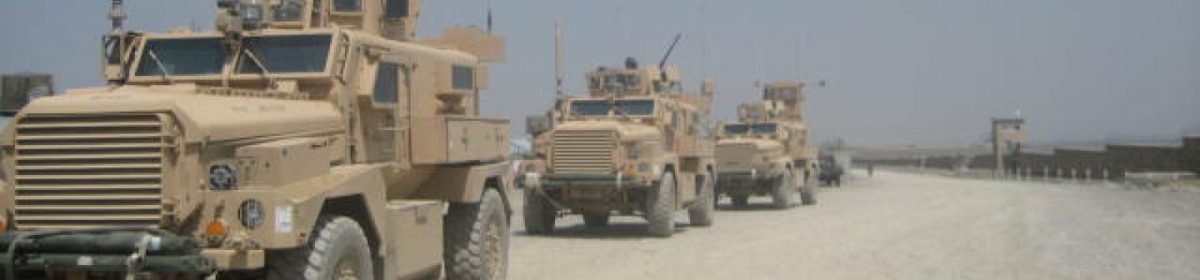
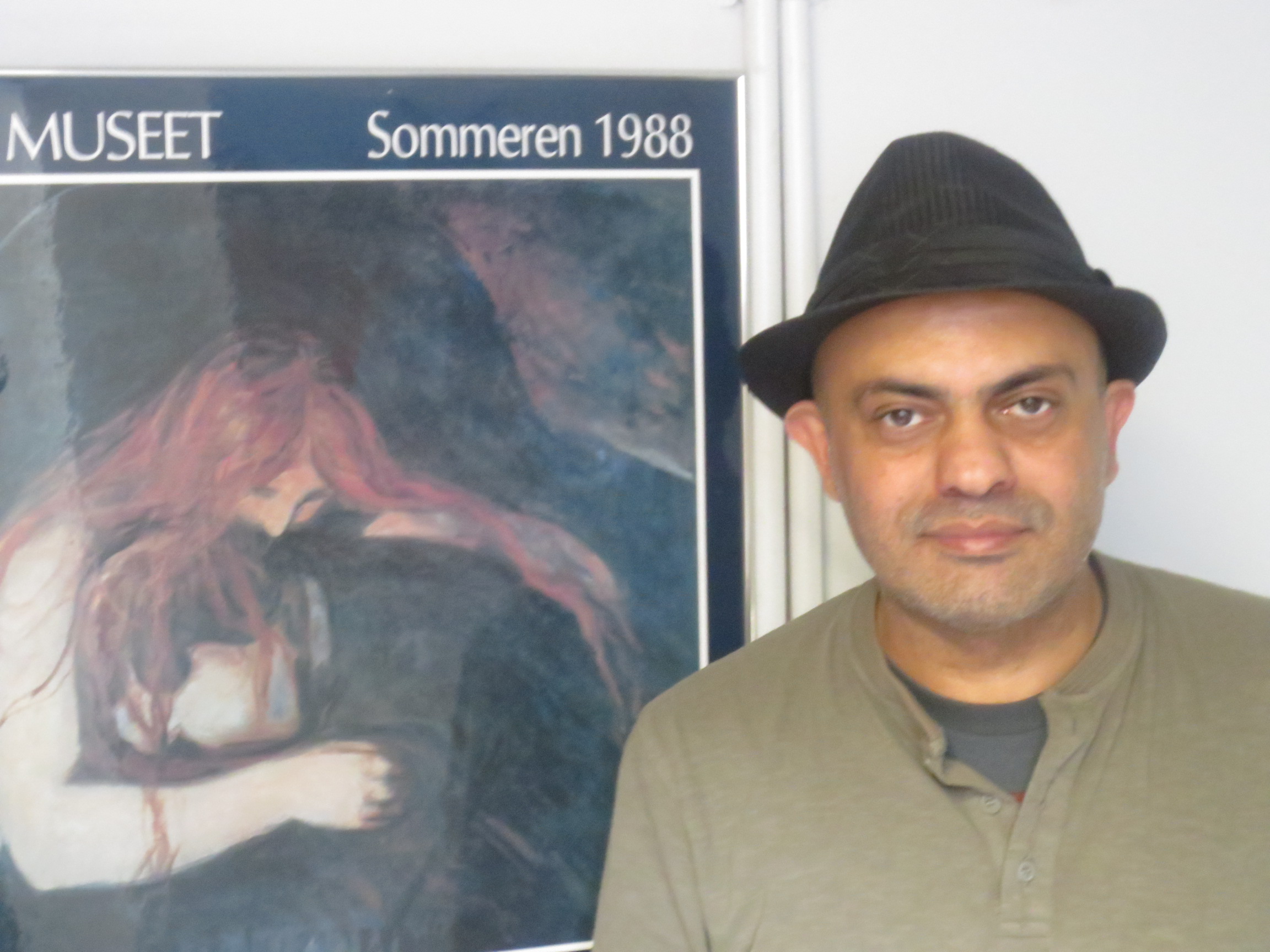


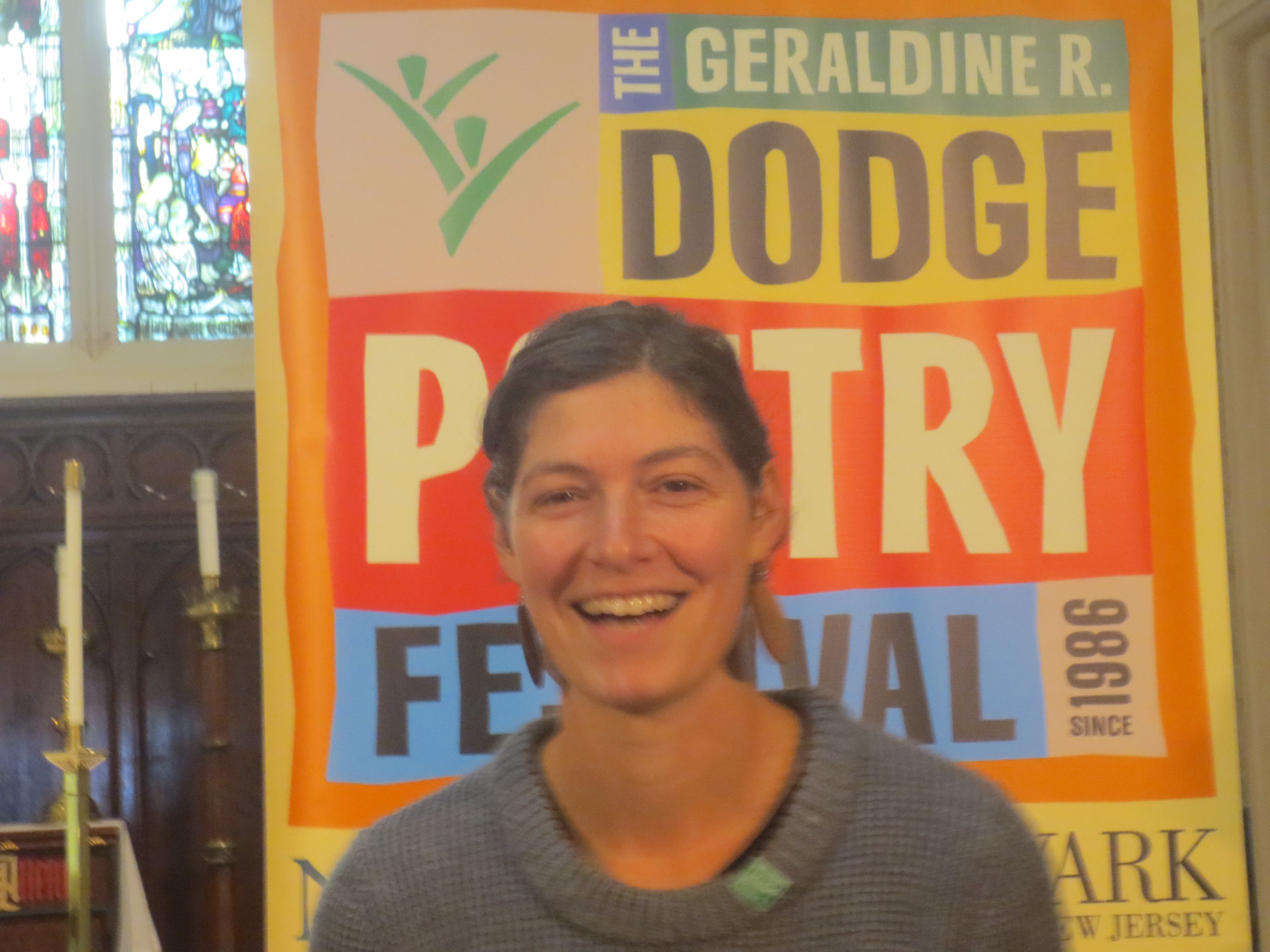


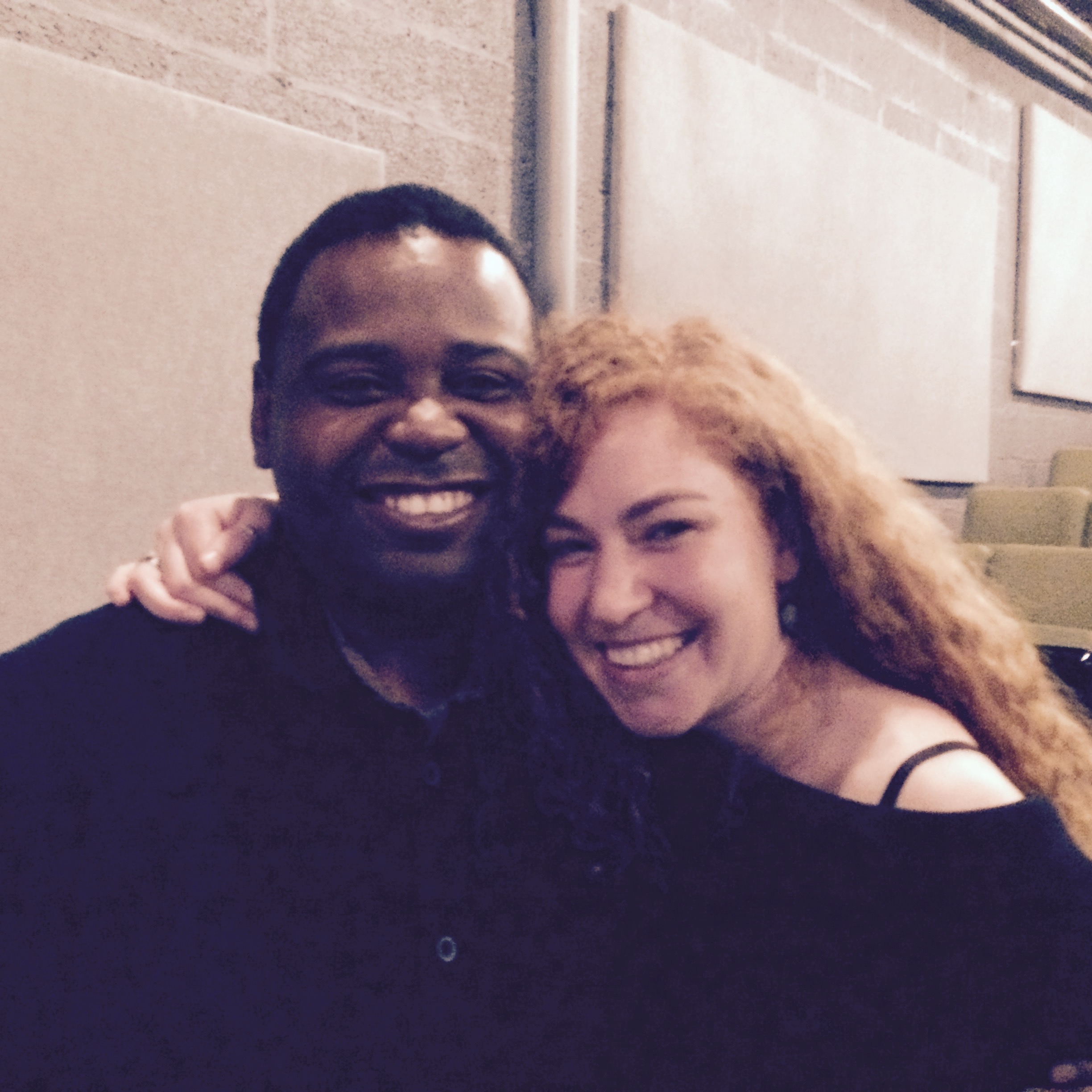
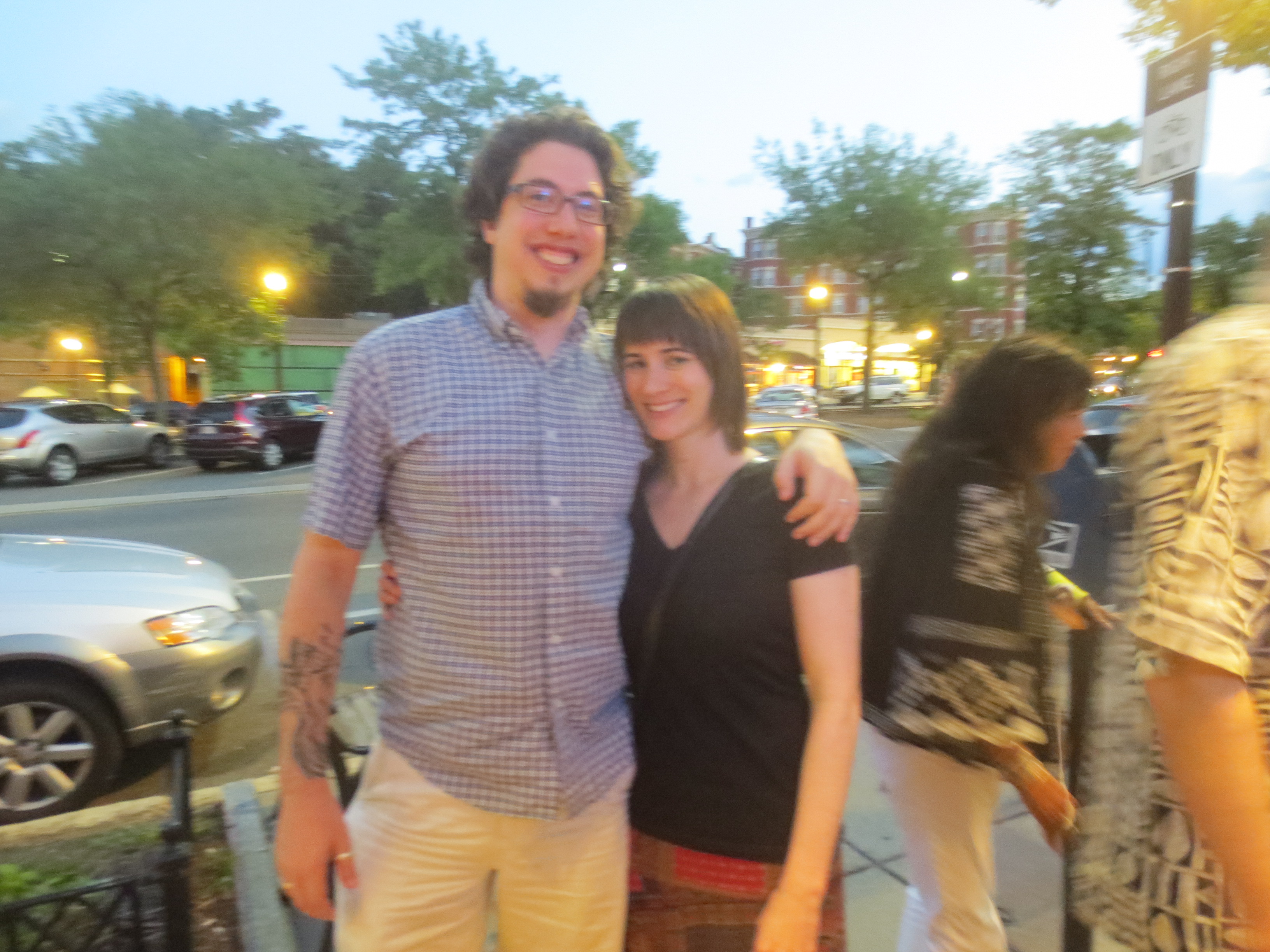


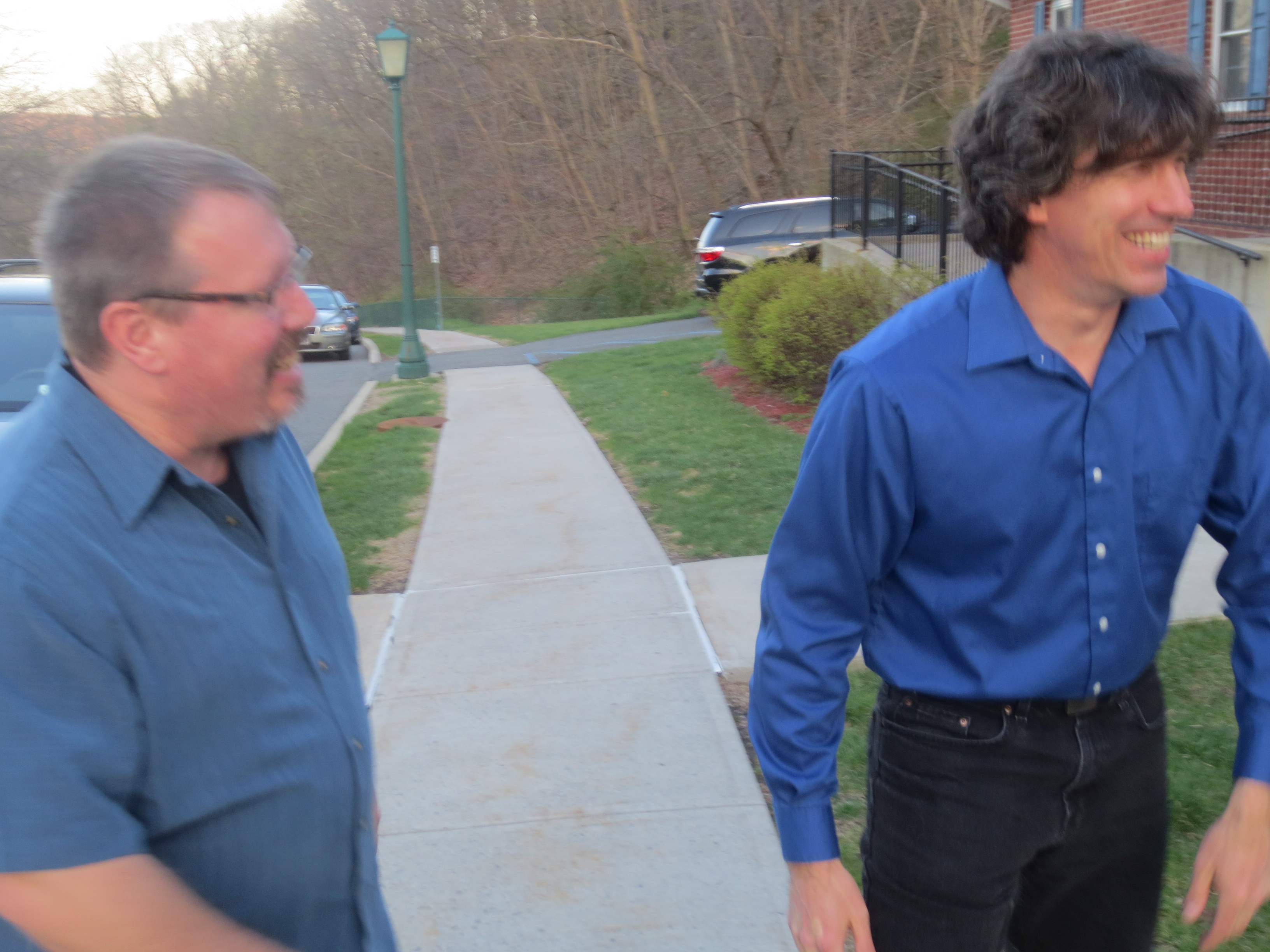
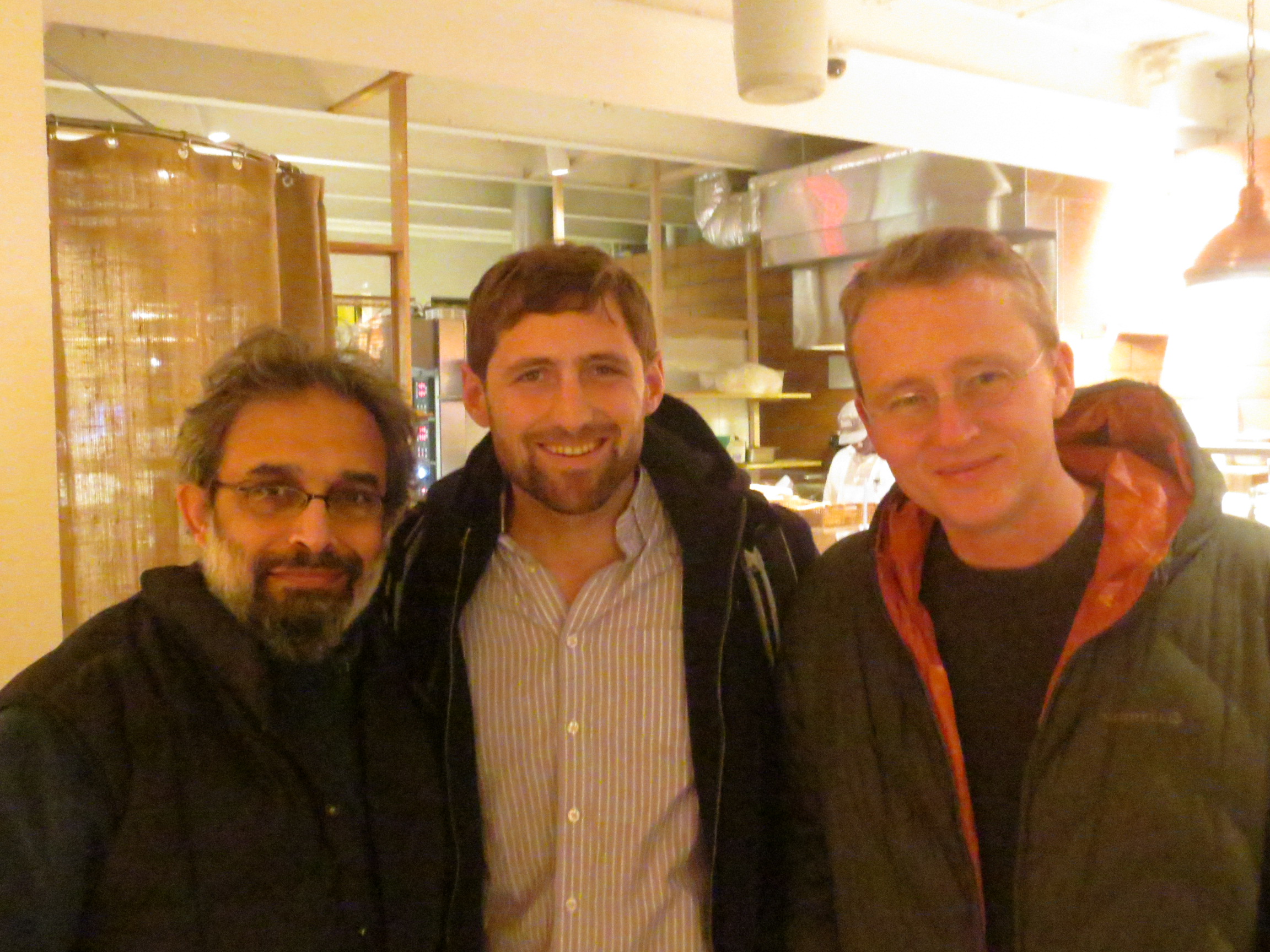

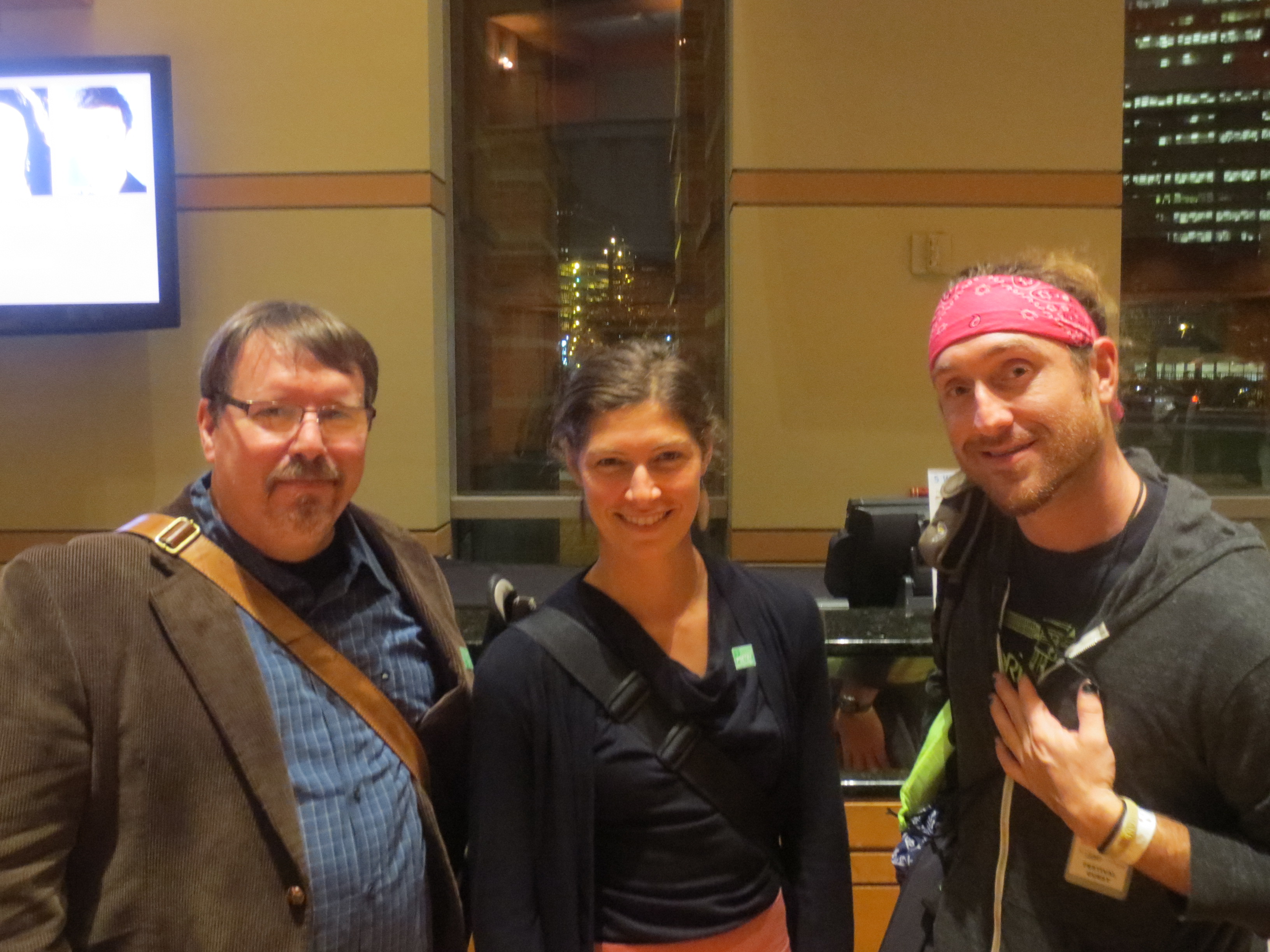
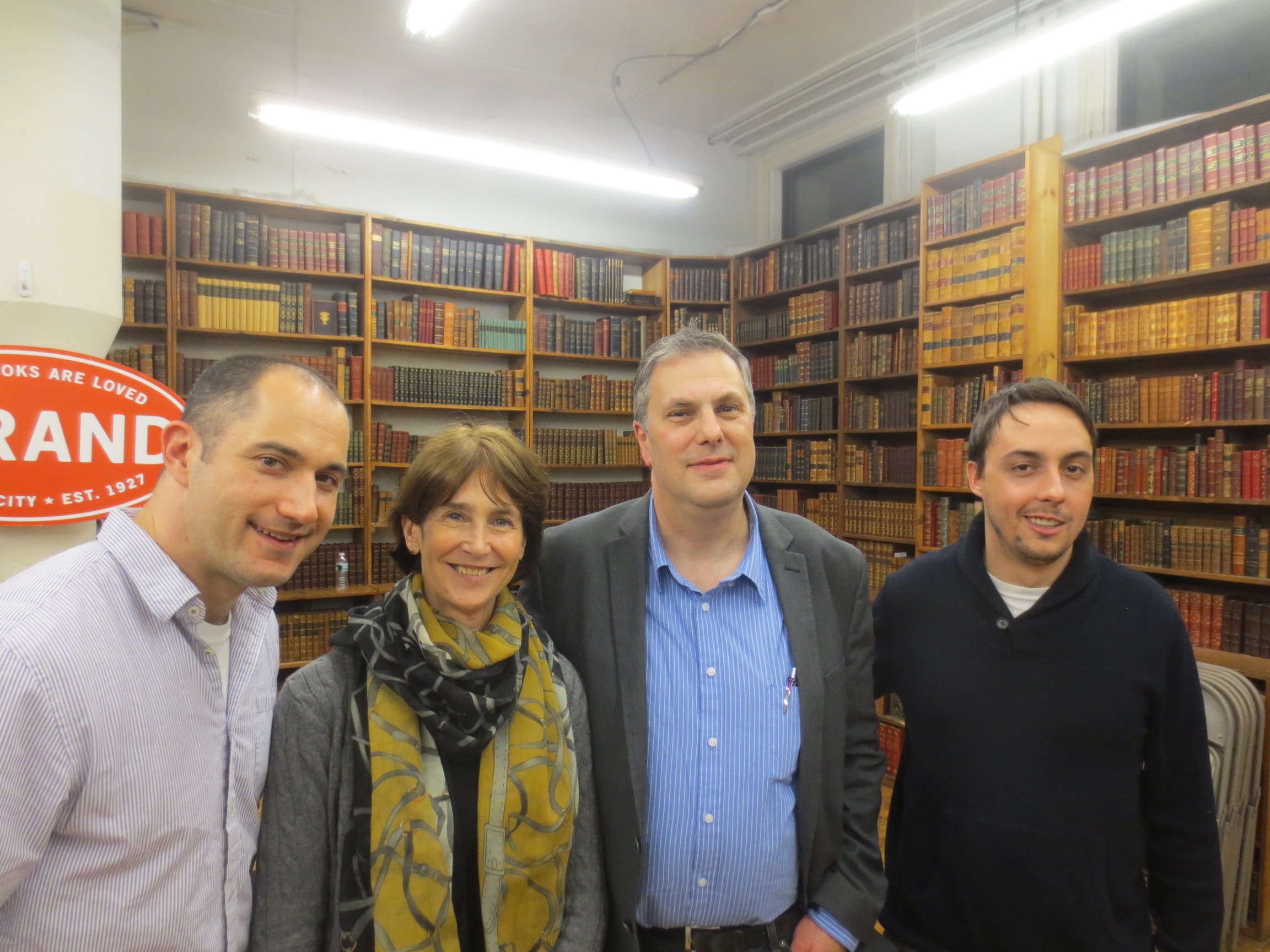
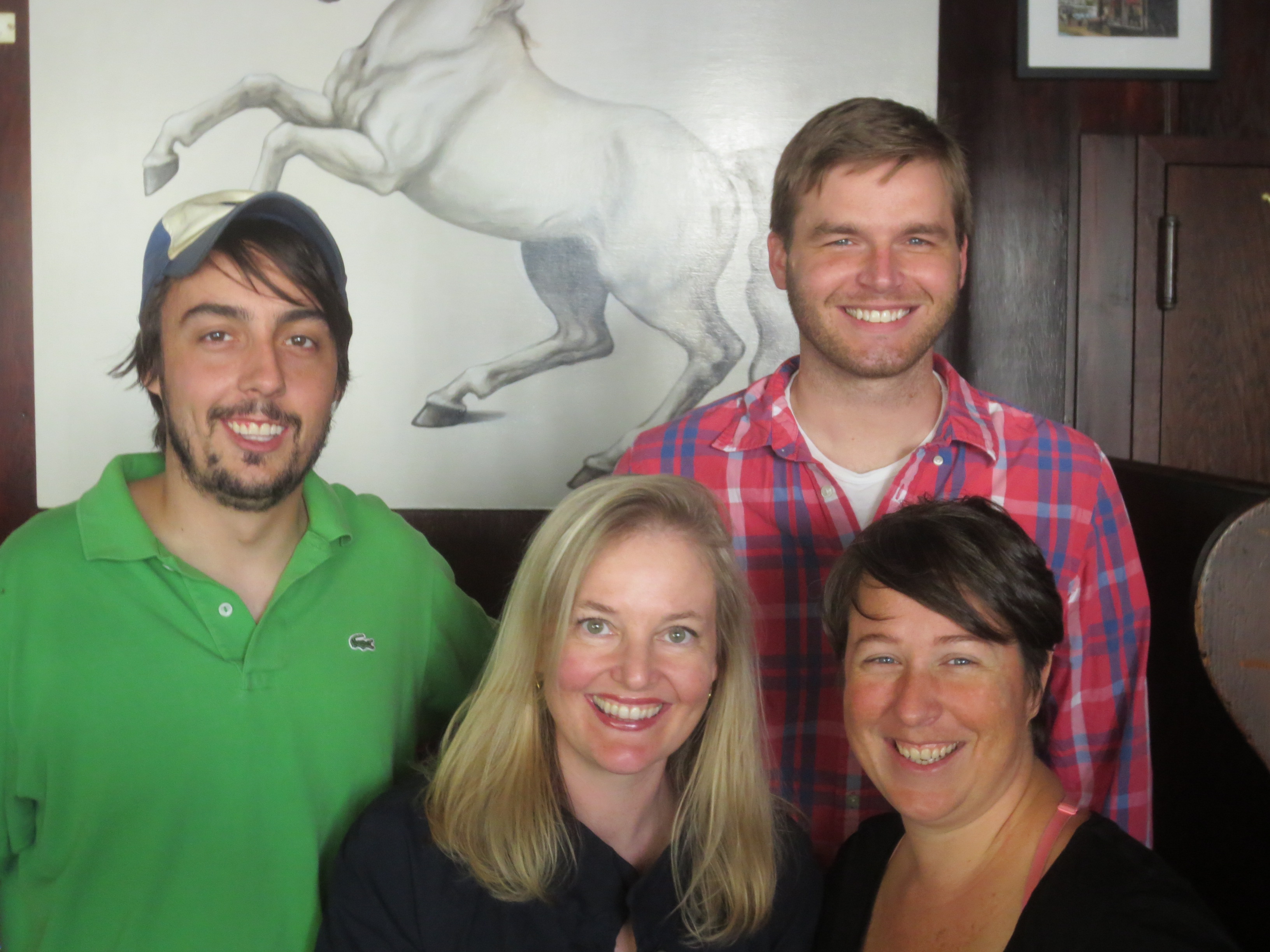
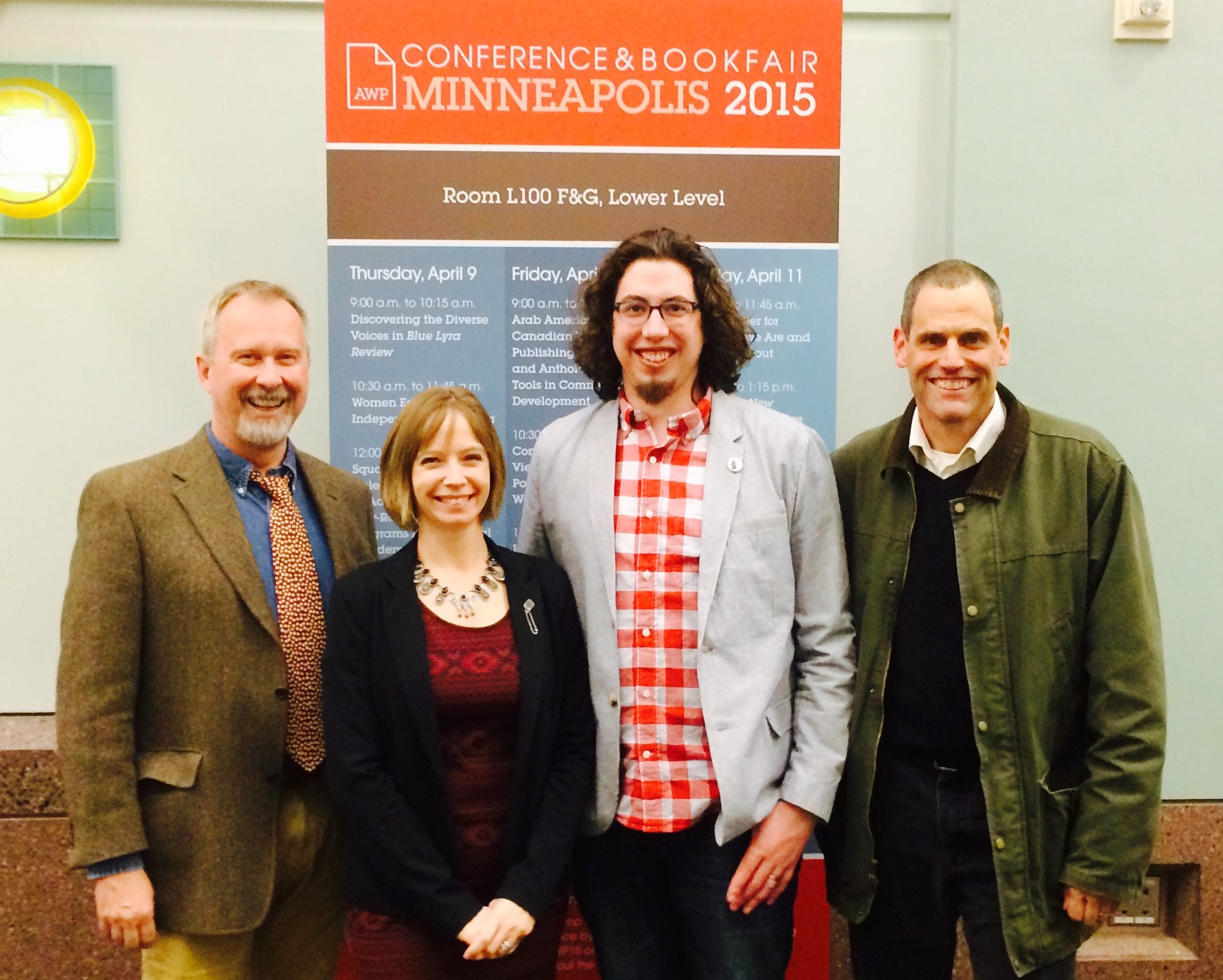

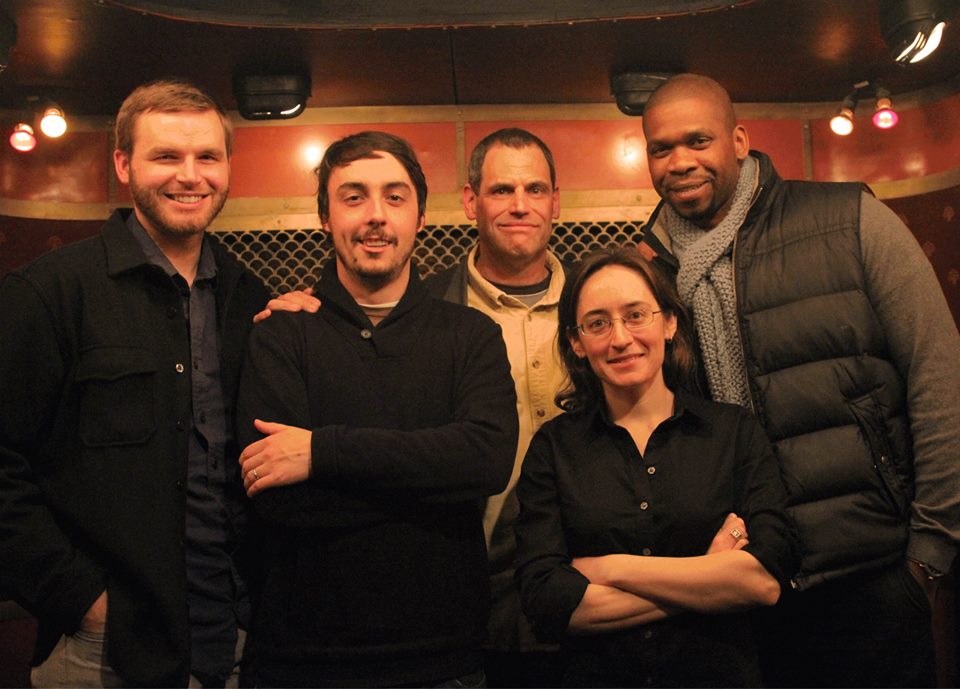
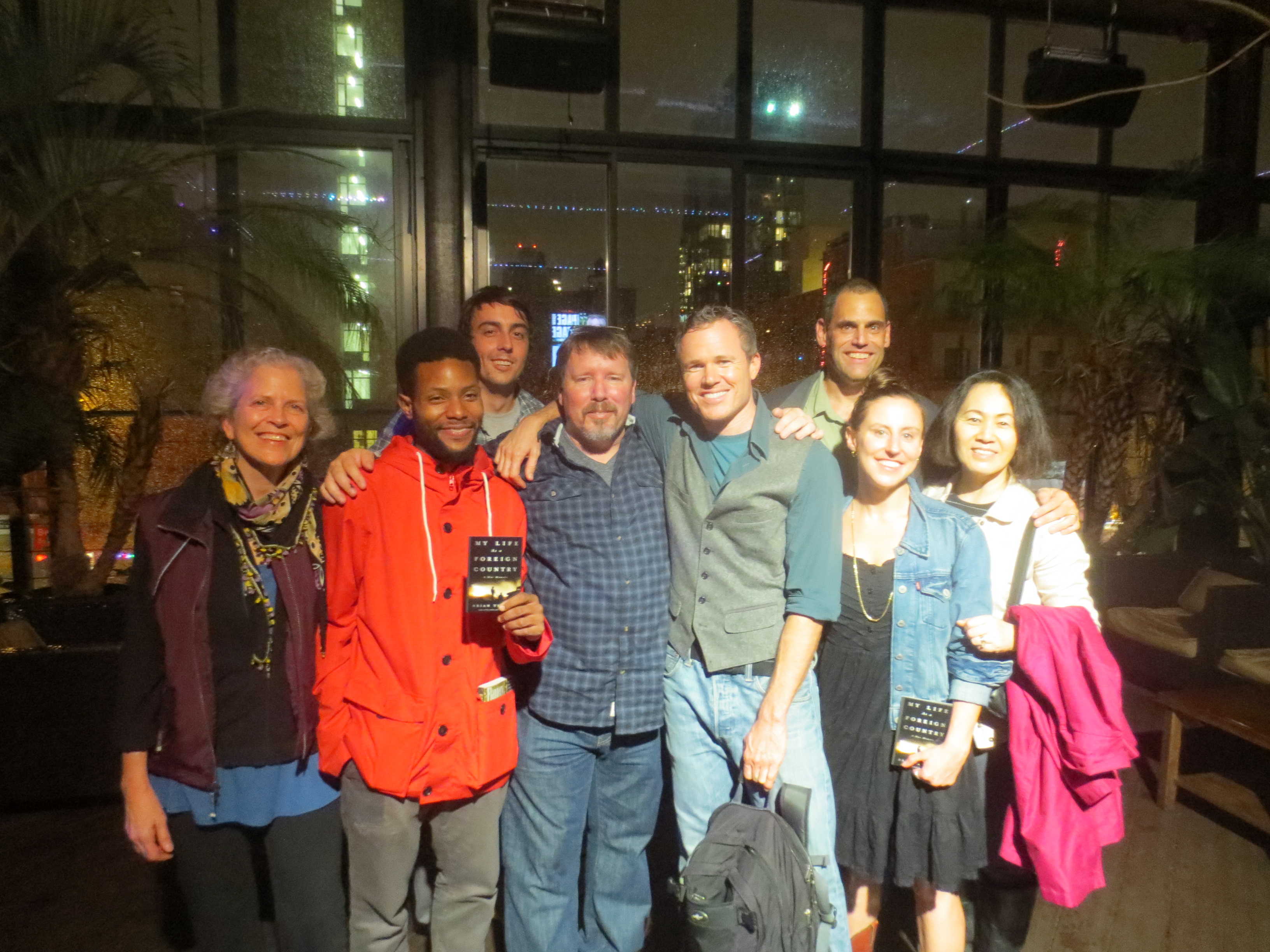
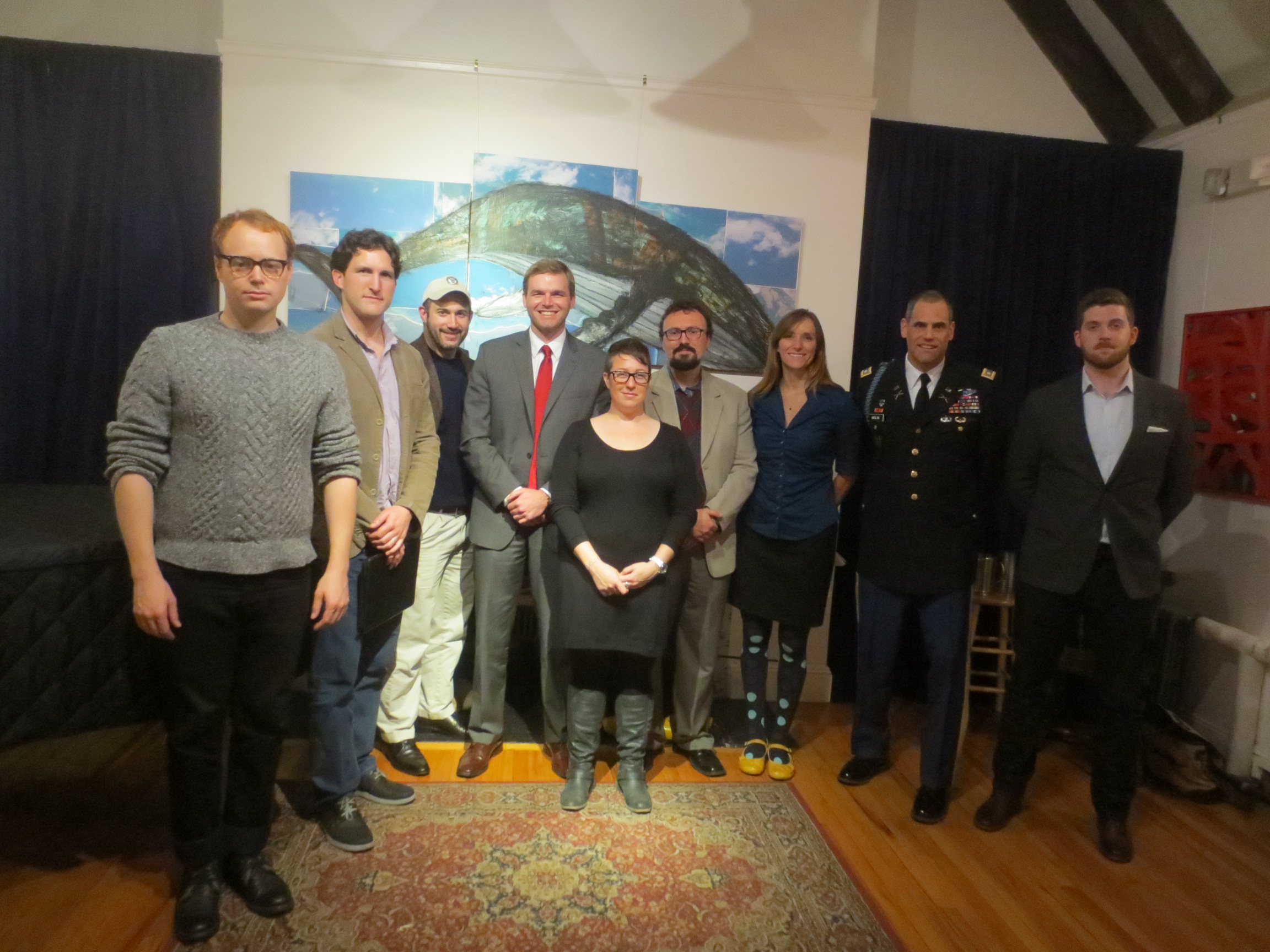
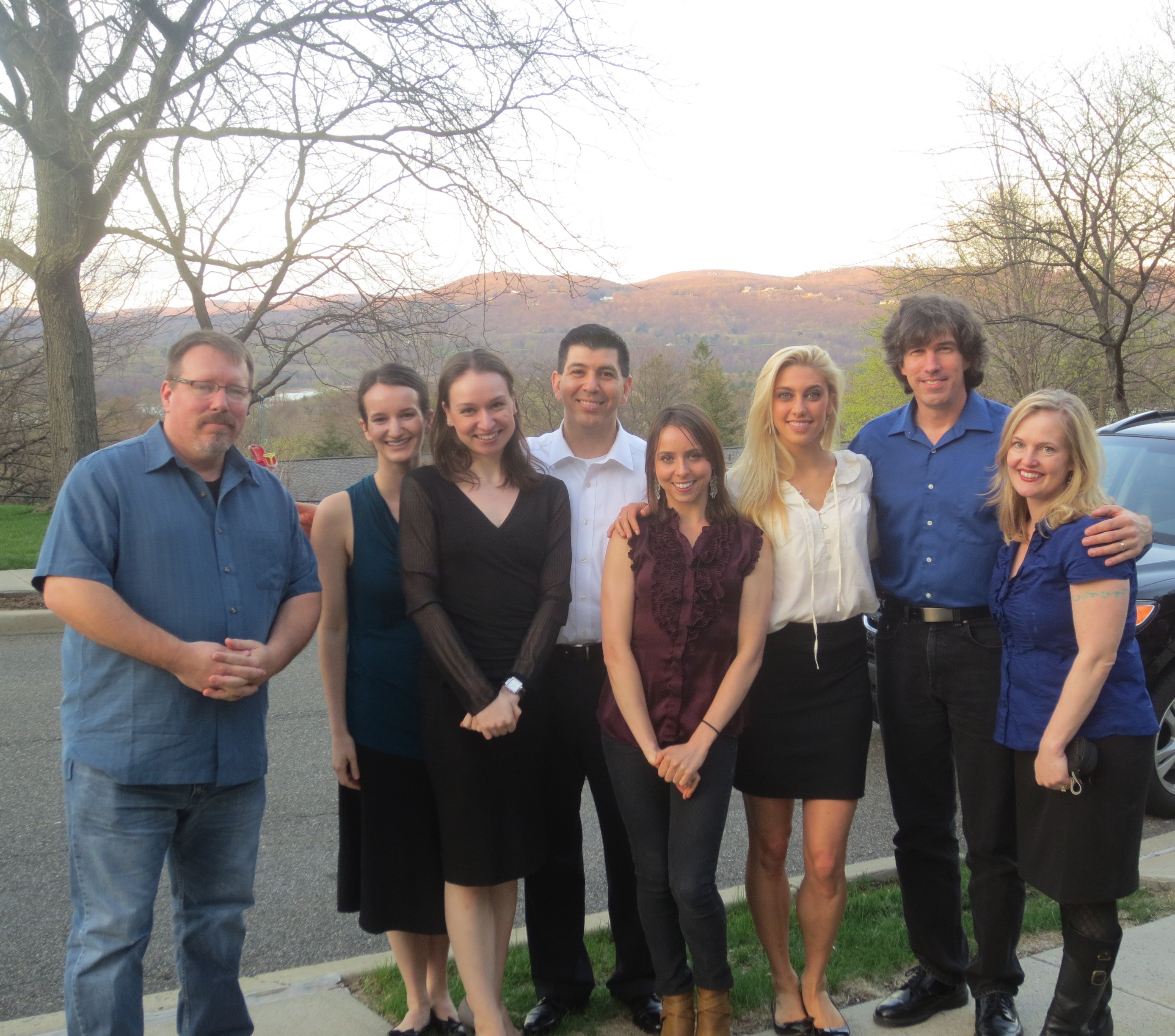

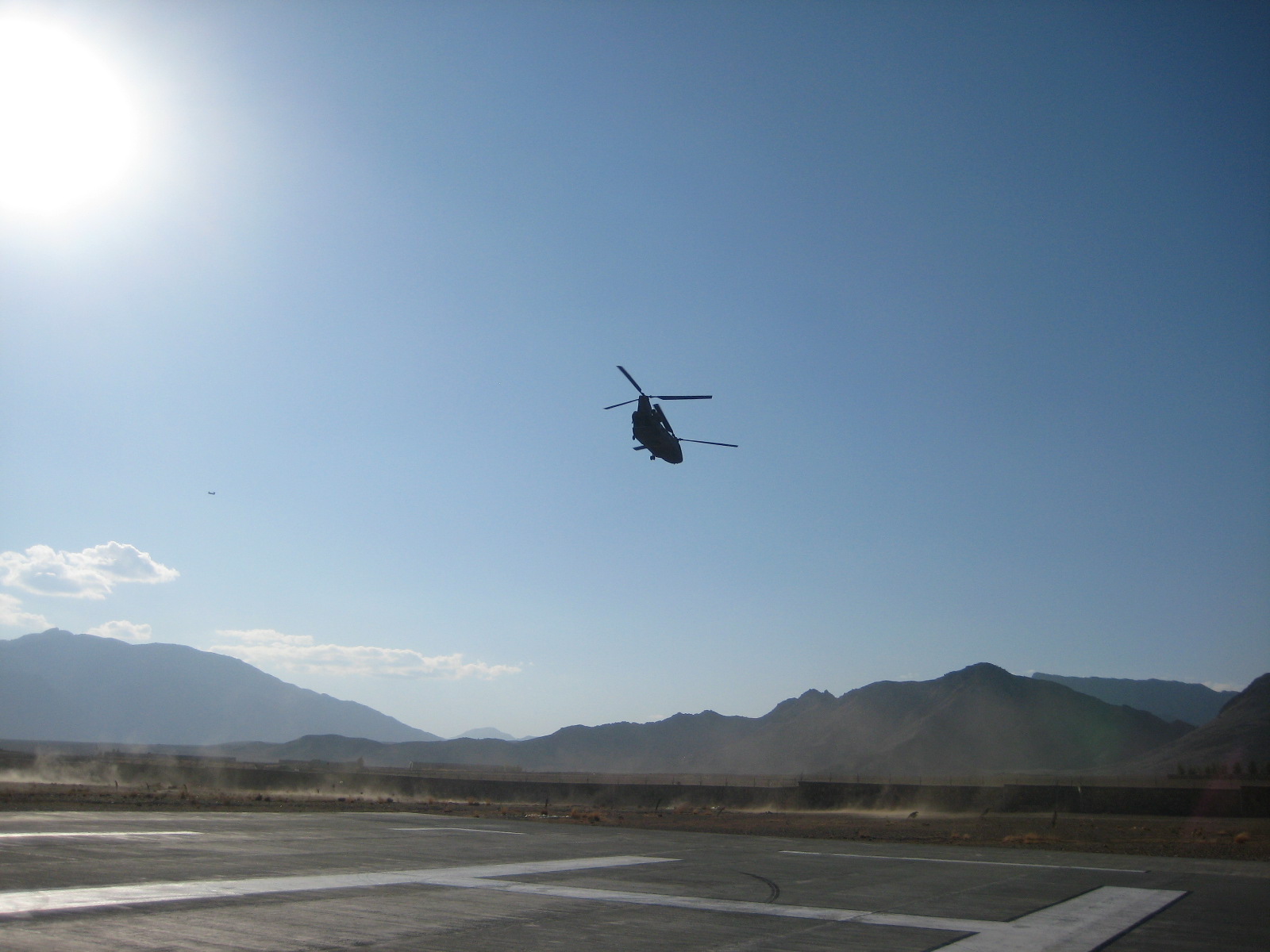
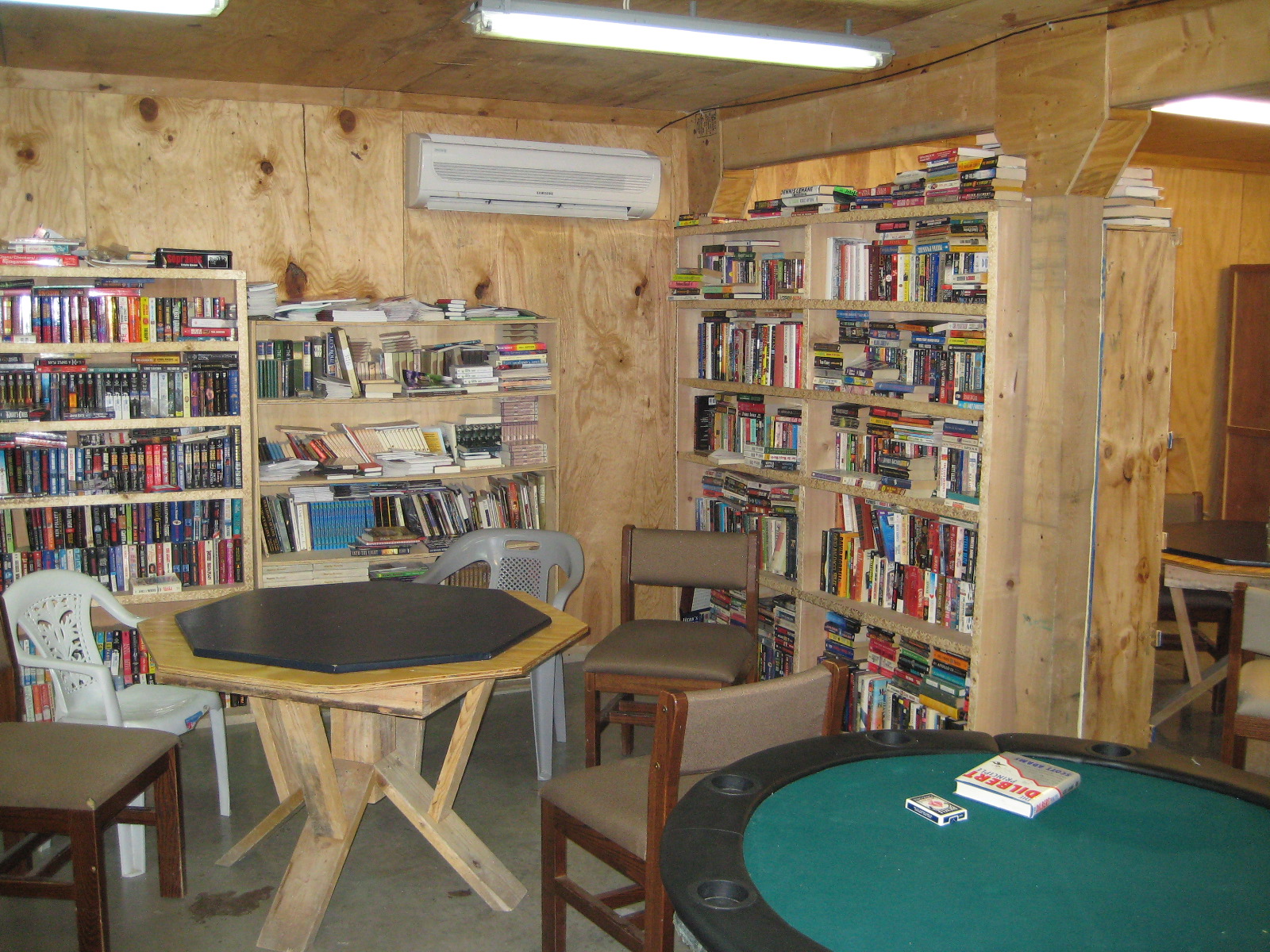
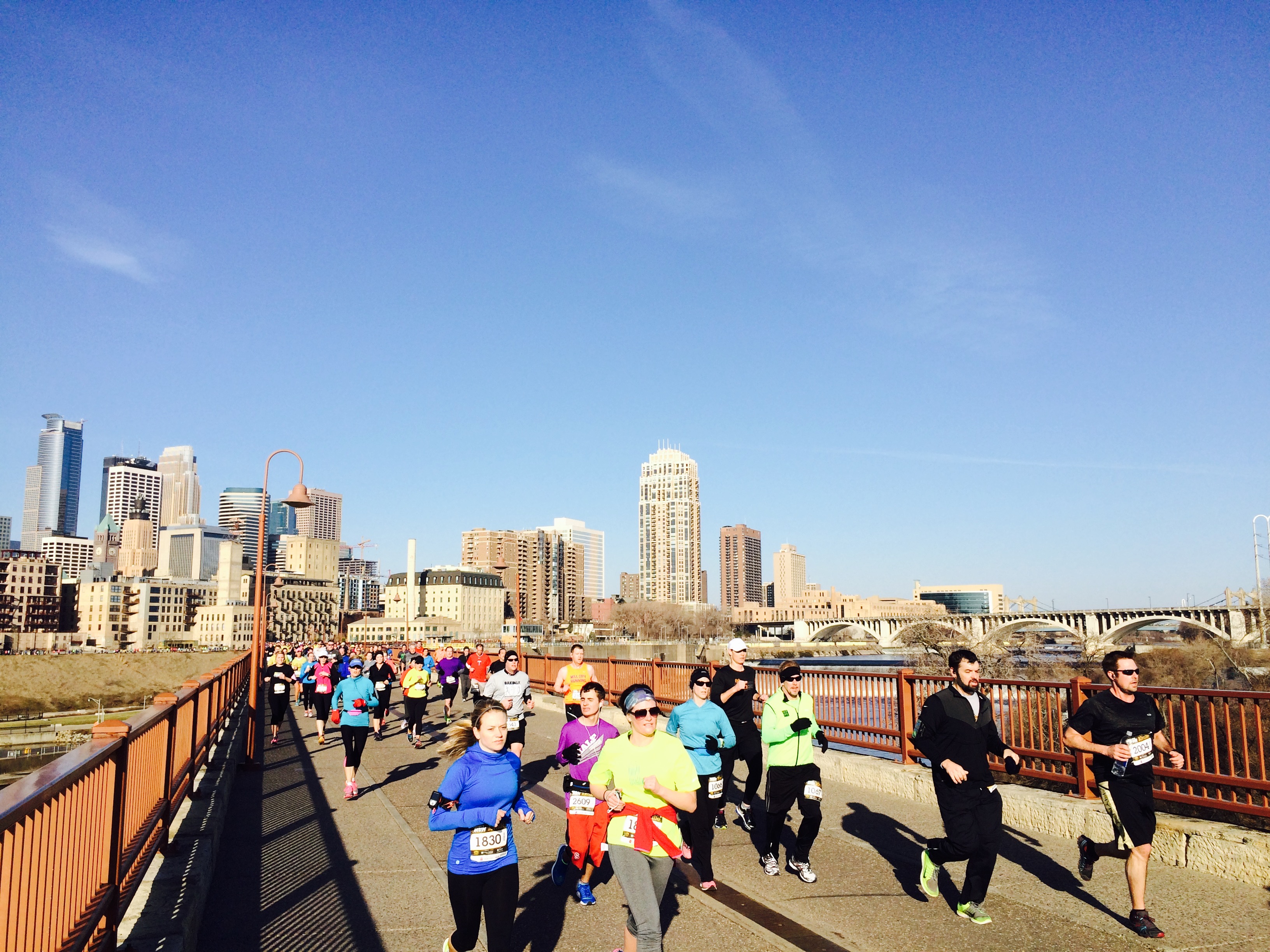
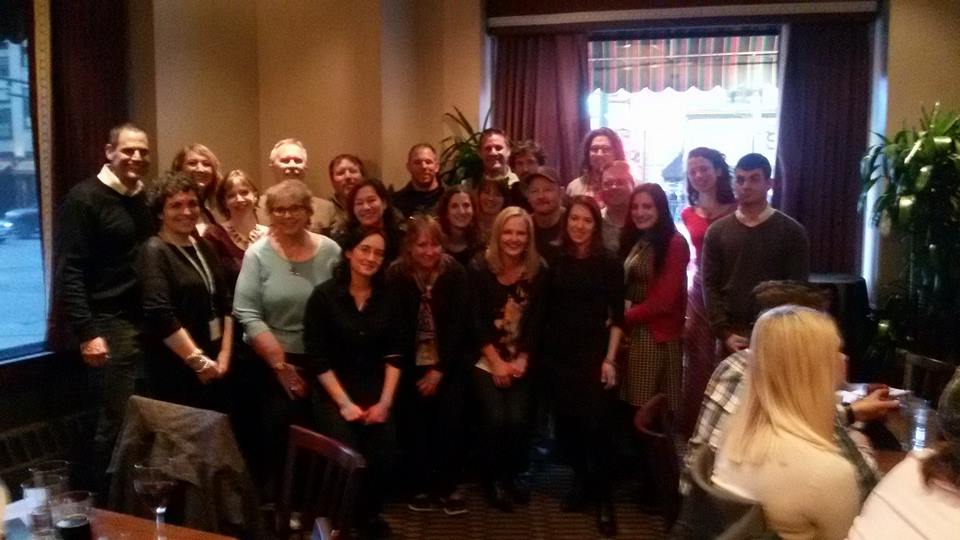
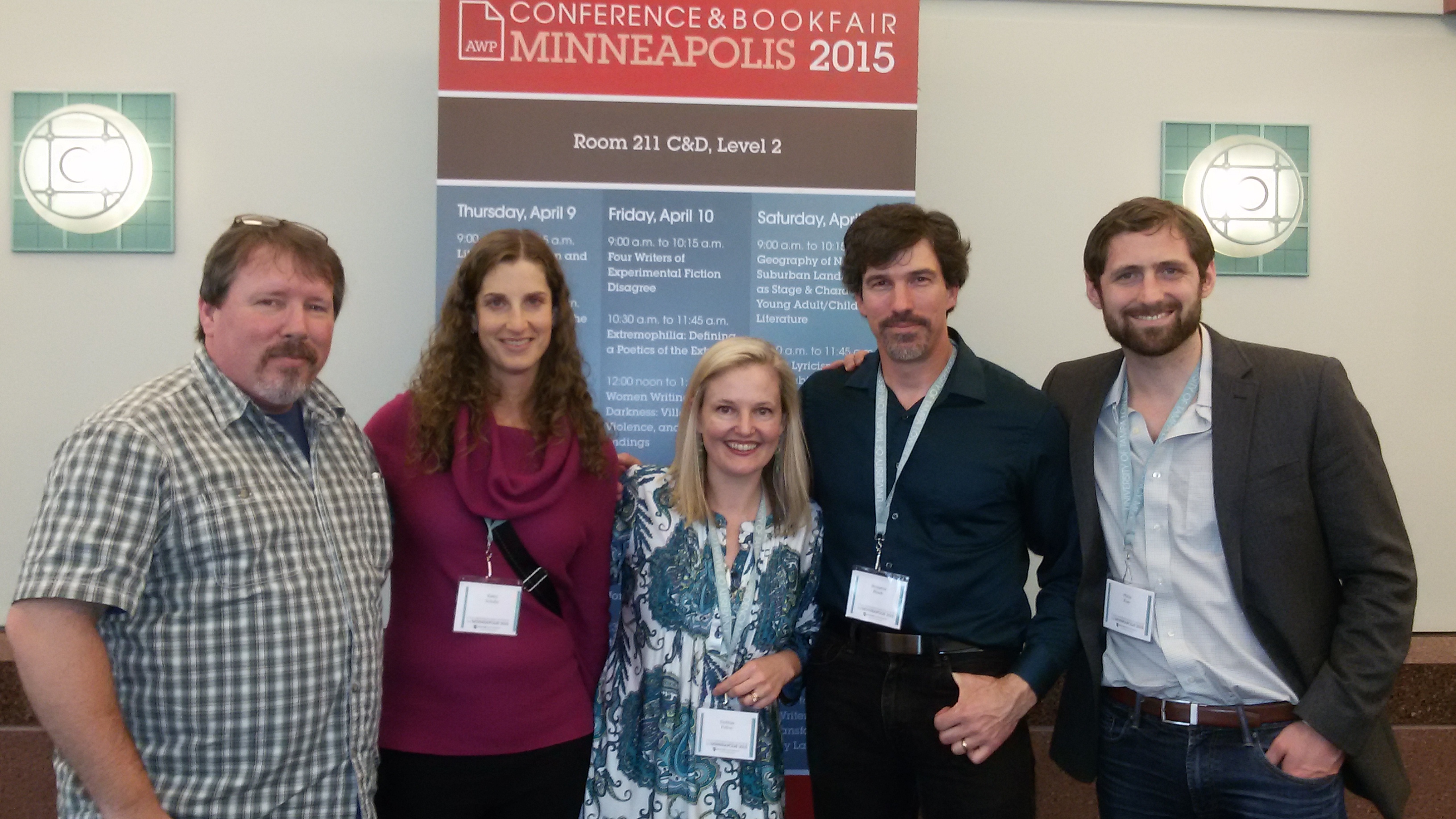


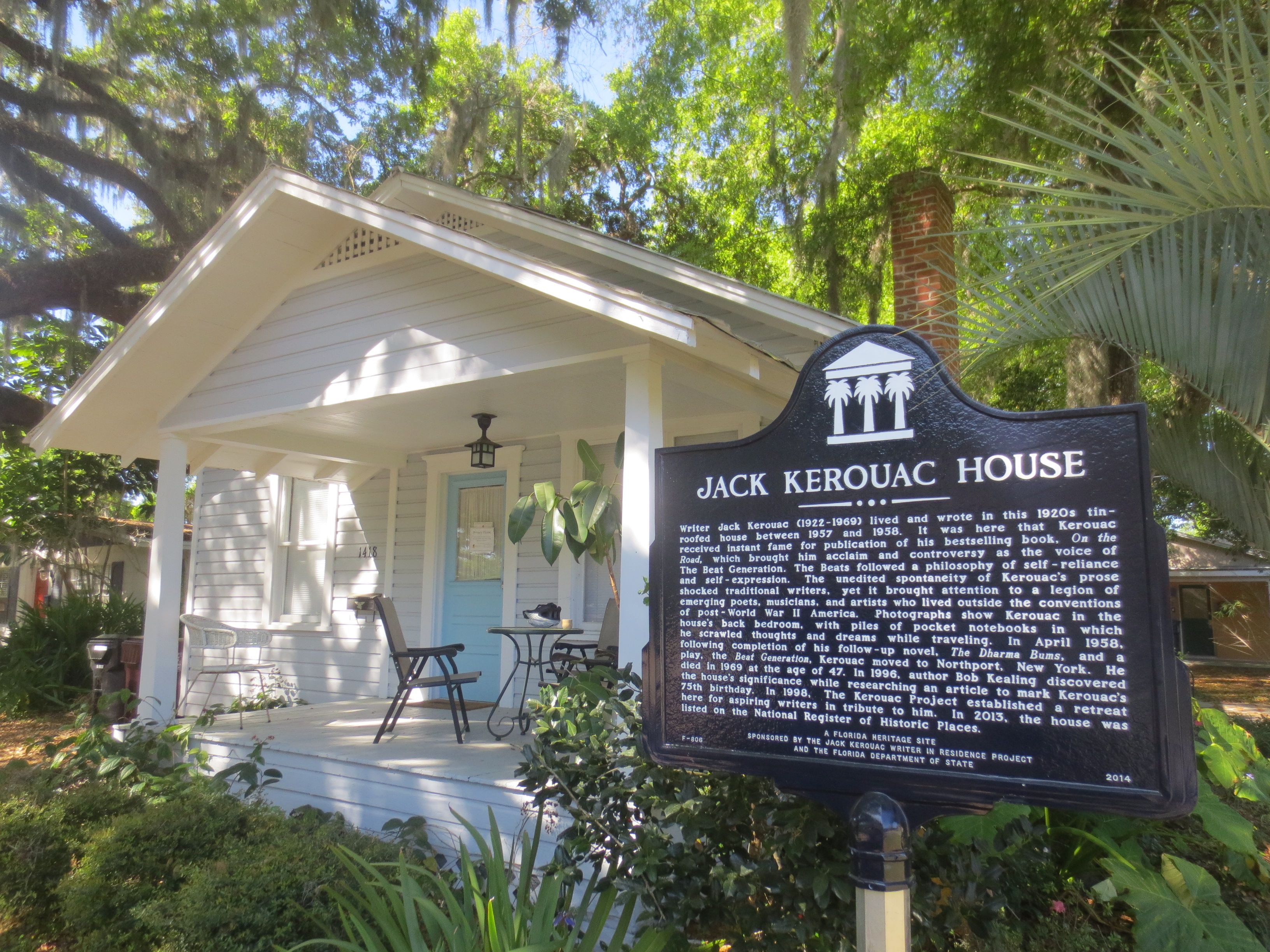


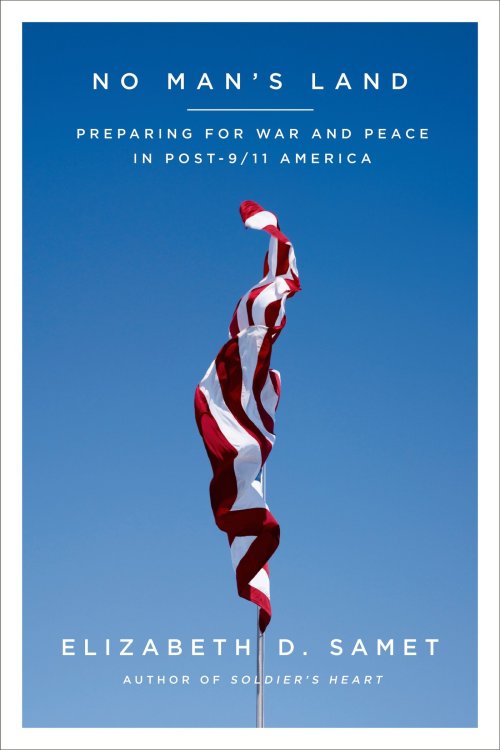


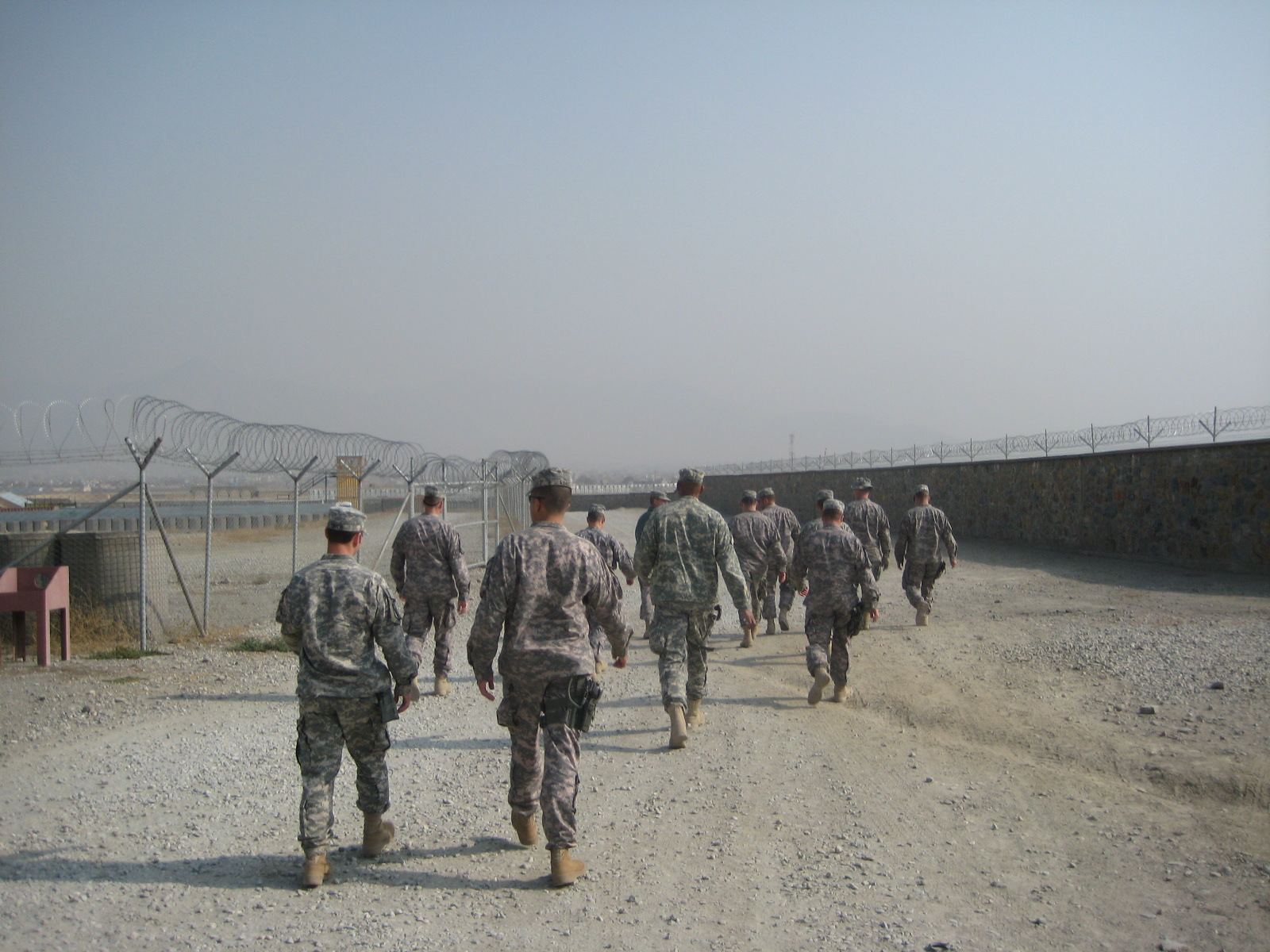
 Time Now: The Wars in Iraq and Afghanistan in Art, Film, and Literature