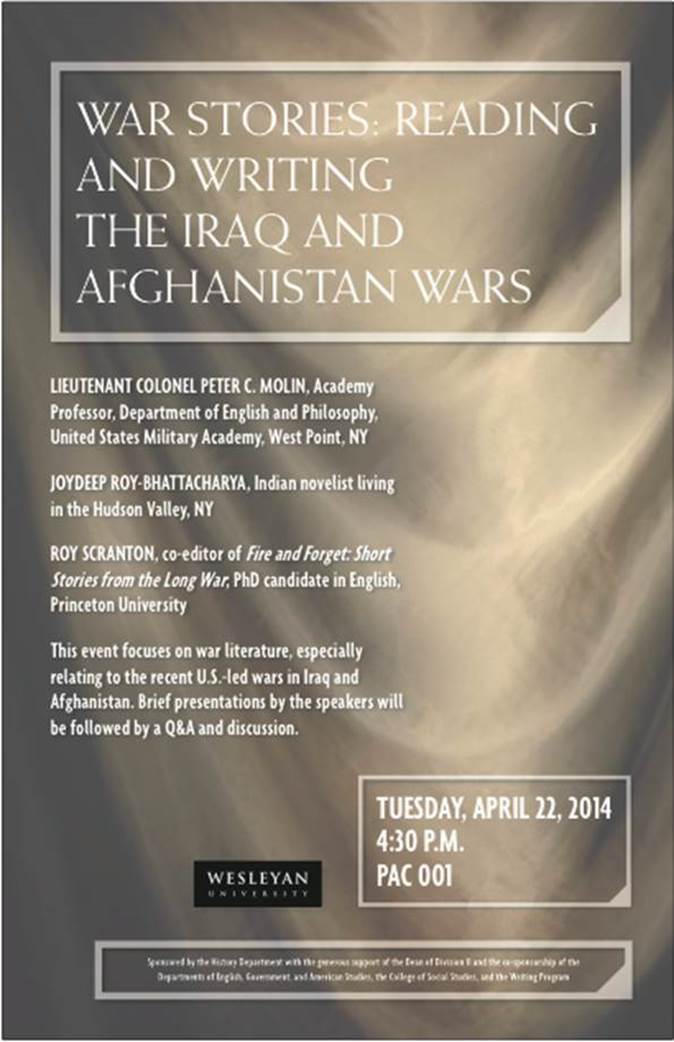
War Stories: Reading and Writing the Iraq and Afghanistan Wars

War-StoriesI was invited to speak at Wesleyan University with Roy Scranton and Joydeep Roy-Bhattacharya.  My comments mostly blended Time Now posts with others about Afghanistan from my old blog 15-Month Adventure. Scranton and Roy-Bhattacharya, on the other hand, offered up exciting new work. Scranton read “The Fall,” recently published in Prairie Schooner’s war issue and part of a novel he’s hoping to find a publisher for soon. Roy-Bhattacharya read from a novel in progress.  Both selections portray life in the early days of Operation Iraqi Freedom from the viewpoint of Iraqis, in Scranton’s case that of two women and in Roy-Bhattacharya’s that of the Baghdad Zoo caretakers.  We’ll have to wait for Roy-Bhattacharya’s novel, but here’s an excerpt from Scranton’s story:

Maha sat in her room listening to Britney Spears, wishing she was anywhere else.  The war was going to ruin her life, she knew it, it was going to ruin her chances for marriage, it was going to ruin everything.  Her skin was breaking out, her hair frizzing, ends splitting.  She stood at her window and looked through the split between two pieces of plywood nailed over the glass and watched smoke drift over her city, and the smoke was her future fading into haze.

And another, from near the end:

They quit going out.  They locked the gate.  They spoke to their neighbors through a crack in the second-story window. They didn’t go out onto the roof.  More explosions, more shooting.  One night they listened to a tank roll down their street.  They heard it stop.  They heard the grind of its turret and heard its gun fire, the sound of hell cracking open, then again, feeling it in their bellies, thumbs, and knees.  They looked at each other and prayed. Allahu akbar, la illaha ila Allah.  They heard a machine gun go tock-tock-tock and the tank rolled away.  An empty house down the block had been its target.  Two gaping holes like blank eye sockets watched the street.

That scene’s sensational, and Roy-Bhattacharya’s story, about the destruction of the Baghdad Zoo, even more so, but I like how they also explore with care the lived lives and and consciousness of Iraqis in that far-away, hard-to-remember time.  Each author was determined to bring the era back, to make it memorable again, reconfigured in ways that allow us to see it from other perspectives, and made vivid through the power of artistic description.

In the audience at the reading was Richard Slotkin, a Wesleyan professor famous for his works Regeneration Through Violence, Gunfighter Nation, and others.  The thesis of Regeneration Through Violence is easy to state: religious, peace-minded Americans learned to love, not hate, violence fighting Native Americans during the Puritan era. Think back to whatever you remember of the King Philip Wars, which were brutal and merciless.  Each subsequent generation of Americans then sought their own bloody encounter with a savage dark-skinned foe. For the next three centuries, Americans pushed westward, driven not by manifest destiny, but bloodlust.  In the 20th century, out of native land, the theory goes, generation by generation Americans created and battled enemies abroad.   Our wars thus have not been Clausewitzian, but Freudian.  Not politics by other means, but psychology at its most primeval.  In Gunfighter Nation, Slotkin examines the ideology of Westerns and war movies.  In the 19th century, print fed what Slotkin calls “the national imaginary” of what it means to fight, but in the 20th and 21st Slotkin argues that it is movies and TV that mold consciousness.  For Slotkin, they do political work preparing an always almost already populace to embrace war. Either they unwittingly rechannel conventions, or their makers do so cravenly and crassly.

Two days after Scranton, Roy-Bhattacharya, and I read, I returned to Wesleyan to hear Slotkin lecture on the 2001 movie adaptation of Mark Bowden’s Blackhawk Down.  Slotkin deplored its degradation of Bowden’s superior book.   He claimed the movie-makers made many artistic choices that reinforced the message that America was justified in heinous overseas adventurism and inculcated the idea that a “kill ‘em all” mentality was not only effective, but morally defensible.  In his lecture, Slotkin mentioned the War Stories reading three times, all favorably.  He asserted that contemporary war writers such as Scranton and Roy-Bhattacharya were working hard and generally succeeding in breaking the pernicious clichés and traps of popular American story-telling. Movies couldn’t do it, he implied; they were too bound by genre conventions and money-making imperatives.  Novelists aren’t free of such things, nor is the publishing industry, but they have a better chance of avoiding them. Staunchly individualist in outlook and solitary in method, writers thoughtfully pursue their visions of the truth free of cant and stereotypes. They tell the stories they want to tell or that they think the nation needs, not wants, to hear.

I was glad to hear that, because it’s what I think, too.  I just hope it’s true.  We’ll see when Hollywood turns Scranton’s and Roy-Bhattacharya’s novels into blockbusters, right?  But first they have to get published, which I hope is soon.
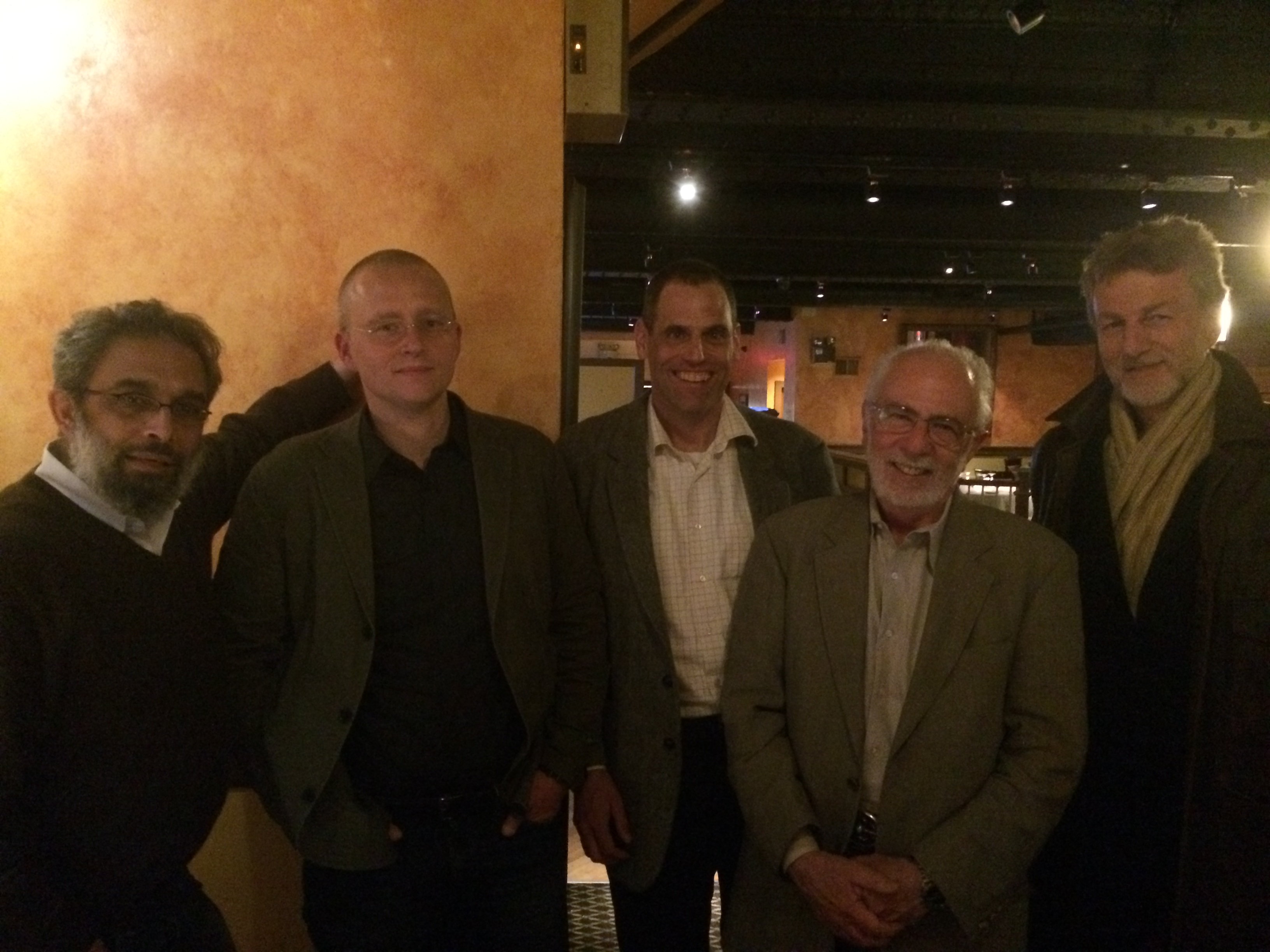
At Wesleyan, with, left to right, Joydeep Roy-Bhattacharya, Roy Scranton, me, Richard Slotkin, our host William Pinch of Wesleyan's History Department
Left to right, Joydeep Roy-Bhattacharya, Roy Scranton, me, Richard Slotkin, and our host William Pinch of Wesleyan’s History Department

Roy Scranton’s “The Fall” appears in the winter 2013 issue of Prairie Schooner, a special war edition guest edited by Brian Turner.  It is full of interesting stories and poems and fresh voices.

Richard Slotkin, Regeneration Through Violence:   The Mythology of the American Frontier, 1600-1860.  University of Oklahoma Press, 1975/2000.

Richard Slotkin, Gunfighter Nation:  Myth of the Frontier in Twentieth-Century America.  University of Oklahoma Press, 1998.
War of Words, Words of War

Last week I was fortunate to hear masterful short-story war authors Phil Klay and Hassan Blasim read in separate events to West Point cadets, faculty, and interested community members.  Both Klay and Blasim were eager to share their enthusiasm for literature and what they have learned about war for the benefit of future officers.  Both, I think, were pleased to find receptive audiences—Blasim, no fan of Saddam Hussein but equally appalled at the destruction of Iraqi civilized, artistic, and intellectual life in the wake of his displacement by American forces, and Klay, a Semper Fi Do or Die Marine in the heart of the belly of the Army beast.  Both read powerfully, both were charming raconteurs in informal discussion, and both were inspirational about the necessity of imagination and art to help people—future Army officers—understand the complexity of war and the human experience of it.  Hats off to my bosses and colleagues at West Point who have worked hard to make contemporary war artists and writers relevant to the education of cadets.

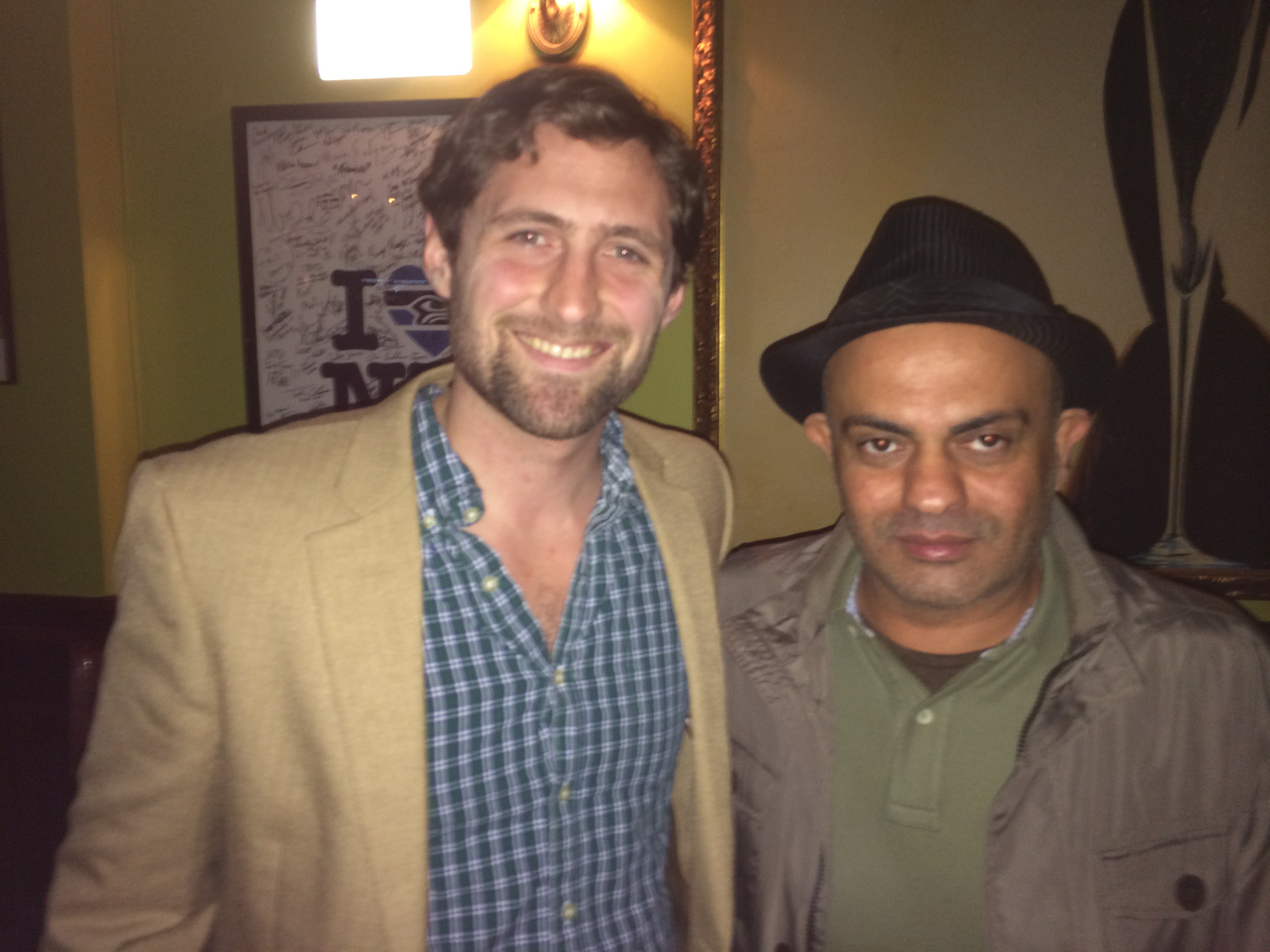
This week, Klay and Blasim read together in New York City, where I took this picture of them together:

Klay Blasim

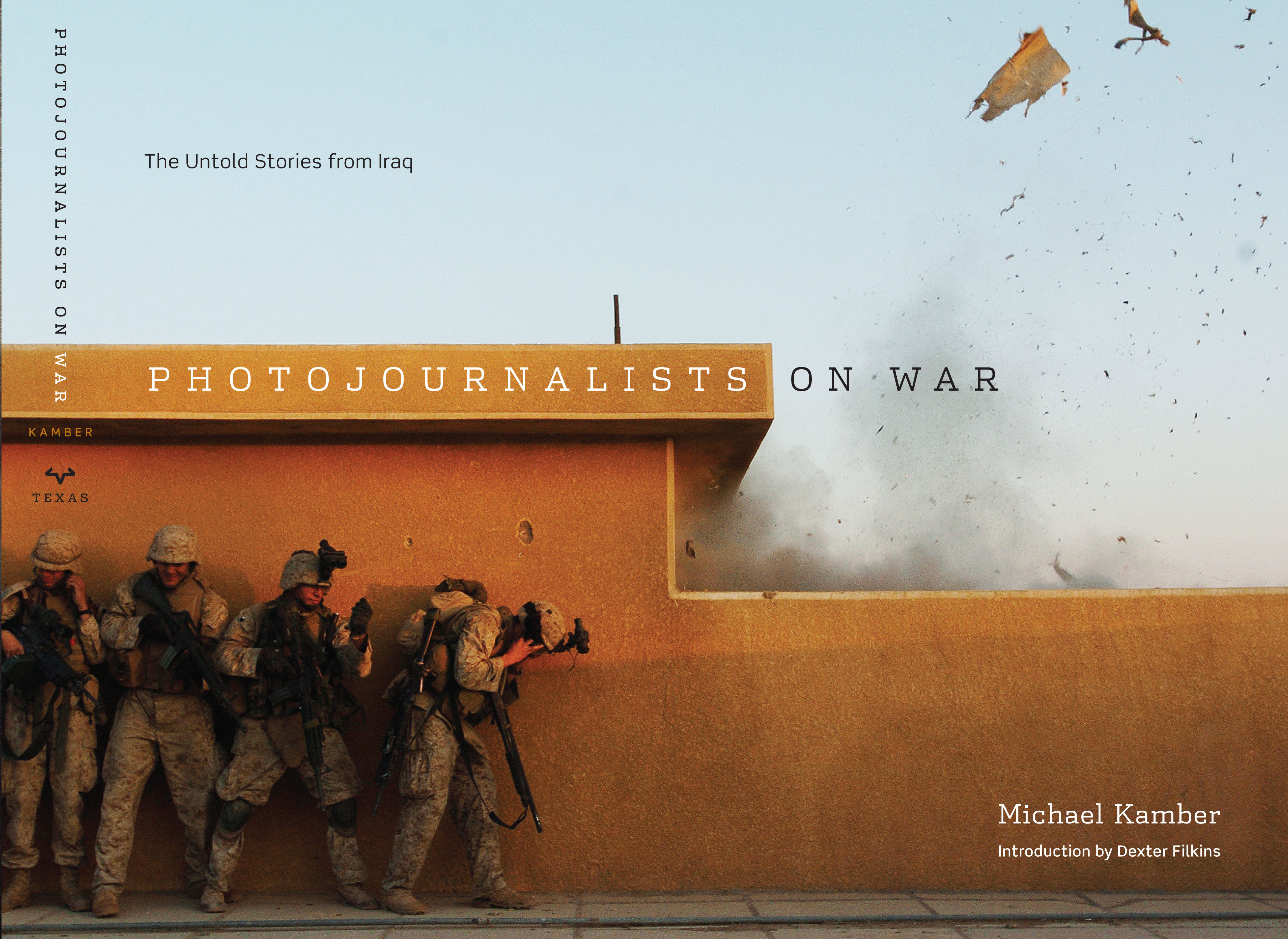
Also this week, I participated in two Vassar College classes that explored the Iraq War through fiction and photography.  The class had read David Abrams’ Fobbit, and now we were privileged to have Abrams join us by Skype—shades of deployment!—to discuss his black humor vision of Operation Iraqi Freedom.  Abrams has written about the experience in his blog The Quivering Pen and even included two wonderful student response papers to his novel.  The following class, the professor, Dr. Maria Hoehn of Vassar’s History Department, brought in Michael Kamber, a photographer who has covered both Iraq and Afghanistan for the New York Times.  Kamber has recently published an important and fascinating book called Photojournalists on War:  The Untold Stories from Iraq.  In it, Kamber compiles hundreds of photographs too graphic for military censors and media editors and published them along with their photographers’ accounts of their taking.  Kamber is adamant that photographs can shape consciousness and politics and he is vehement in his indictment of a military-media complex that has restricted, censored, and otherwise blocked distribution of the photographs that would truly inform the American public about the Iraq War.

photojournalists-on-war-michael-kamber-cover-hr

This swirl of words and impressions came as a series of publications and events brought veterans and veteran fiction into high relief.  George Packer’s glowing assessment of the contemporary war lit scene in the New Yorker was great, but its fulsome praise was undercut by Cara Hoffman’s  indictment in the New York Times that that same scene has been inhospitable to women’s first-person accounts of war.  Next came the news of yet another shooting rampage by a veteran.  One could sense public patience with vets draining away with each new article; we who were once heroes are in danger of morphing into monsters.  As if that wasn’t bad enough, the New York Times ran an opinion piece that confidently asserted a causal relationship between military service and membership in white supremacist groups and then an article that made the current generation of West Point cadets sound like bloodthirsty ingrates for their admission of regret that they would not probably not see combat in Iraq or Afghanistan.

In the midst of these gloomy accounts came a personal triumph, but one whose relevance to contemporary war literature I’m still trying to figure out. The current Maryland Historical Magazine features an article I wrote about early American novelist John Neal.  Neal is unknown to most, but he authored seven novels between 1817 and 1823–a time when very few other American writers took novels seriously.  Neal obviously did.  He called novels “the fireside biography of nations” and said, “People read novels who never go to plays or to church.  People read novels who never read plays, sermons, history, philosophy, nor indeed any thing else.”  Novels, for Neal, were places “where imaginary creatures, invested with all the attributes of humanity, agitated by the passions of our nature, are put to the task of entertaining or terrifying us.”  Ominously, he wrote that readers were excited by immoral and criminal characters more than virtuous ones.  Speaking of two popular authors of the time, Neal claimed that “all their great men are scoundrels….  their good men are altogether subordinate and pitiably destitute of energy and wholly without character.”  Be that as it may, Neal urged that all writers “write fiction–let them put out all their power upon a literature that all may read, century after century–I do not mean quote, and keep in their libraries, but read.”

Is any of this true, then or now?  Is any of it important?  Tomorrow I travel to Wesleyan University in Connecticut to participate in a “Writers on War” panel with Roy Scranton and Joydeep Roy-Bhattacharya.  I’m interested to hear what they and our audience have to say.  And what about David Abrams?  Michael Kamber?  Phil Klay?  Hassan Blasim?

War Film: GI Film Festival

Ex-US Army officer Laura Law-Millet started the GI Film Festival to showcase films about war and the military by independent movie-makers.  There’s definitely a disconnect between Hollywood and the military, and we wanted to show the real experiences of being in the military,” she says in a West Point Pointer View article about GIFF’s recent visit to the United States Military Academy.  GIFF aired films on two nights, one evening dedicated to a series of shorts and the other to the premier of a feature-length film about Nazi resistance in WWII Hungary called Walking with the Enemy.  All were good, but the film that moved me most was “Prayers for Peace” by Brooklyn-based animation artist Dustin Grella.  A tribute to a brother who was killed in Iraq in 2004, the film ends with harrowing audiotape of Grella’s brother speaking from Iraq while gunfire rattles and pounds in the background.  Those who’ve been in similar situations will remember how easy it was to seem blasé about the the noise of battle when it seemed not immediately threatening.  

GIFF’s major annual event is a weeklong festival that takes place each spring in-and-around Washington, DC.  GIFF14 dates this year are May 19-25 with most of the showings at the Old Town Theater in Alexandria, Virginia.  I’ve looked at many of the trailers on the GIFF website, and the one that catches my eye is Fort Bliss.  About a woman soldier who tries to reconnect with her son after deployment, it is directed by Claudia Myers and stars Michelle Monaghan.  Monaghan has big-time credentials. She currently stars in the HBO series True Detective and in 2005 she played the female lead in Kiss Kiss Bang Bang opposite Robert Downey, Jr. and Val Vilmer and opposite Tom Cruise in 2006’s Mission Impossible III.  I’m sure Fort Bliss will be interesting, but I’m also eager to see if it avoids the traps of Hollywood showbiz filmmaking that GIFF nominally opposes.

Graffiti of War: FOB Art, from the Heart

IMG_1324

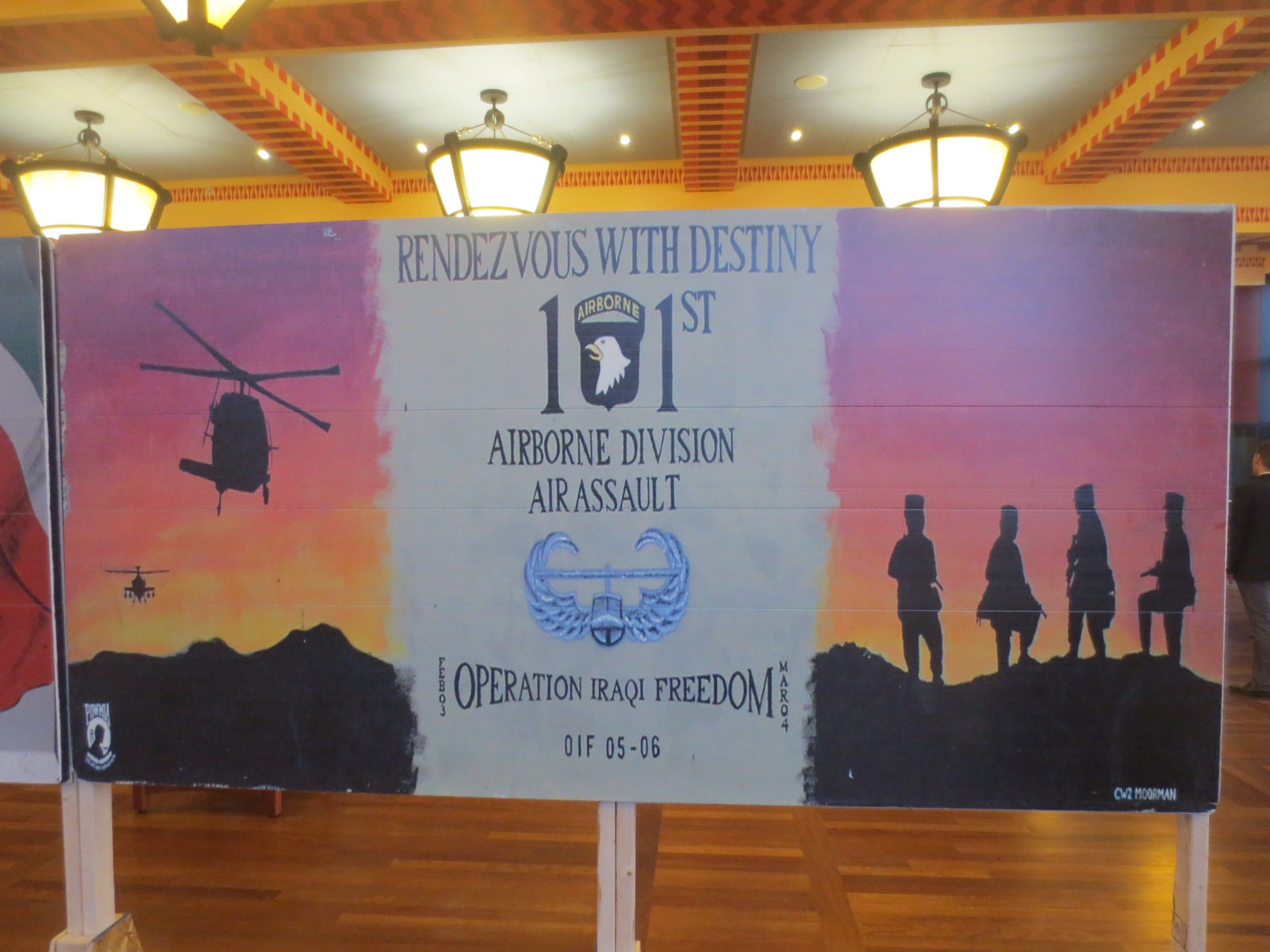
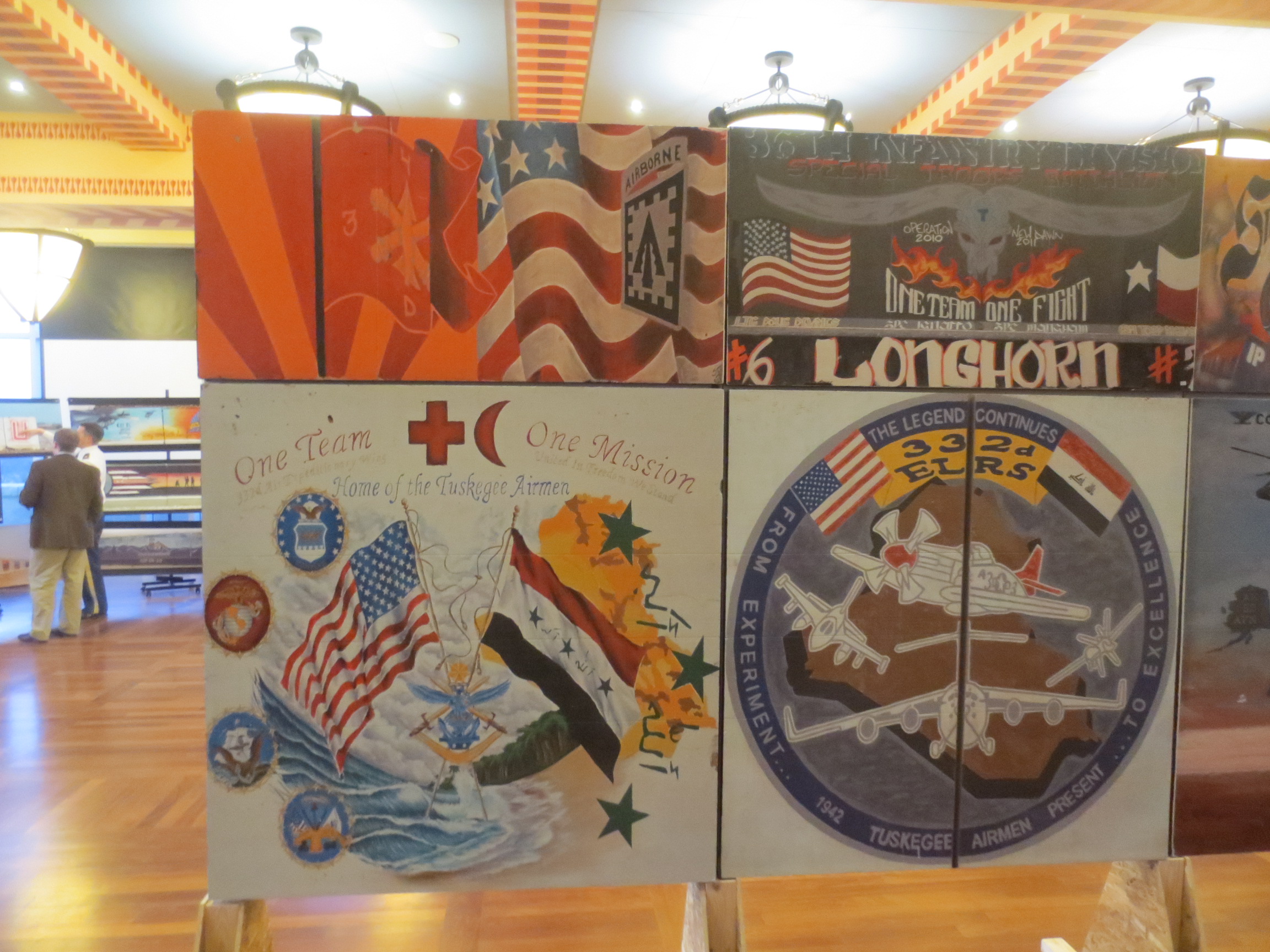
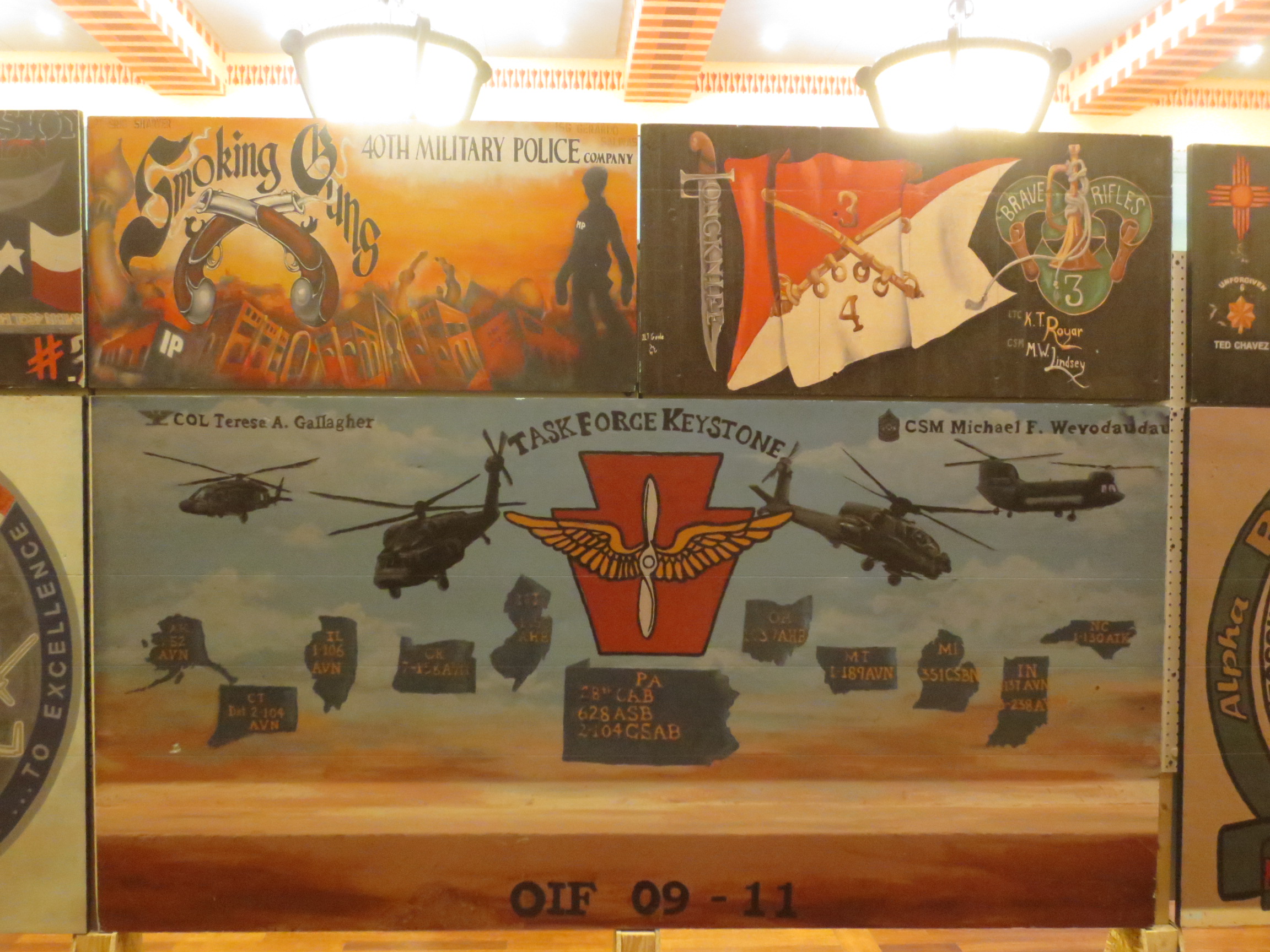
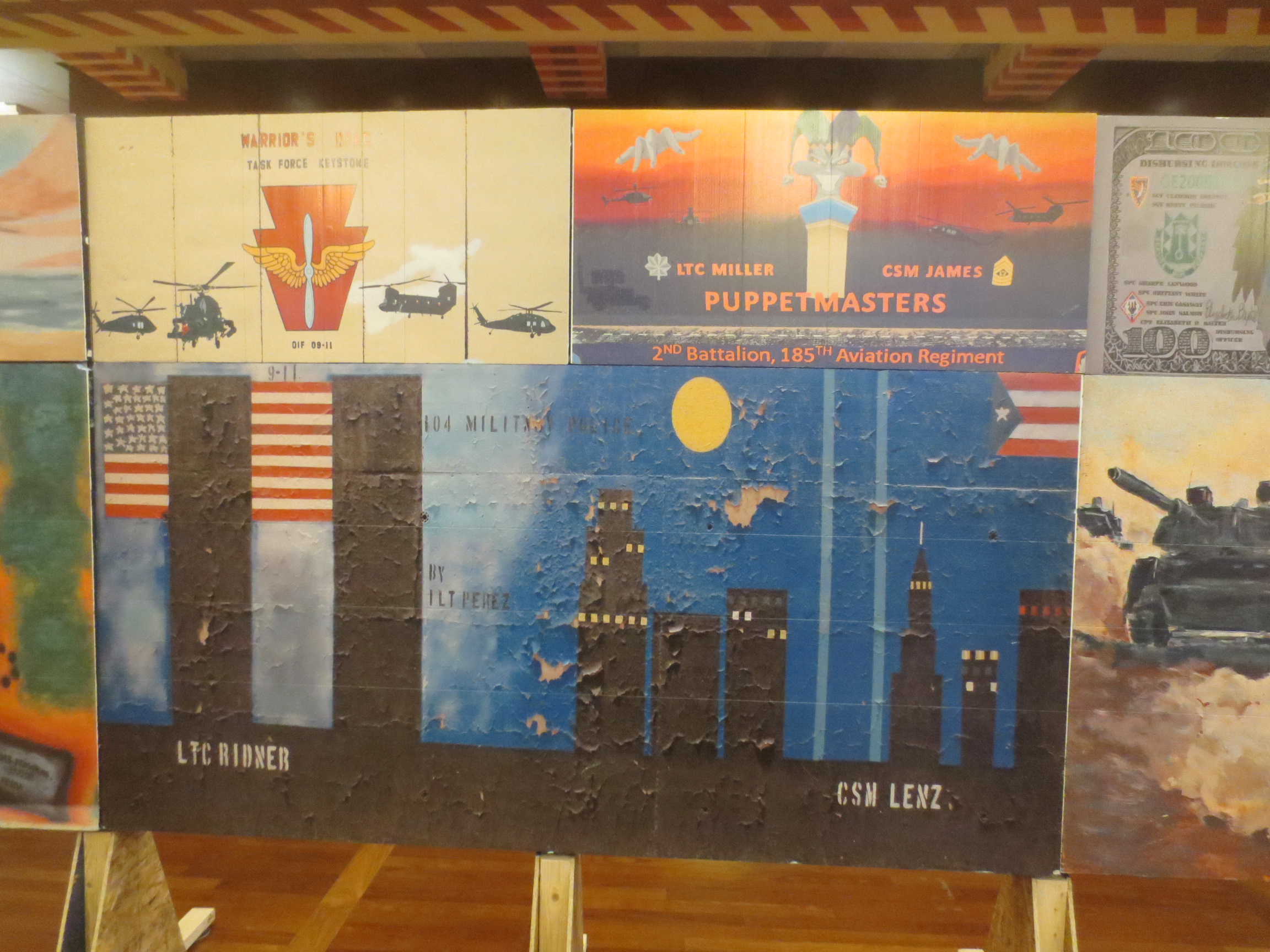
All vets of the contemporary wars have seen unit esprit-de-corps murals painted by service members on the large concrete “T-wall” blast barriers that protect barracks, offices, and sensitive equipment on Iraq and Afghanistan FOBs.  Just about the only splash of color in the waterless surroundings, the murals could be huge—up to 12 feet high and maybe 30 feet wide.  Their messages were never subversive, though as public artworks they straddled the line between unofficial and official.  Representing talent and inspiration bubbling up from artists-in-the-ranks, they were permitted by the chain-of-command only if they glorified unit prowess and pride or honored fallen comrades.  Within that stricture and a fairly limited iconographic range—think flags, screaming eagles, and thunderbolts—the murals demonstrated a remarkable competence, color palette, and imaginative variety.

US Army veteran Jaeson “Doc” Parsons’ idea of a good idea was to take pictures of the murals he saw overseas and mount them on oversize foamboard panels for exhibition to curious American viewers.  Called Graffiti of War, Doc’s project aims to showcase the artistry inherent in soldiering while publicizing concerns about “the invisible wounds of war” and helping connect civilian audiences with the military experience.  GoW features soldier and veteran personal art in addition to the unit murals I write of here, but, for me, it’s the murals that are most eye-catching.  I recently had a chance to view a GoW exhibit and thoroughly enjoyed it.  I asked Doc if I could write about him and GoW and thankfully he agreed, so here I salute his honoring of the artistic impulse as it flickered in the maelstrom of war.

IMG_1338


IMG_1358


IMG_1342

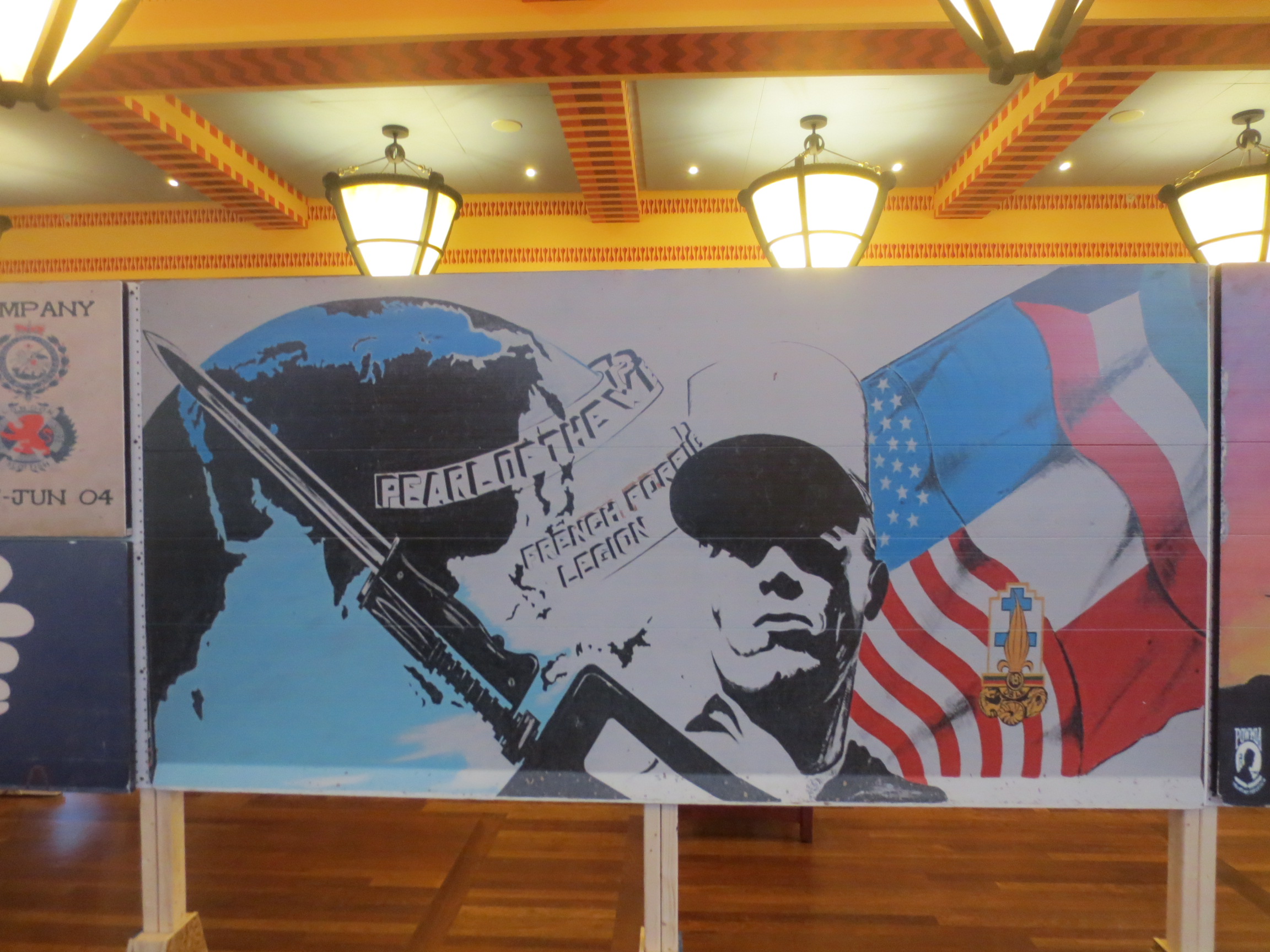
Graffiti of War features artwork from Coalition partners, too, such as this French Foreign Legion mural:

IMG_1325

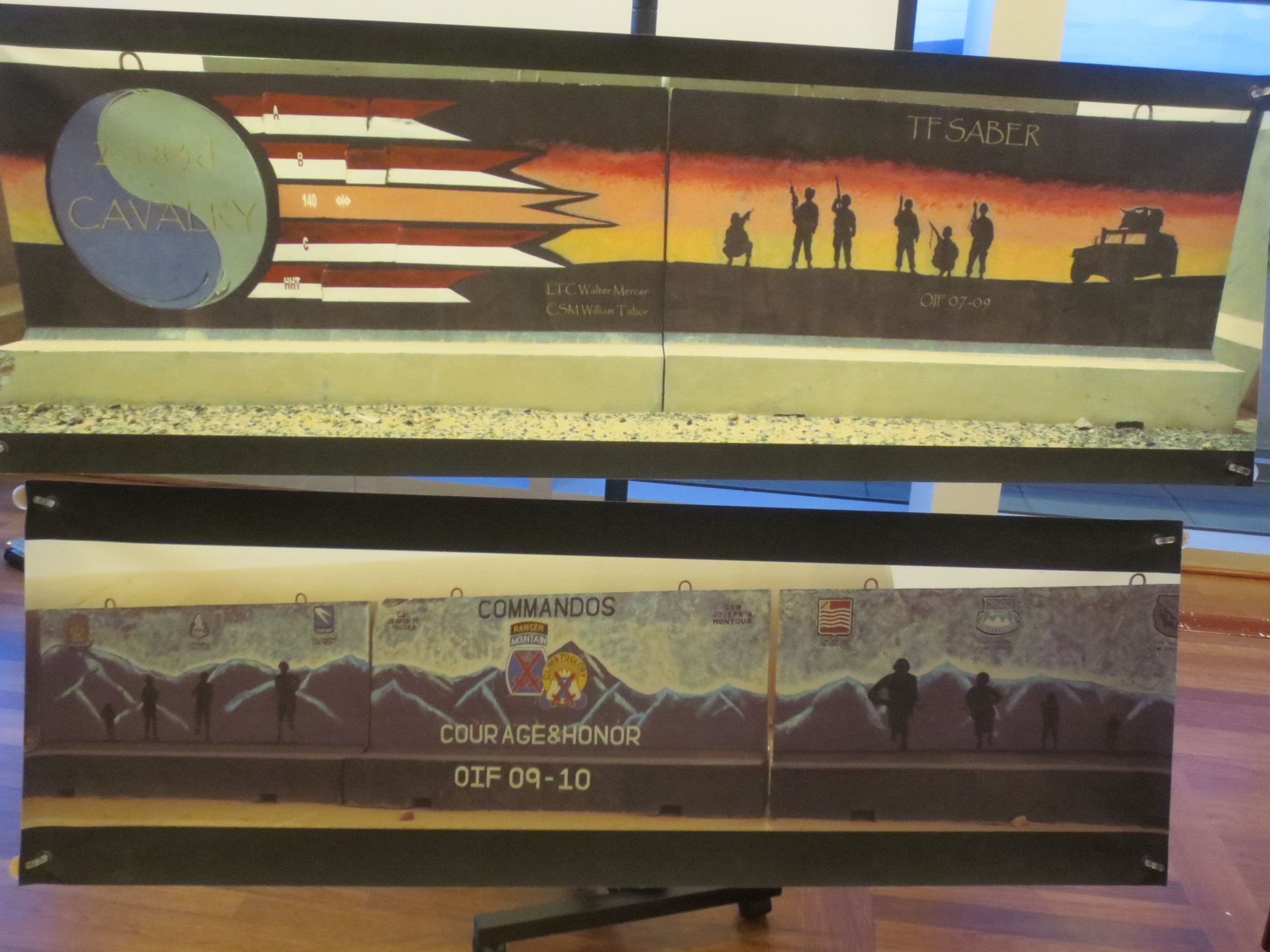
The two stretched canvasses below show unit murals as they appeared on the ground in Iraq.  Note the rebar hoops protruding from the top of the concrete barriers–they allow cranes to lift and emplace the giant T-walls. The things are enormous; the figures in the actual two murals below are darn-near life size.

IMG_1343

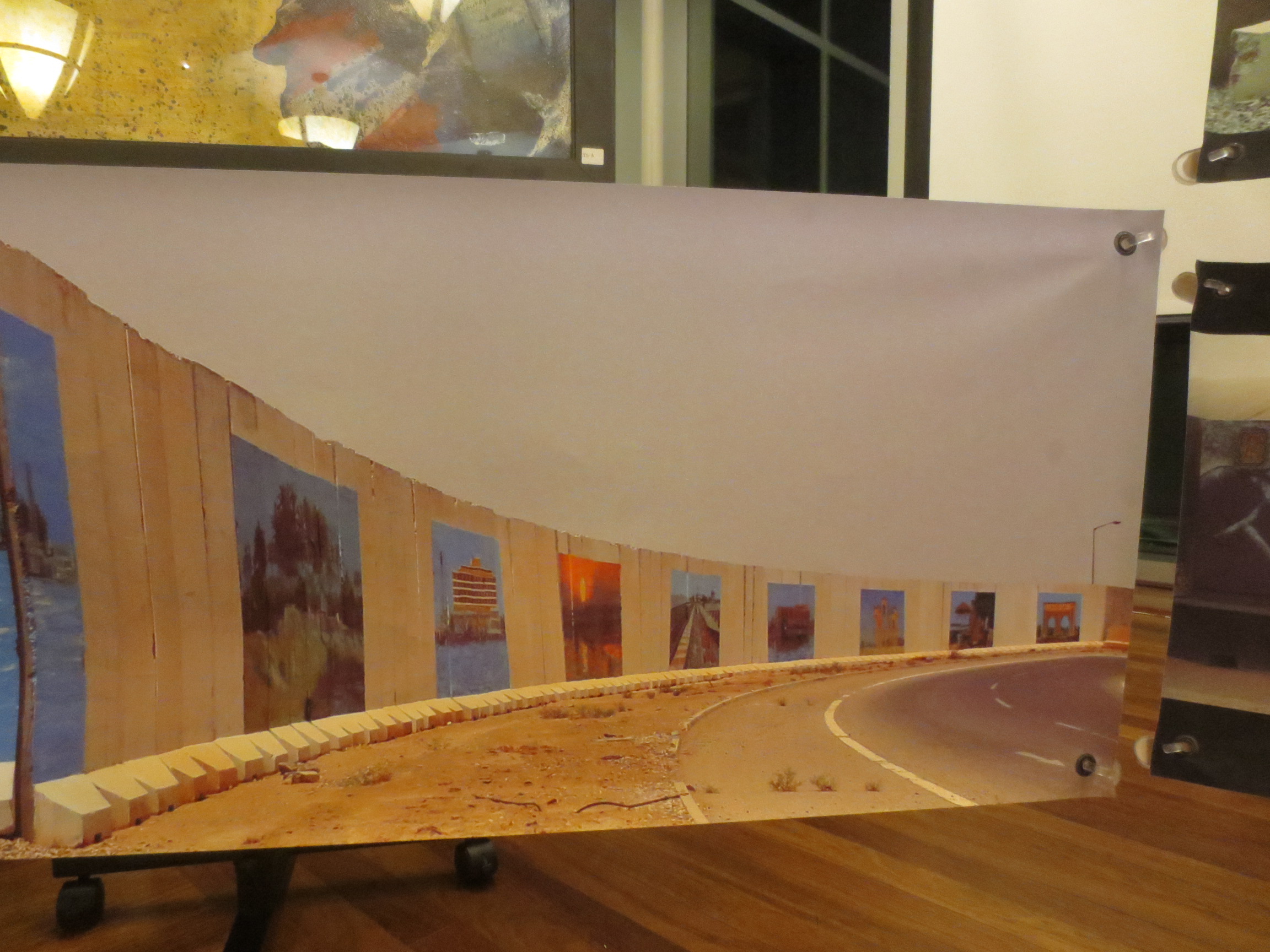
Doc kept an eye out for striking murals painted by Iraqis, too. The first one below shows murals painted on the outside of a US airbase blast wall. The second is a close-up of one of the murals.

IMG_1363

IMG_1410

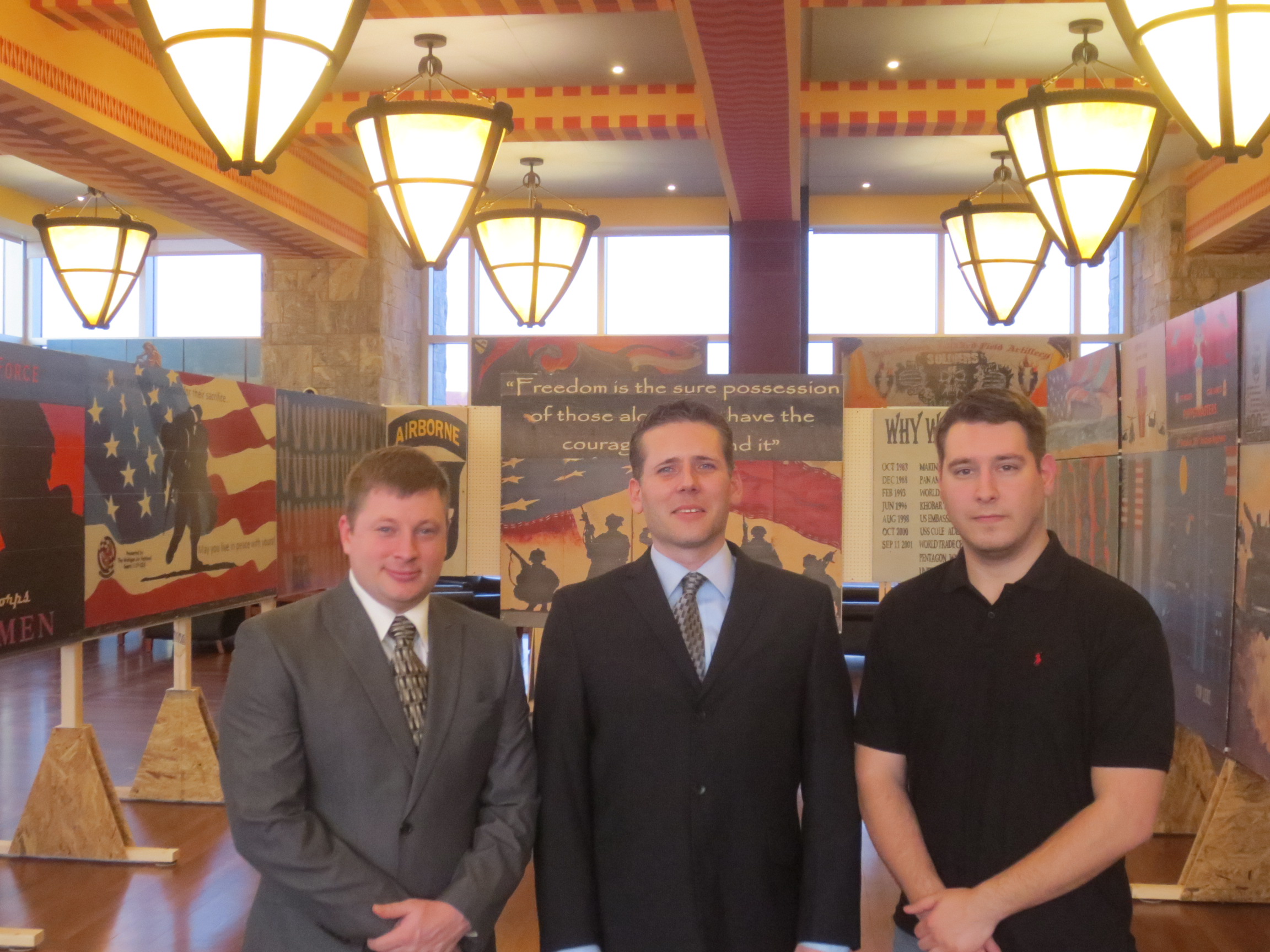
The picture below features Doc flanked by his two assistants, Jeremy Mull (ex-USMC) and Rob Craven (US Army, ex-active duty, now in the National Guard).  Thank you, gentlemen, for what you are doing and good luck in all future endeavors!

IMG_1323

The Graffiti of War exhibition I saw appeared at West Point, where I serve, courtesy of its Creative Arts Project, which is dedicated to showcasing art inspired by the contemporary wars created by service members, veterans, and civilian artists.  A West Point Pointer View online article about Graffiti of War and this year’s “CAP” is here.

Death in Tani: RIP Photojournalist Anja Niedringhaus

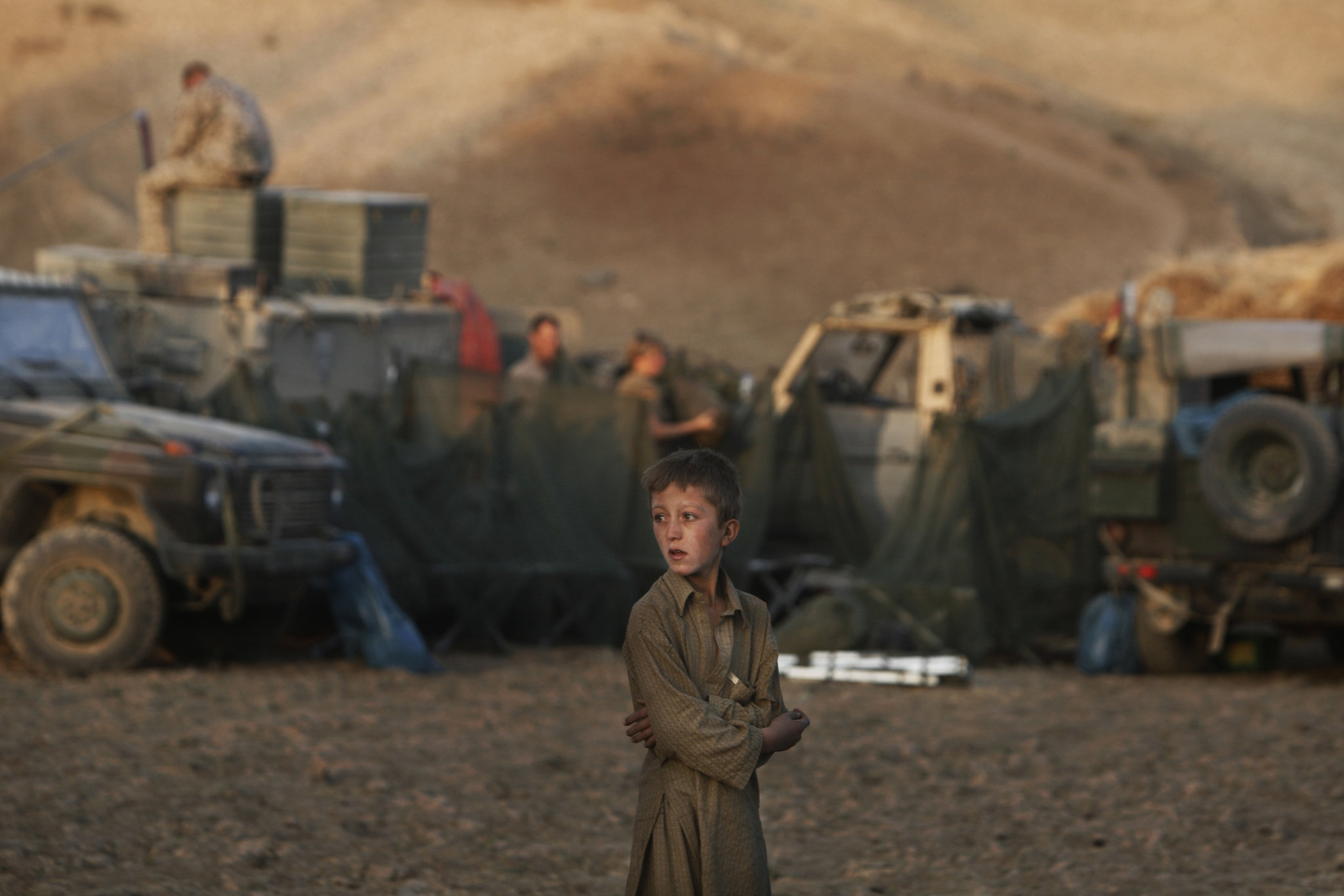
Anja Niedringhaus, An Afghan Boy with German troops, near Kunduz, September 2009
Photograph by Anja Niedringhaus: An Afghan Boy with German troops, near Kunduz, Afghanistan, September 2009

The death last week in Afghanistan of Associated Press photojournalist Anja Niedringhaus came as I was preparing a series of posts on contemporary war photography.  I read about Niedringhaus’s killing by an Afghan National Policeman on the very day I was presenting on war imagery at an academic conference.  Her death at the hands of our nominal allies saddened me and cast a blight on what otherwise seems to have been a successful election in Afghanistan.  Niedringhaus and fellow AP journalist Kathy Gannon, who was wounded in the same shooting that killed Niedringhaus, were in Khowst Province, on the eastern border with Pakistan, precisely to cover the elections.  Khowst interested me, for as most of my readers know that is where I served the majority of my tour in Afghanistan.  Curious where the shooting had taken place, I read farther into the obituaries to learn that Niedringhaus had died while sitting in a parked car outside the police station in a nominally friendly and peaceful district just south of Khowst City.  The district’s name was Tani.

I have been to Tani many times and even wrote about it in a post by the same name in my old blog 15-Month Adventure.  Here’s an excerpt:

“The most evocative of all [local place names] was Tani.  It was just such a pretty name and all our visits there were so pleasant.  As you drove out, on a paved hardball road past some of the more interesting houses in Khowst, the children waved.  Nothing bad ever happened there, or could happen there, it seemed.  The locals were friendly and helpful. The police were orderly and efficient.  Beyond Tani, the hardball gave out, and the IED-infested gravel road rose up toward the deadly mountain passes on the Pakistan border.  But nothing bad could happen in Tani itself.”

Niedringhaus’s killing makes those words foolish, further proof of war’s ability to ruin that which it has touched in ways obvious and in ways we could never anticipate.  RIP Anja Niedringhaus and thank you for your great photographs of Afghanistan and elsewhere.  The upcoming series on war imagery is dedicated to you.  AP’s own obituary, with more photographs of and by Niedringhaus, is here.

Below is a picture of me at the police station in Tani alongside a young ANA lieutenant, an ANA senior officer, and the Afghan National Police station commandant.  I wrote about this photograph in another 15-Month Adventure post called “Orientalism,” where I first conceived of the idea of starting a blog dedicated to war art and literature.

IMG_0765