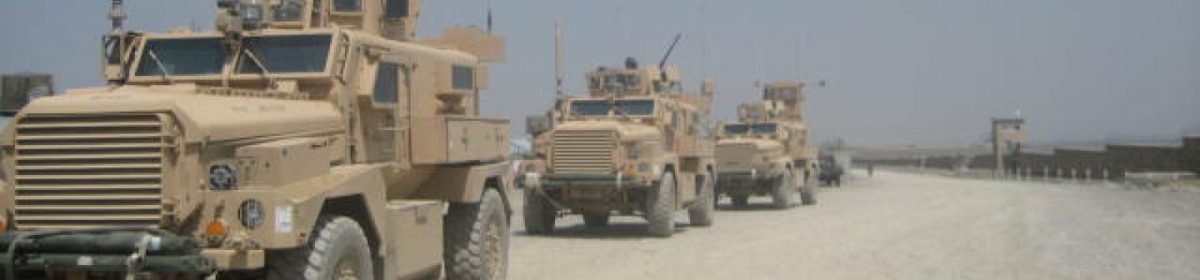
2020 saw the continuing emergence of a vibrant cohort of veteran fiction-writers formed by war in Iraq and Afghanistan. Phil Klay’s Missionaries, Matt Gallagher’s Empire City, and Elliot Ackerman’s Red Dress in Black and White solidified their authors’ positions on the top of the war-writing mountain, as defined by major publishing contracts, critical acclaim in high-profile venues, and substantive ancillary writing opportunities. Odie Lindsey’s Some Go Home and Jessie Goolsby’s Acceleration Hours announced that two more war-writing scene vets were also back in action with something to say. Maximillian Uriarte’s graphic novel Battle Born: Lapus Lazuli did not receive the acclaim or the popularity of his most excellent White Donkey or Terminal Lance cartoons, but riches lie waiting exploration by alert readers. Likewise with Perry O’Brien’s Fire in the Blood, significant, if for nothing else (but not just), because it’s new work by yet-one-more vet-author first launched into print by the seminal 2013 Fire and Forget anthology.
Bob Kornheiser, Crossing the Wire (2004)
Nicholas Kulish, Last One In (2007)
Nadeem Aslam, The Wasted Vigil (2008)
David Zimmerman, The Sandbox (2010)
Helen Benedict, Sand Queen (2011)
Benjamin Buchholz (Army), One Hundred and One Nights (2011)
Siobhan Fallon (Army spouse), You Know When the Men Are Gone (2011)
David Abrams (Army), Fobbit (2012)
Ben Fountain, Billy Lynn’s Long Halftime Walk (2012)
Kevin Powers (Army), The Yellow Birds (2012)
Joydeep Roy-Bhattacharya, The Watch (2012)
Sinan Antoon, The Corpse Washer (2013)
Nadeem Aslam, The Blind Man’s Garden (2013)
Lea Carpenter, Eleven Days (2013)
Masha Hamilton, What Changes Everything (2013)
Hilary Plum, They Dragged Them Through the Streets (2013)
Roxana Robinson, Sparta (2013)
J.K. Rowling (aka Robert Galbraith), The Cuckoo’s Calling (2013)
Katey Schultz, Flashes of War (2013)
Fire and Forget: Short Stories from the Long War, edited by Roy Scranton (Army) and Matt Gallagher (Army) (2013)
Paul Avallone, Tattoo Zoo (2014)
Greg Baxter, The Apartment (2014)
Hassan Blasim, The Corpse Exhibition (2014)
Aaron Gwyn, Wynne’s War (2014)
Cara Hoffman, Be Safe, I Love You (2014)
Atticus Lish (USMC), Preparation for the Next Life (2014)
Phil Klay (USMC), Redeployment (2014)
Michael Pitre (USMC), Fives and Twenty-Fives (2014)
Elliot Ackerman (USMC), Green on Blue (2015)
Eric Bennett, A Big Enough Lie (2015)
Brandon Caro (Navy), Old Silk Road (2015)
Mary “M.L.” Doyle, The Bonding Spell (2015)
Jesse Goolsby (USAF), I’d Walk With My Friends If I Could Find Them (2015)
Carrie Morgan, The Road Back from Broken (2015)
Jonathan Raab (Army), Flight of the Blue Falcon (2015)
John Renehan (Army), The Valley (2015)
Ross Ritchell (Army), The Knife (2015)
Christopher Robinson and Gavin Kovite (Army), War of the Encylopaedists (2015)
Susan Aspley, Granola, MN: Love and War in a Nutty Little Town (2016)
The Road Ahead, Adrian Bonenberger (Army) and Brian Castner (Air Force), eds. (2016)
Matt Gallagher (Army), Youngblood (2016)
Matthew Hefti (Air Force), A Hard and Heavy Thing (2016)
Tom King and Mitch Gervais, The Sheriff of Babylon, vol 1: Bang. Bang. Bang.(2016).
Odie Lindsey (Army), We Come to Our Senses (2016)
Elizabeth Marro, Casualties (2016)
Luke Mogelson, These Heroic, Happy Dead (2016)
Harry Parker, Anatomy of a Soldier (2016)
Scott Pomfret, You Are the One (2016)
Roy Scranton (Army), War Porn (2016)
Whitney Terrell, The Good Lieutenant (2016)
Maximilian Uriarte (USMC), The White Donkey (2016)
David Abrams (Army), Brave Deeds (2017)
Elliot Ackerman (USMC), Dark at the Crossing (2017)
Helen Benedict, Wolf Season (2017)
Caleb Cage (Army), Desert Mementos: Stories of Iraq and Nevada (2017)
Siobhan Fallon (Army spouse), The Confusion of Languages (2017)
Tom King (CIA) and Mitch Gervais, The Sheriff of Babylon, vol. 2: Pow. Pow. Pow. (2017)
Christopher Meeks and Samuel Gonzalez, Jr. (Army), The Chords of War (2017)
Brian Van Reet (Army), Spoils (2017)
Elliot Ackerman (USMC), Waiting for Eden (2018)
Jon Chopan, Veterans Crisis Hotline (2018)
Raymond Hutson, Finding Sergeant Kent (2018)
Kathleen J. McInnis, The Heart of War: Misadventures in the Pentagon (2018)
Will Mackin (Navy), Bring Out the Dog (2018)
Stephen Markley, Ohio (2018)
Ray McPadden (Army), And the Whole Mountain Burned (2018)
Hilary Plum, Strawberry Fields (2018)
Ahmed Saadawi, Frankenstein in Baghdad (2018)
Nico Walker (Army), Cherry (2018)
Adam Kovac (Army), The Surge (2019)
Katey Schultz, Still Come Home (2019)
Amy Waldman, A Door in the Earth (2019)
Brett Allen (Army), Kilroy Was Here (2020)
Phil Klay (USMC), Missionaries (2020)
Travis Klempan (Navy), Have Snakes, Need Birds (2020)
Odie Lindsey (Army), Some Go Home (2020)
Perry O’Brien (Army), Fire in the Blood (2020)
Maximilian Uriarte (USMC), Battle Born: Lapus Lazuli (2020)
Iraq and Afghanistan War Poetry
Juliana Spahr, This Connection of Everyone with Lungs (2005)
Brian Turner (Army), Here, Bullet (2005)
Walt Piatt (Army), Paktika (2006)
Sinan Antoon, The Baghdad Blues (2008)
Frances Richey (Army mother), The Warrior: A Mother’s Story of a Son at War (2008)
Jehanne Dubrow (Navy spouse), Stateside (2010)
Elyse Fenton (Army spouse), Clamor (2010)
Frances Richey (Army mother), Voices of the Guard (2010)
Brian Turner (Army), Phantom Noise (2010)
Allan Gray (Army), Overwatch (2011)
Tom Sleigh, Army Cats (2011)
Colin Halloran (Army), Shortly Thereafter (2012)
Abby E. Murray, Quick Draw: Poems from a Soldier’s Wife (2012)
Jason Poudrier (Army), Red Fields (2012)
Seth Brady Tucker (Army), Mormon Boy (2012)
Paul Wasserman (USAF), Say Again All (2012)
Charles Bondhus, All the Heat We Could Carry (2013)
Stanton S. Coerr (USMC), Rubicon (2013)
Kerry James Evans (Army), Bangalore (2013)
Amalie Flynn (Navy spouse), Wife and War (2013)
Hugh Martin, The Stick Soldiers (2013)
Chuck Rybak, War (2013)
David R. Dixon (USMC), Call in the Air (2014)
Frederick Foote (Navy), Medic Against Bomb: A Doctor’s Poetry of War (2014)
Gerardo Mena (Navy), The Shape of Our Faces No Longer Matters (2014)
Seth Brady Tucker (Army), We Deserve the Gods We Ask For (2014)
Kevin Powers (Army), Letter Composed During a Lull in the Fighting (2014)
Sylvia Bowersox (Army), Triggers (2015)
Randy Brown, aka “Charlie Sherpa” (Army), Welcome to FOB Haiku (2015)
Colin Halloran (Army), Icarian Flux (2015)
Victoria Kelly (spouse), When the Men Go Off to War (2015)
Philip Metres, Sand Opera (2015)
Tom Sleigh, Station Zed (2015)
Washing the Dust from Our Hearts: Poetry and Prose from the Afghan Women Writing Project (2015)
Paul David Adkins (Army), Flying Over Baghdad with Sylvia Plath (2016)
Jonathan Baxter (Army), The Ghosts of Babylon (2016)
Lance B. Brender (Army) and C. Rodney Pattan (Army), In Cadence (2016)
Brock Jones (Army), Cenotaph (2016)
Kim Garcia, Drone (2016)
Nicole Goodwin (Army), Warcries (2016)
Karen Skolfield (Army), Frost in the Low Areas (2016)
Lisa Stice (USMC spouse), Uniform (2016)
Home Front: Jehanne Dubrow’s Stateside, Elyse Fenton’s Clamor, Bryony Doran’s Bulletproof, and Isabel Palmer’s Atmospherics (2016, UK only)
Paul David Adkins (Army), FM 101-5-1 MCRP 5-2A: Operational Terms and Graphics (2017)
Eric Chandler (USAF), Hugging This Rock (2017)
Jehanne Dubrow (Navy spouse), Dots & Dashes (2017)
Elyse Fenton (Army spouse), Sweet Insurgent (2017)
Pamela Hart (Army mother), Mothers Over Nangarhar (2018)
Benjamin Hertwig (Canadian Army), Slow War (2017)
Lynn Marie Houston, Unguarded (2017)
Hugh Martin (Army), In Country (2018)
Shara Lessley (DOD civilian spouse), The Explosive Expert’s Wife (2018)
Abby Murray (Army spouse), How To Be Married After Iraq (2018)
Lisa Stice (USMC spouse), Permanent Change of Station (2018)
Graham Barnhart (Army), The War Makes Everyone Lonely (2019)
Abby E. Murray (Army spouse), Hail and Farewell (2019)
Nomi Stone, Kill Class (2019)
Iraq and Afghanistan War Film
In the Valley of Elah, Paul Haggis, director (2007)
Lions for Lambs, Robert Redford, director (2007)
Battle for Haditha, Nick Broomfield, director (2007)
Body of War, Ellen Spiro and Phil Donahue, directors (2008)
The Hurt Locker, Kathryn Bigelow, director (2008)
Standard Operating Procedures, Errol Morris, director (2008)
Stop-Loss, Kimberly Pierce, director (2008)
Generation Kill, David Simon and Ed Burns, executive producers (HBO) (2008)
The Objective, Daniel Myrick, director (2008)
Brothers, Jim Sheridan, director (2009)
Restrepo, Sebastian Junger, director (2009)
The Messenger, Oren Moverman, director (2009)
Green Zone, Paul Greengrass, director (2010)
Return, Liza Johnson, director (2011)
Zero-Dark-Thirty, Kathryn Bigelow, director (2012)
Lone Survivor, Peter Berg, director (2013)
American Sniper, Clint Eastwood, director (2014)
Korengal, Sebastian Junger, director (2014)
The Last Patrol, Sebastian Junger, director (2014)
Fort Bliss, Claudia Myers, director (2014)
Man Down, Dito Monteil, director (2015)
A War, Tobias Lindholm, director (2015)
Hyena Road, Paul Gross, director (2015)
Billy Lynn’s Long Halftime Walk, Ang Lee, director (2016)
Blood Stripe, Remy Auberjonois, director (2016)
Mine, Fabio Guaglione and Fabio Resinaro, directors (2016)
Neither Heaven Nor Earth, Clement Cogitore, director (2016)
Nobel, Per-Olav Sorensen, director (Netflix) (2016)
War Dogs, Todd Phillips, director (2016)
Whiskey Tango Foxtrot, Glenn Ficarra and John Reque, directors (2016)
Last Flag Flying, Richard Linklater, director (2017)
Megan Leavey, Gabriela Cowperthwaite, director (2017)
Sand Castle, Fernando Coimbra, director (Netflix) (2017)
Thank You For Your Service, Jason Hall, director (2017)
The Wall, Doug Liman, director (2017)
War Machine, David Michod, director (Netflix) (2017)
The Yellow Birds, Alexandre Moors, director (2017)
12 Strong, Nicolai Fuglsig, director (2018)
The Kill Team, Dan Krauss, director (2019)
Official Secrets, Gavin Hood, director (2019)
The Report, Scott C. Burns, director (2019)
The Outpost, Rod Lurie, director (2020)
 Time Now: The Wars in Iraq and Afghanistan in Art, Film, and Literature